Background
The World Health Organization recently reported that climate change is increasing the frequency and intensity of heatwaves globally, making heat stress a growing concern in both urban and rural areas.
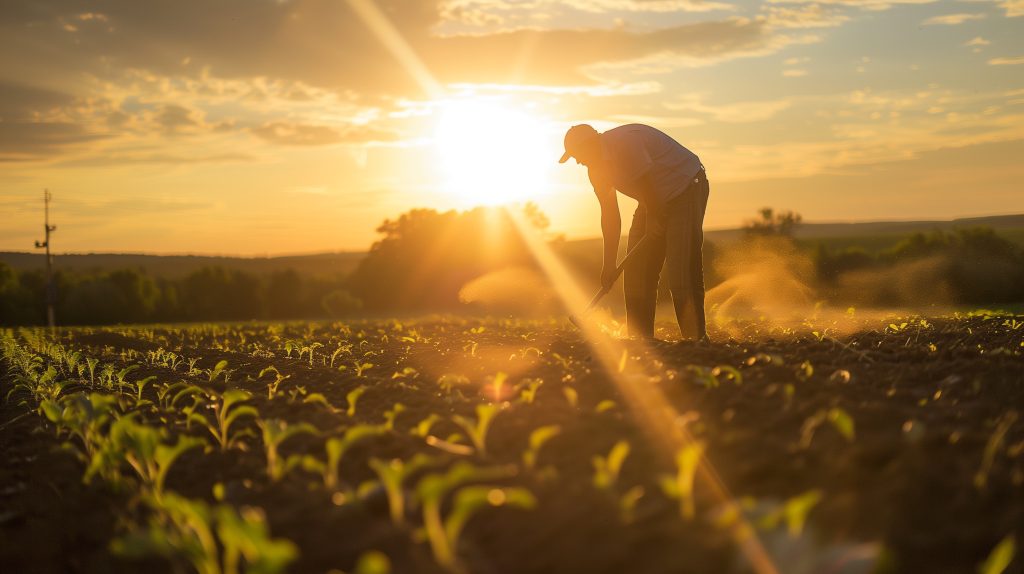
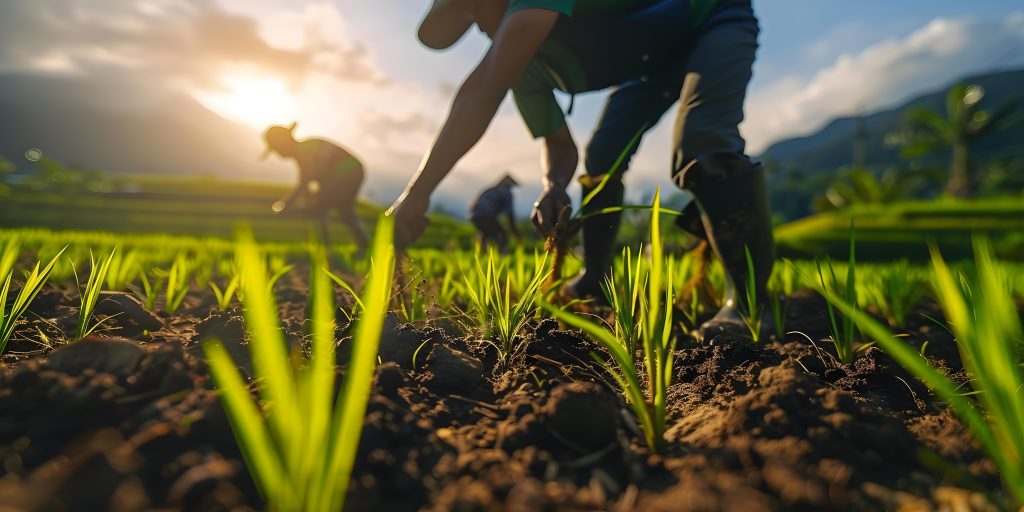
Currently, an estimated 21% of the global population already faces dangerous levels of heat stress during typical workday hours for more than a third of the year. By 2050, without cuts to planet-warming greenhouse gas emissions, that portion is expected to rise to 39%, with outdoor agricultural workers encountering the greatest health-related risks.
In the US, mortality from heat-related illness is 20 times higher for crop workers than for private industry and non-federal government workers. The average US agricultural worker is currently exposed to 21 unsafe working days during the summer growing season.
In the UK, the British Occupational Hygiene Society (BOHS) has called for greater awareness of heat-related risks to agricultural workers, noting that there is often better messaging in the farming sector about protecting cattle from heat than protecting people.
Challenge
According to the Journal of Occupational and Environmental Hygiene, agricultural work is one of the highest-risk US occupations for heat-related illness (HRIs). One study showed how environmental heat stress differs inside tall-growing crop fields compared to their edges. Results highlighted the need to account for crop height and density when designing worker education and heat stress management plans.
Another study in Korea compared Wet Bulb Globe Temperature levels inside and outside greenhouses during summer. Results revealed that greenhouse conditions can be significantly hotter than outside, underscoring the need for stricter safety standards and protective measures for indoor farm work.
The challenge is clear: farmers need simple, reliable ways to collect environmental data so they can make informed, timely decisions.
Solution
Technology is giving farmers powerful tools to anticipate and mitigate heat stress, protecting both workers and productivity. Real-time monitoring of environmental conditions provides farmers with early warnings, enabling action before problems escalate.
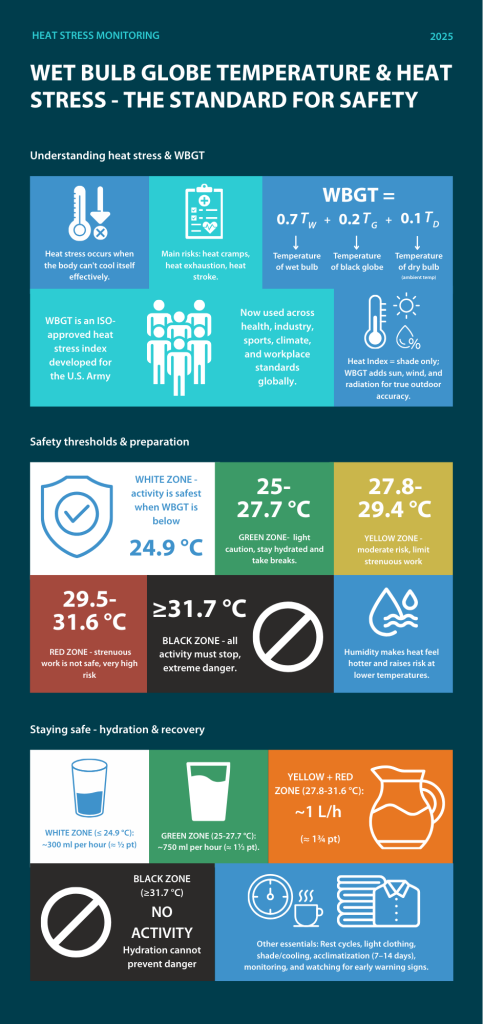
One of the most reliable standards for measuring heat stress is the Wet Bulb Globe Temperature (WBGT). Unlike the common heat index, which only considers temperature and humidity in shaded conditions, WBGT factors in temperature, humidity, sunlight, wind speed, sun angle, and solar radiation. This makes it a far more accurate measure of real-world heat exposure and risk.
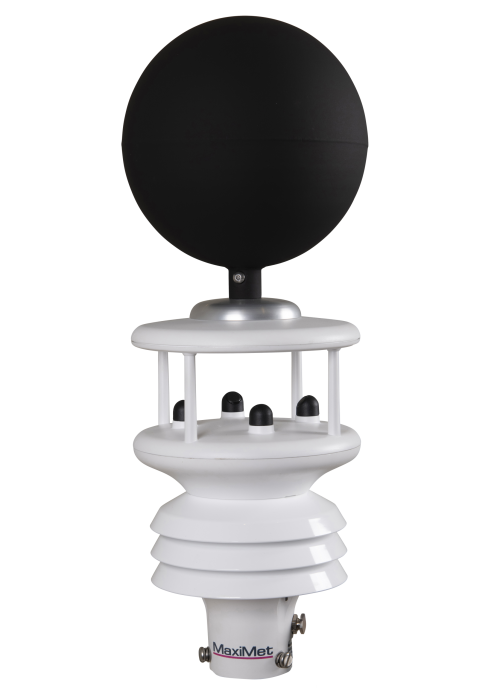
Gill MaxiMet GMX552 integrates heat stress monitoring into a compact, reliable weather station with on-board WBGT calculation. By continuously measuring temperature, humidity, wind speed, and solar radiation, it gives farmers a clear picture of when conditions are putting workers at risk.
Key benefits include:
- Proactive early action to improve workers’ health and safety: Early detection of dangerous heat levels helps employers take early action to prevent heat exhaustion and heat stroke.
- Supports compliance: Many industries have regulations or guidelines requiring heat stress monitoring. With extreme heat events becoming more frequent, the WHO and WMO have highlighted the health impacts of heat exposure on workers. Some governments, such as Singapore’s Ministry of Manpower, have introduced legislation like the Workplace Safety and Health (WSH) Act to reduce risks for outdoor workers.
- Improves performance: Managing heat exposure reduces fatigue, errors, and accidents in both agricultural and other labour-intensive environments.
- Enables timely action: Real-time monitoring allows quick decisions, such as adjusting schedules, increasing breaks, or providing cooling measures.
By integrating real-time monitoring into everyday farm operations, farmers gain the insight needed to act quickly and effectively. From adjusting work schedules to improving cooling strategies, reliable WBGT data empowers better decisions that protect workers and ensure safer, more sustainable practices.
Resources
- Heatwaves – Word Health Organization
- Workers farm at night to avoid intense heat – but it can lead to other negative effects – The Guardian, 11 December 2024
- Heat Stress: A Hazardous Occupational Risk for Vulnerable Workers – Article by Priyadarshini John, Vivekanand Jha
- The Silent Crisis: Heat Stress and the Future of Agriculture in Key Global Regions – Article by Naia Ormaza Zulueta
- Heat stress threatens agricultural workers’ health as U.S. temperatures rise – Environmental Defense Fund, 27 July 2023
- BOHS calling for greater awareness on heat-related risks to agricultural workers – British Occupational Hygiene Society – The Chartered Society for Worker Health Protection, 14 July 2022
- Heat risks in agriculture: Microclimate variability and worker safety in sweet corn and tobacco – Research article in Journal of Occupational and Environmental Hygiene by Ryan Edwards, Noel Lanier, Jo Anne G. Balanay, & Elizabeth Mizelle
- Evaluation of heat stress levels inside greenhouses during summer in Korea – Research article by Wongeon Jung, Hyocher Kim