GILL INSTRUMENTS: TRUSTED GLOBALLY IN METEOROLOGICAL SENSING
Main Menu


Rainfall measurement shouldn’t rely on 50-year-old mechanics.
TruMet PW100 is an infrared optical rain gauge. It replaces tipping buckets with a solid-state, high-precision optical system designed for today’s rainfall patterns: heavier bursts, longer extremes, and tighter reporting demands.
Whether you manage national networks, critical infrastructure, renewables, flood modelling, or smart-city systems, the PW100 delivers what older gauges can’t – accuracy in the extremes, reliability without moving parts, and the freedom from continuous maintenance cycles.
National weather services and infrastructure operators around the world are now shifting from “acceptable error” to “no room for doubt”.
Your network shouldn’t depend on instruments that work until rainfall becomes interesting.
Our TruMet PW100 gives weather service agencies, integrators, and infrastructure operators a modern, low-maintenance alternative. Designed and built for accuracy, durability, and high-frequency reporting.
A modern optical rain gauge built for accuracy and uptime
TruMet PW100 is a solid-state, optical rainfall sensor designed to replace the limitations of tipping buckets with a high-precision, low-maintenance alternative.


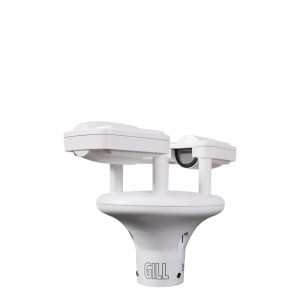
Dedicated rainfall sensor. Add to existing systems or replace failing tipping buckets.

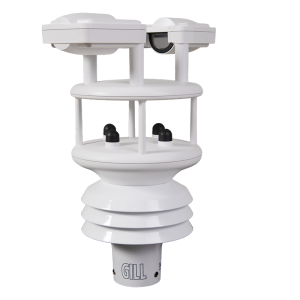
Full environmental monitoring. Six sensors, one station, complete weather data.
Discover how TruMet PW100 can modernise your operation.
| Requirement | Tipping Bucket | Gill Optical Rain Gauge |
|---|---|---|
| Moving parts | ❌ Yes | ✅ None |
| Maintenance burden | ❌ High | ✅ Near zero |
| Clogging | ❌ Common | ✅ Rare |
| Lifetime cost | ❌ High (service-heavy) | ✅ Low (minimal upkeep) |
| Deployment speed | ❌ Slow (levelling, calibration) | ✅ Fast (plug-and-measure) |
Complete technical specifications, performance data, and integration details.
Rainfall is no longer a “background metric.” It’s a core input to critical decisions.
When rainfall intensity spikes, the data must be right. Gill’s present weather sensor delivers accurate, real-time rainfall information that enables safer decisions and reduces downstream costs.
Low-maintenance operation
No buckets. No bearings. No recalibration cycles. Just consistent data – every minute, every storm.
Long-term cost efficiency
Cuts ongoing cost through zero moving parts, no recalibration, no clogging-related callouts, longer service intervals, and Faster field deployment.
Easy network integration
Designed with tipping bucket type output to be a direct replacement: No complex programming, minimal amount of power to the sensor, up and running in minutes.
No moving parts means fewer failures, fewer interventions, and fewer gaps in your rainfall data.
Operators report significant lower operational expenditure when switching from tipping buckets to solid-state alternatives.
Fewer errors → better flood forecasting, hydrological modelling, and environmental analysis.
From legacy loggers to modern cloud platforms, our ORG fits.