WindSonic provides key wind data to the most powerful tidal turbine in the world

119622396 wind1

The tidal-powered turbine generates power from fast-flowing tidal waters off Orkney, providing clean energy from a predictable, renewable resource. The off-shore turbine is connected by subsea cable to the European Marine Energy Centre (EMEC) and the onshore electricity network. It has been designed to meet the annual electricity demand of 2,000 homes for the next 15 years. WindSonic is one of the sensors on-board and provides highly accurate and reliable real-time wind data.

Read the full story here: https://www.bbc.co.uk/news/uk-scotland-north-east-orkney-shetland-57991351


119622396 wind1

                                                                                                                   Image source: BBC News/Orbital Marine Power 

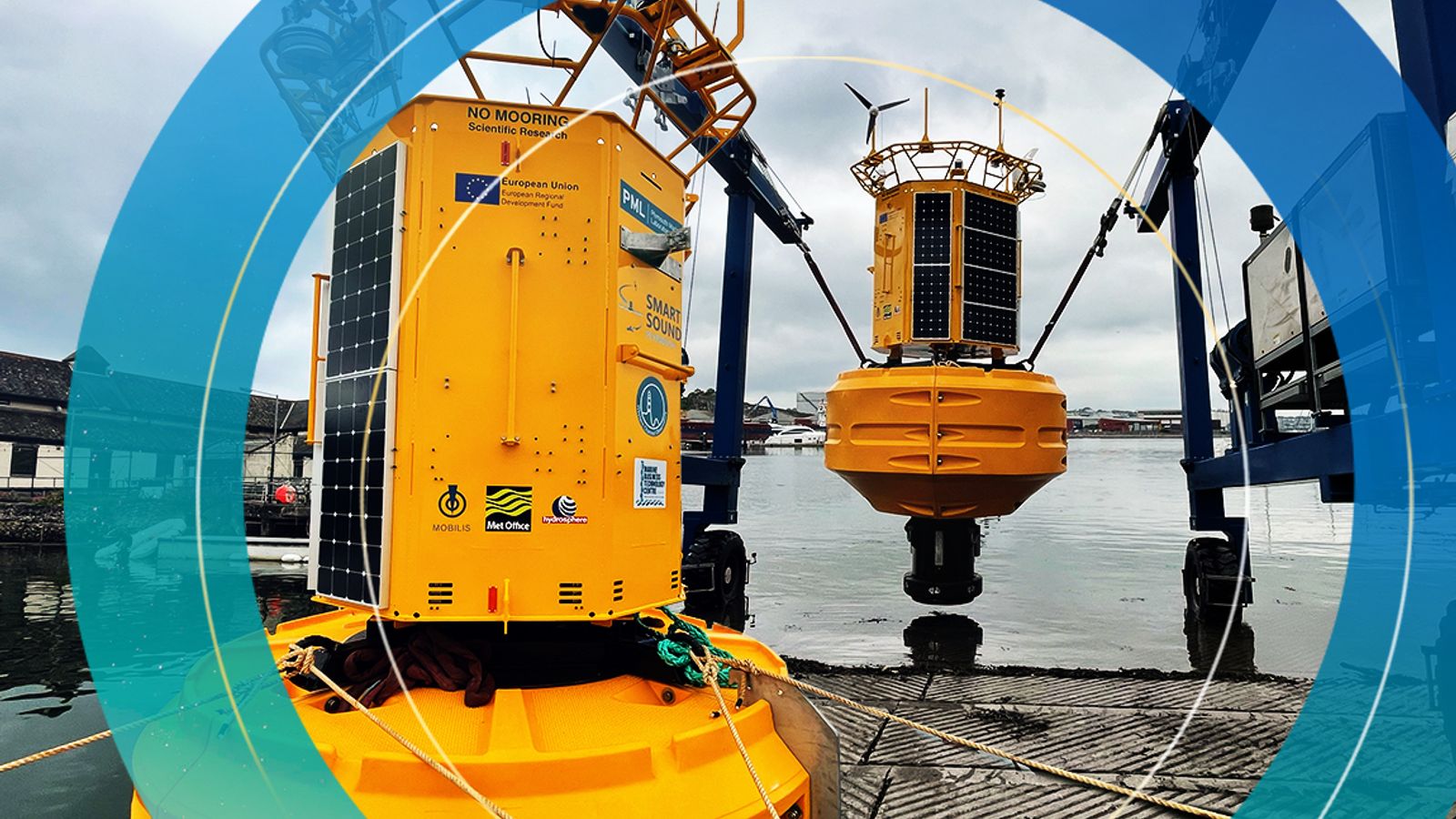
WindSonic providing precise local wind measurements for the most advanced autonomous buoy ever developed in the UK

Screenshot 2022 05 16 143412
Image credit: sky.com

Exciting article below about the advanced autonomous buoy off Plymouth, measuring key indicators for climate research. It’s being launched by Plymouth Marine Laboratory and is packed with sensors and we’re very pleased see our Gill WindSonic, ultrasonic wind speed and direction sensor amongst them.

https://news.sky.com/story/climate-change-one-of-a-kind-research-buoy-launched-off-plymouth-coast-12344865

# #scienceandenvironment #weatherdata #autonomousbuoy

Gill Instruments onboard with the Mayflower Autonomous Ship

mas ship

Accurate weather measurement for a fully-autonomous, AI-powered marine research vessel.

Launching from Plymouth, UK on 16 September 2020, the Mayflower will travel to Plymouth, Massachusetts, after spending six months gathering data about the state of the ocean. You can follow the full journey on the Promare and IBM’s interactive website, https://mas400.com/.

The Mayflower Autonomous Ship (MAS) is a grass roots initiative led by marine research non-profit ProMare with support from IBM and partners which include Gill Instruments.

Gill instruments provided a Maximet GMX500 which is able to measure multiple parameters including wind speed and direction, temperature, humidity, pressure and a GPS option.

GMX500 offers an extremely compact, robust and lightweight design as well as providing the accuracy required by scientists for measuring local weather parameters in the most demanding environments such as this. Read more on our Maximet range.


Gill Instruments are keen to get involved with projects supporting global sustainability and understanding climate change, so get in touch so we can discuss your requirements.

What Solar Professionals need to know: Use site-level weather data to solve power loss problems.

socialmediabanner outlines 1
Typical utility-scale PV installation.

An improved power forecast can be achieved when performance analysis of a PV plant starts to account for losses due to localised weather conditions. Elements such as air temperature, wind speed, humidity and rainfall are all known to affect solar plant efficiency.

Our offer: 
National or regional weather predictions cannot be solely relied on for site specific solar tracking power forecasts or high wind safety settings. We offer a MetPak Pro weather platform and MaxiMet compact weather stations for monitoring in real-time the weather parameters that are known to affect PV performance.

Next week we will be exhibiting at Solar Power international 2019, join us on our booth #5450 from 23-26th September 2019.  Dan Armistead, our Technical Support Engineer and our Business Development Managers, John Crilly and Shaun Mason, will be presenting our MetPak Pro multi-sensor weather platform,  MaxiMet GMX541, along with ultrasonic wind measurement products and accessories.

If you are not able to make the show or would like to find out more about our solar product range beforehand, visit our new solar microsite gillinstruments.com/solar

Dan Armistead (left), Shaun Mason (middle) and John Crilly (right).