





PRODUCTS
Wind, weather, level, position, wear. Measured without the parts that fail.
From ultrasonic wind sensors and optical rainfall measurement to liquid level, position, oil condition and gas engine control, Gill’s products cover a broad measurement landscape.
Wind on a mast, level in a racing car and position inside machinery may all be straightforward measurements. What surrounds the measurement can make the engineering considerably more demanding. That is why the technology and specification matter.
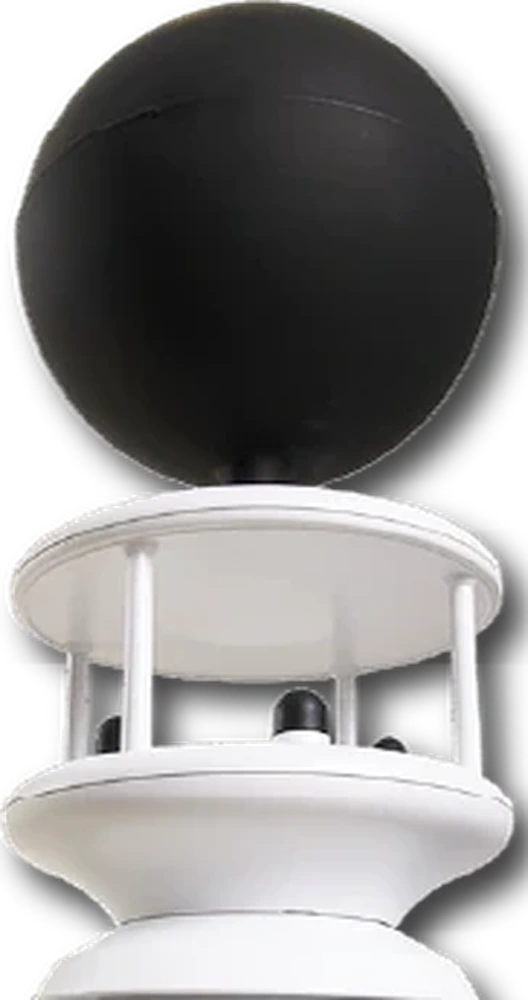
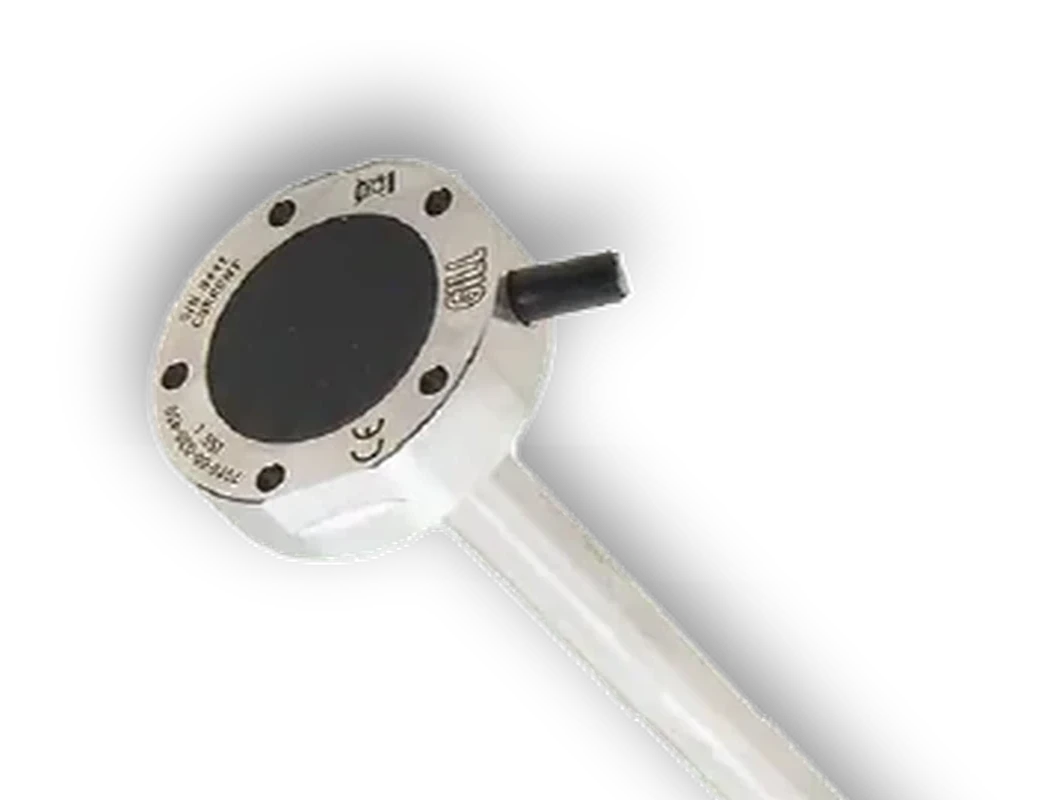
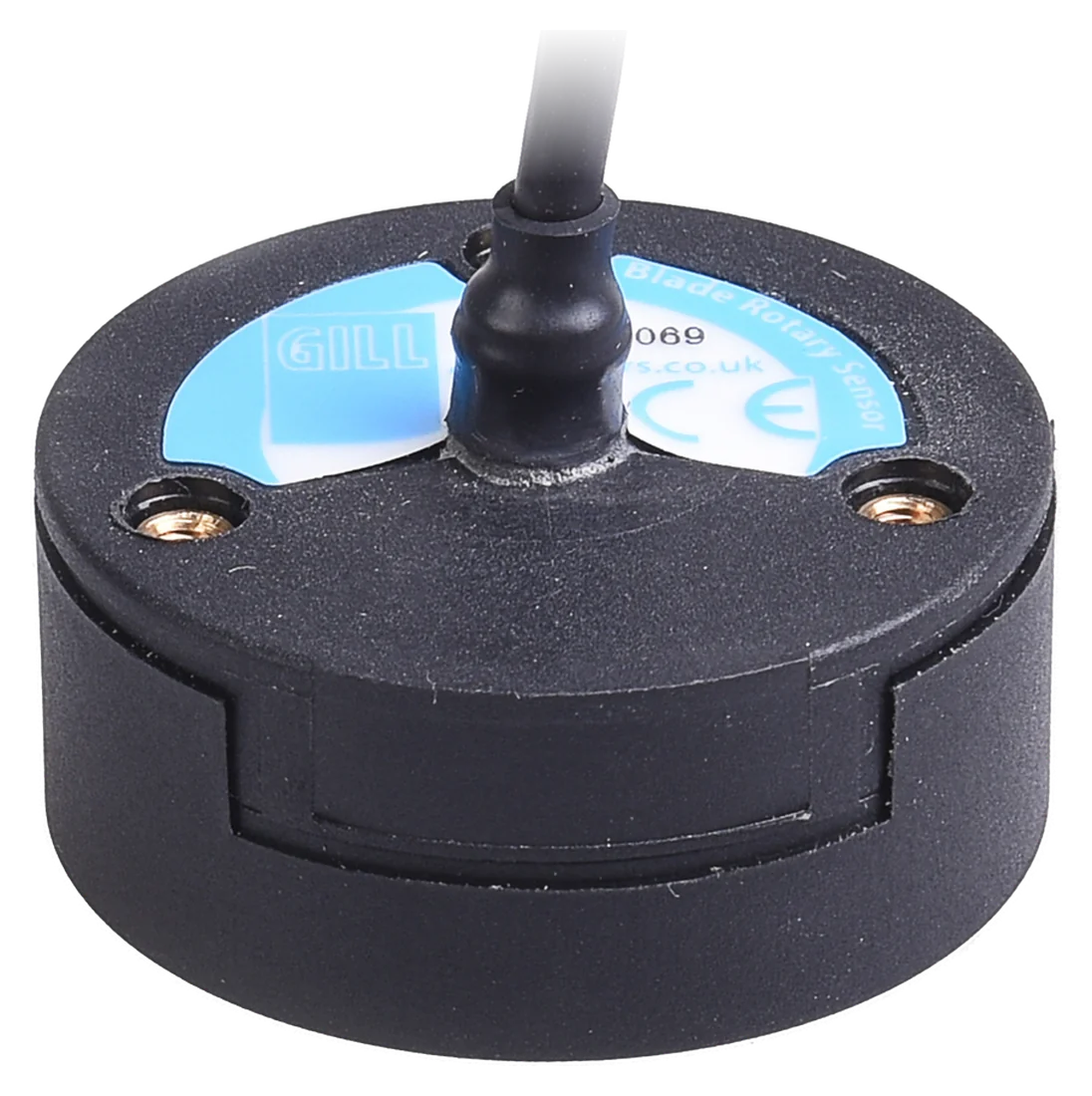
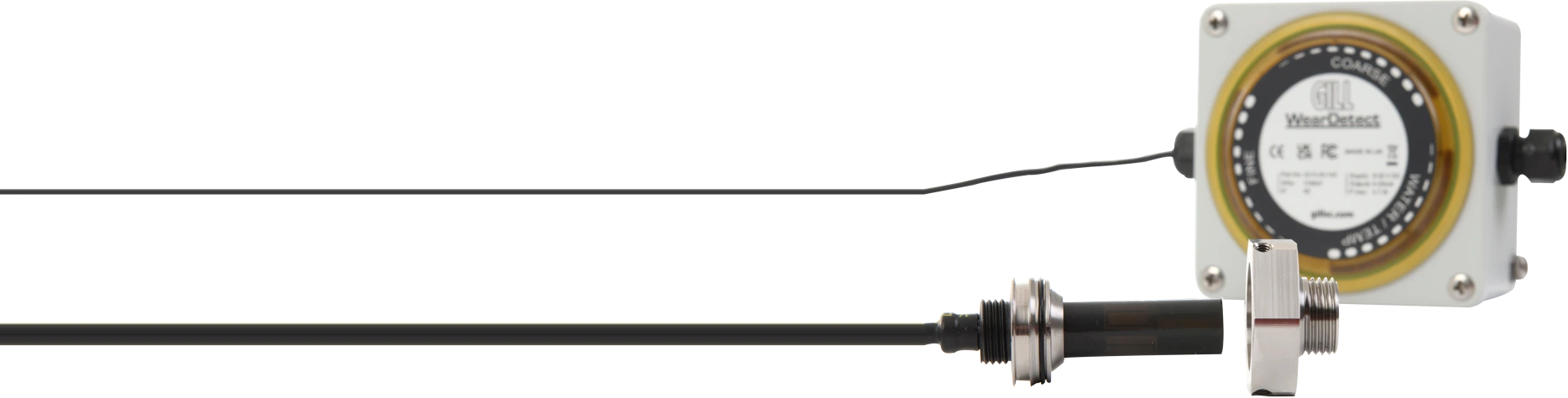
Fewer moving partsUltrasonic, optical, capacitive and inductive sensing
Made in LymingtonEngineering, production and testing on one site
Supported after purchaseDocumentation, software, service and calibration
Beyond the catalogueAdaptation and new measurement technology from R&D
What we make
A lot can depend on one small instrument
Gill's product range spans wind and weather, rainfall, liquid level, position, condition monitoring and engine control. Each exists to answer a different measurement requirement, often in environments where getting the reading wrong has consequences.
Two products can measure the same thing and still be completely different choices once you consider where they will operate, how they will be installed, what they need to output and what happens when they cannot be easily accessed.
Ultrasonic
Wind measured with ultrasonic signals, with nothing rotating in the measurement.
Optical
Rainfall measured with infrared light instead of a tipping mechanism.
Capacitive
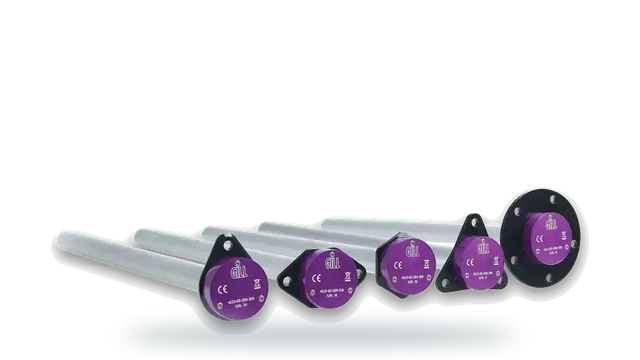
Continuous liquid level from sealed, solid-state sensors with no moving parts.
Inductive
Linear and rotary position measured without contact with the mechanism.
The product families
Eight families, from wind to gas engines
Each family exists to answer a different measurement requirement. Every family page carries the ranges, the selection guidance and the documentation for its products.
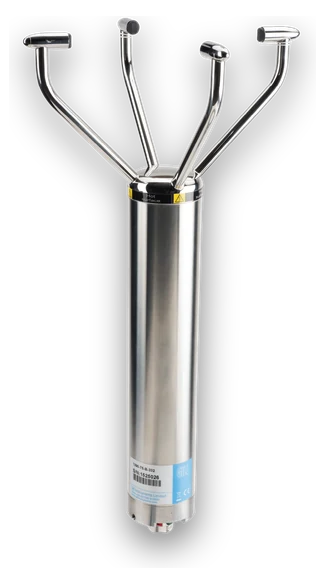
Wind sensors
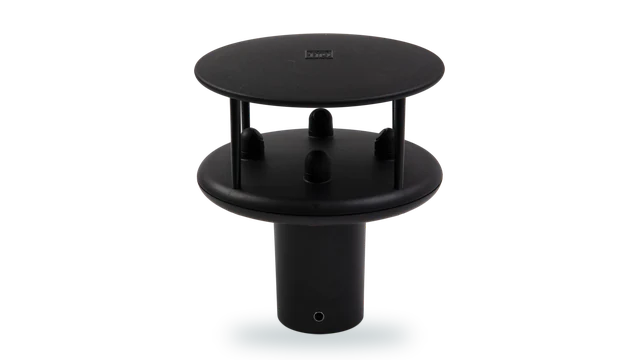
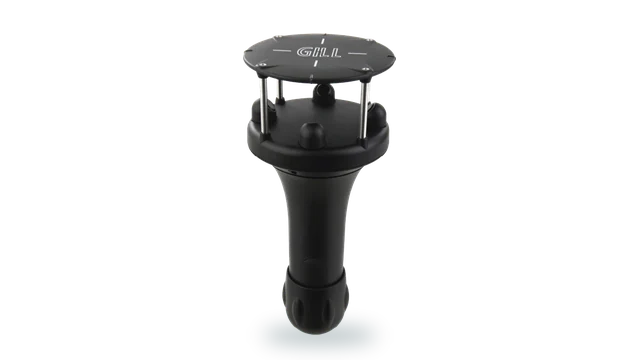
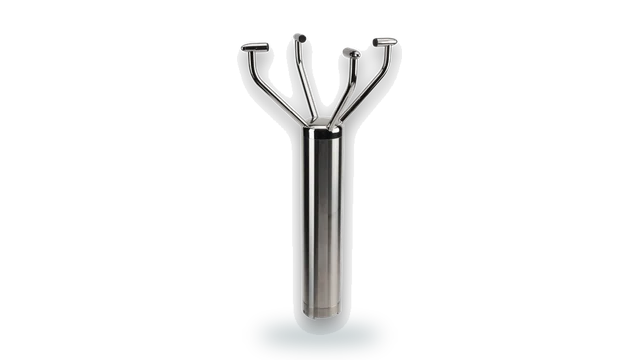
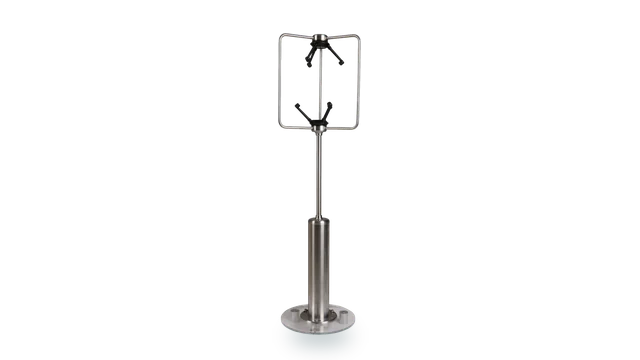
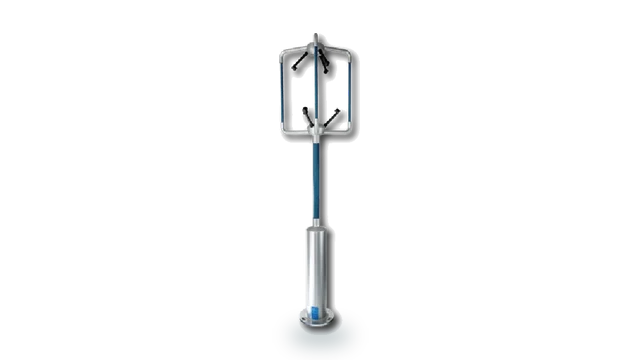
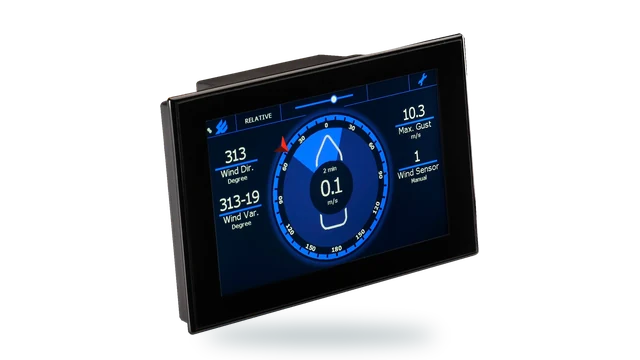
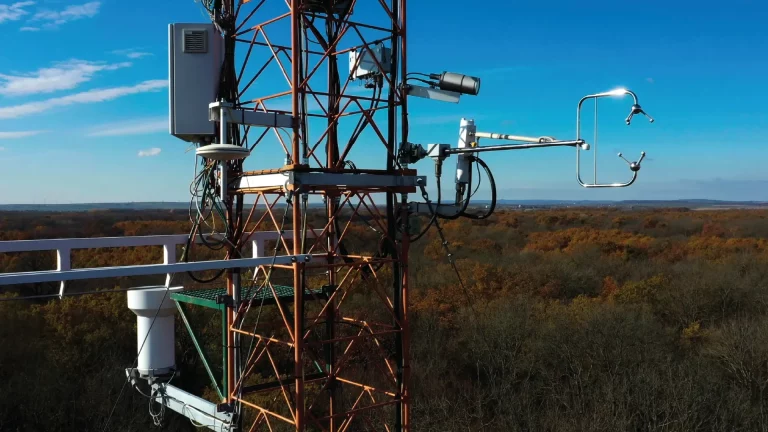
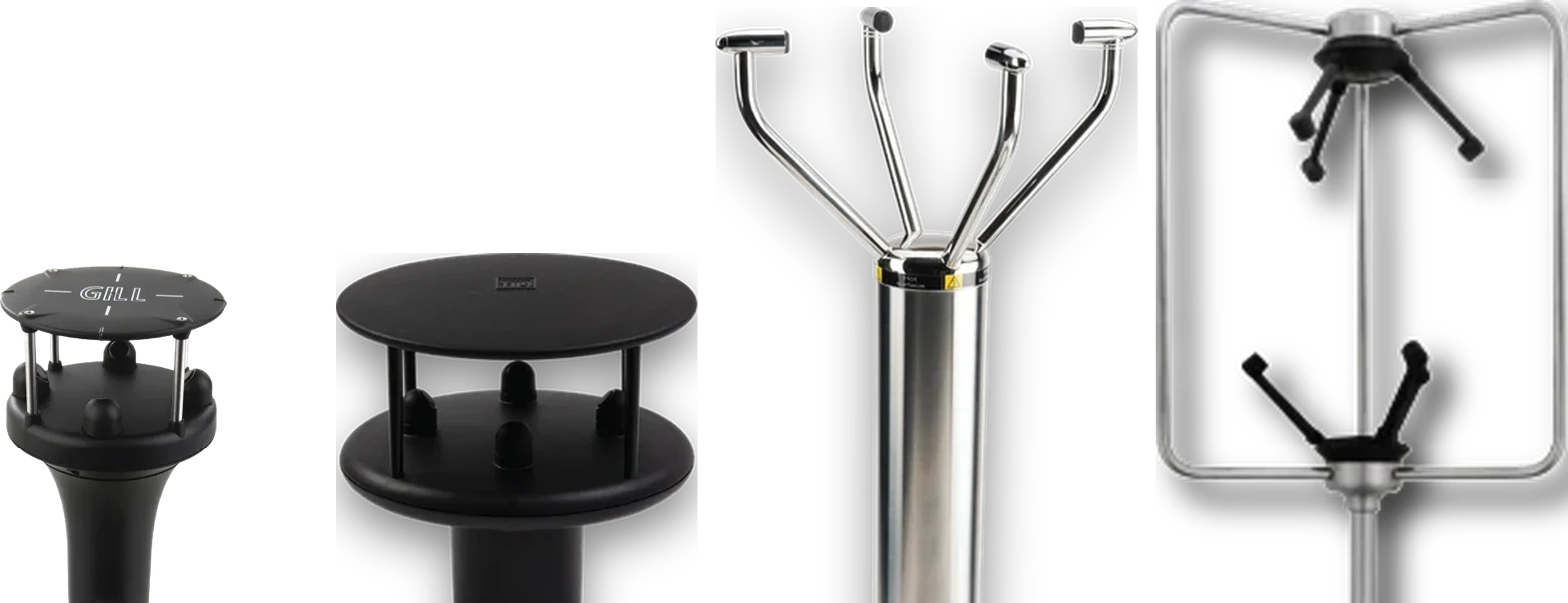
Ultrasonic wind measurement for meteorology, marine and offshore, renewable energy, aviation, research and OEM applications, from compact 2-axis to high-speed 3-axis.
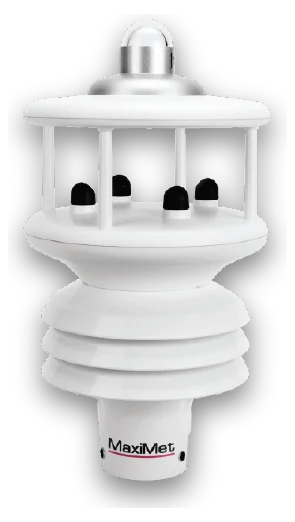
Weather stations
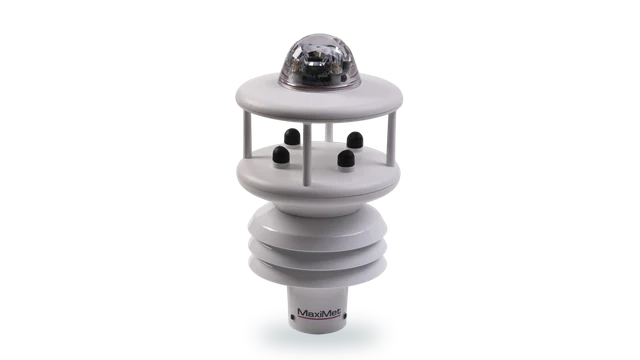
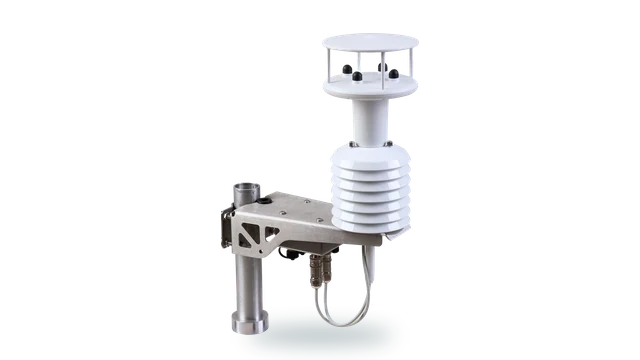
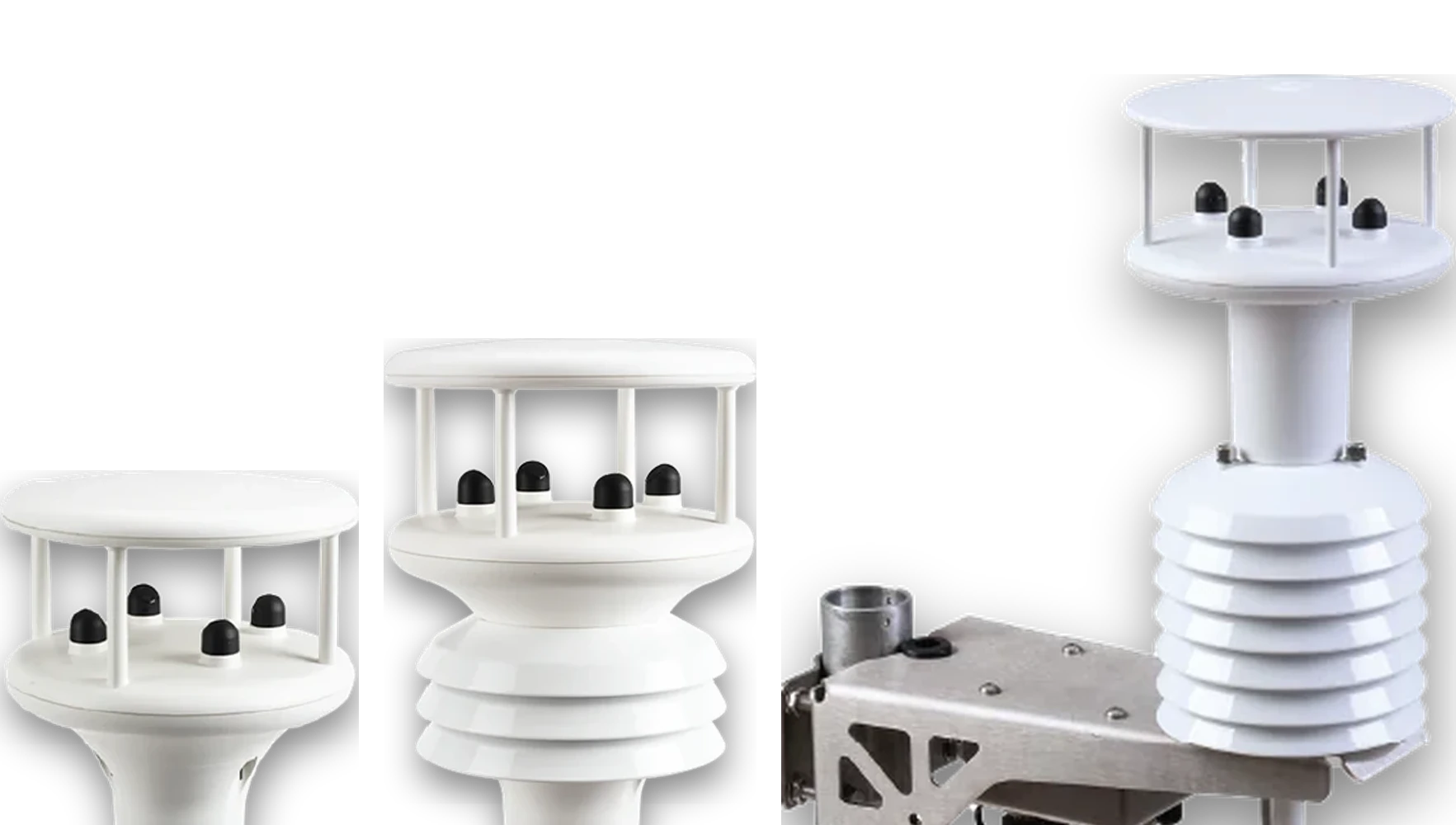
Compact stations that measure several parameters in one instrument, alongside separable stations where conditions need measuring at different locations or heights.
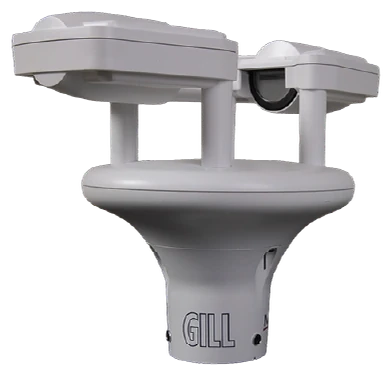
Rainfall
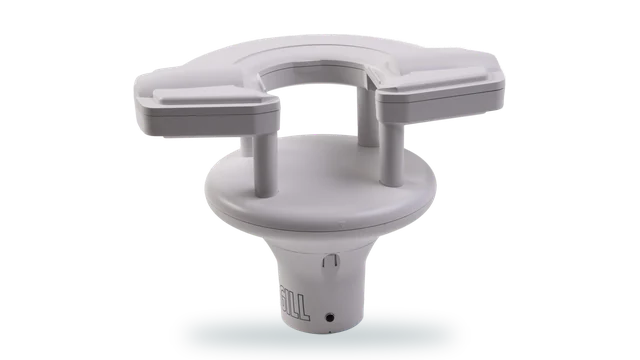
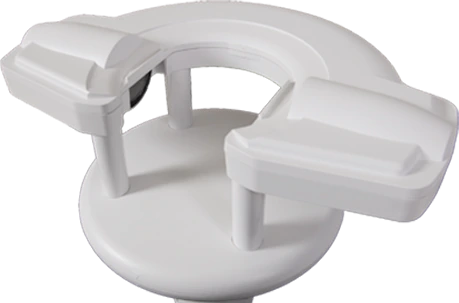
Optical rainfall measurement for applications where a conventional mechanical gauge introduces unwanted moving components.
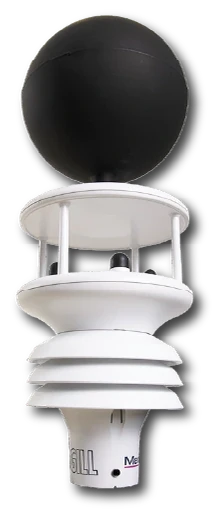
Heat stress
WBGT and Thermal Work Limit from one compact weather station, for worker safety in the heat.
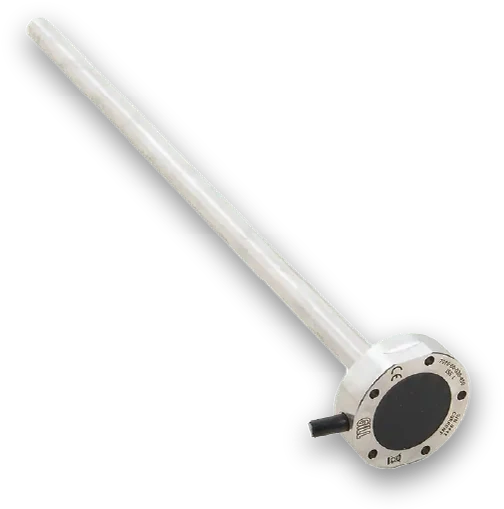
Level sensors
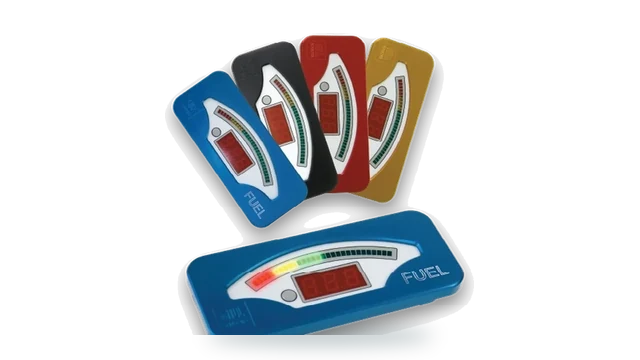
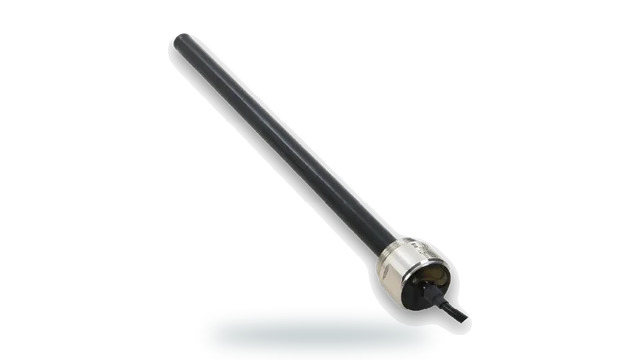
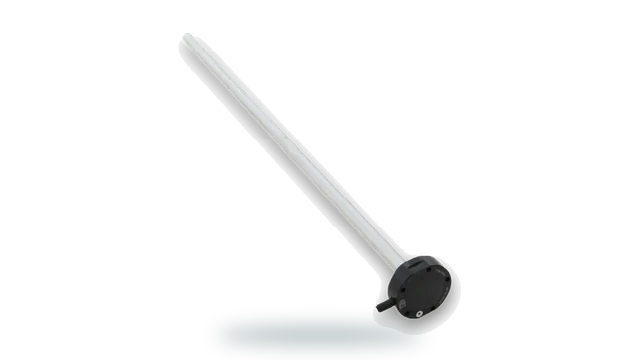
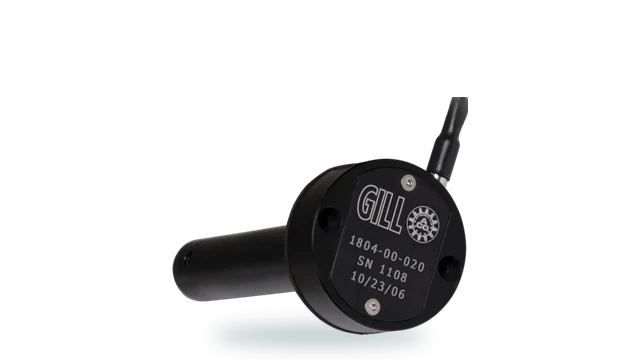
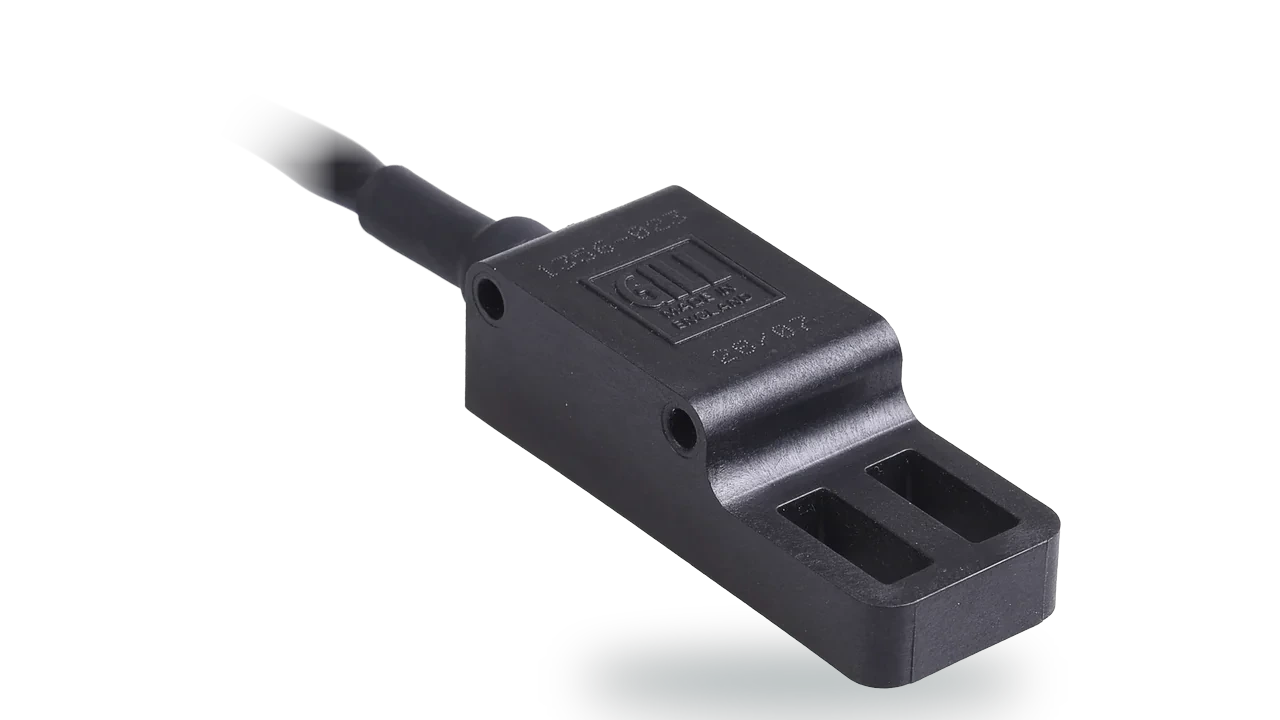
Capacitive level sensors for fuel, oil, coolant, water and other fluids, for demanding environments, restricted spaces and mobile applications.
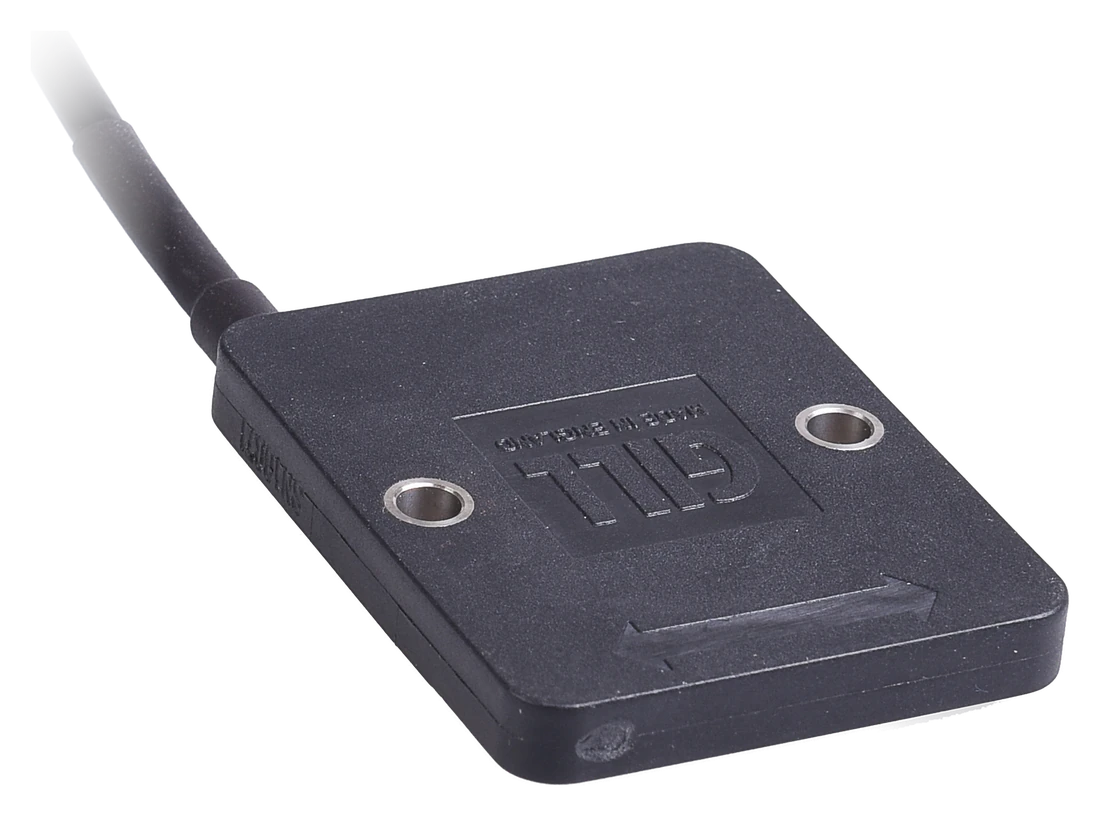
Position sensors
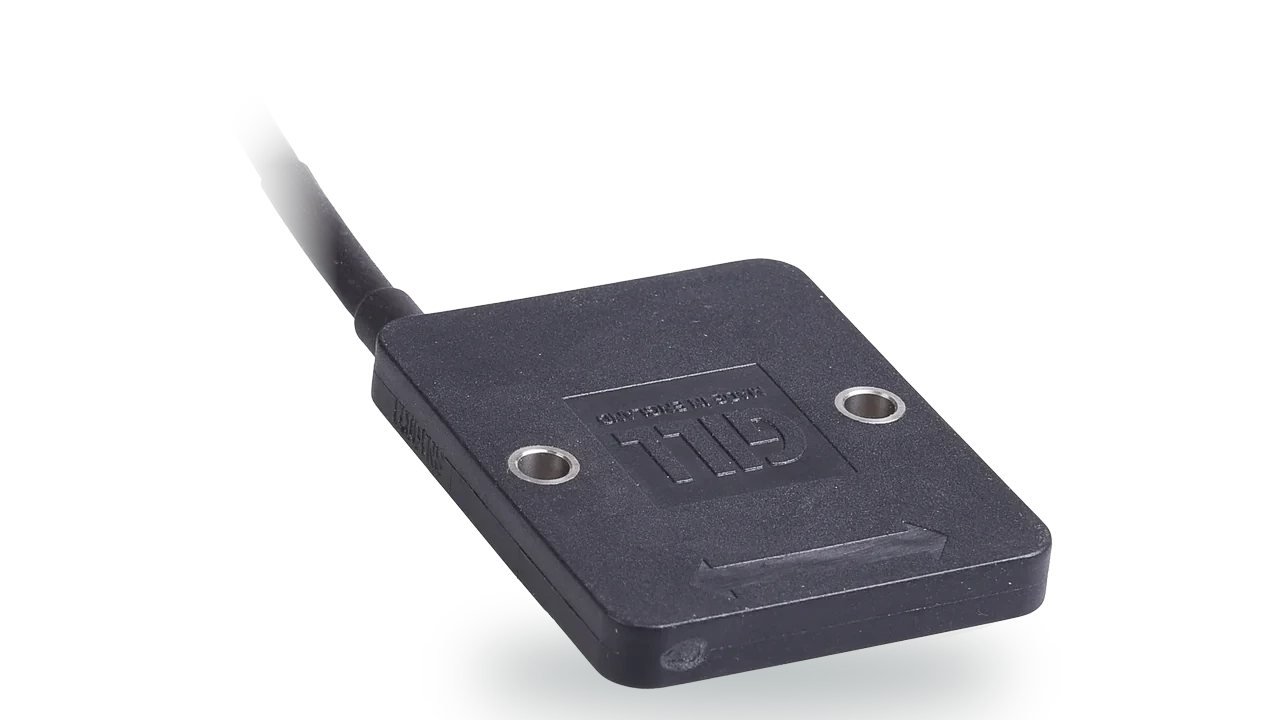
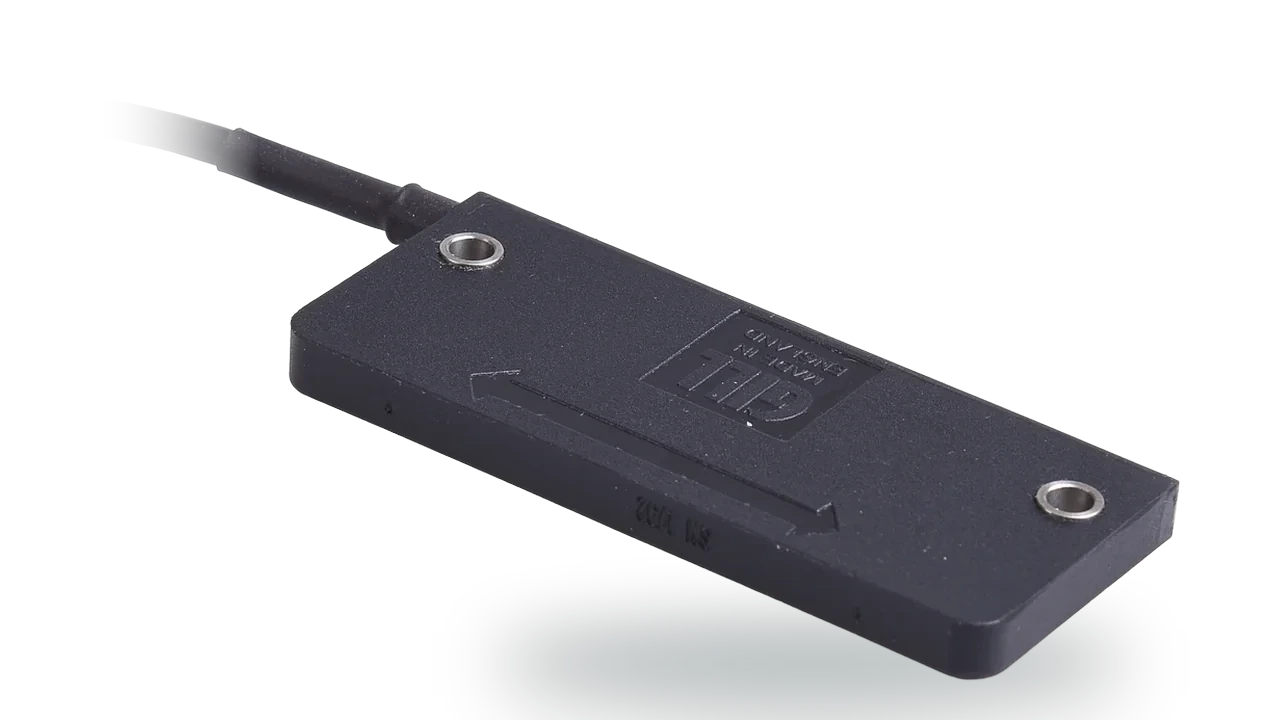
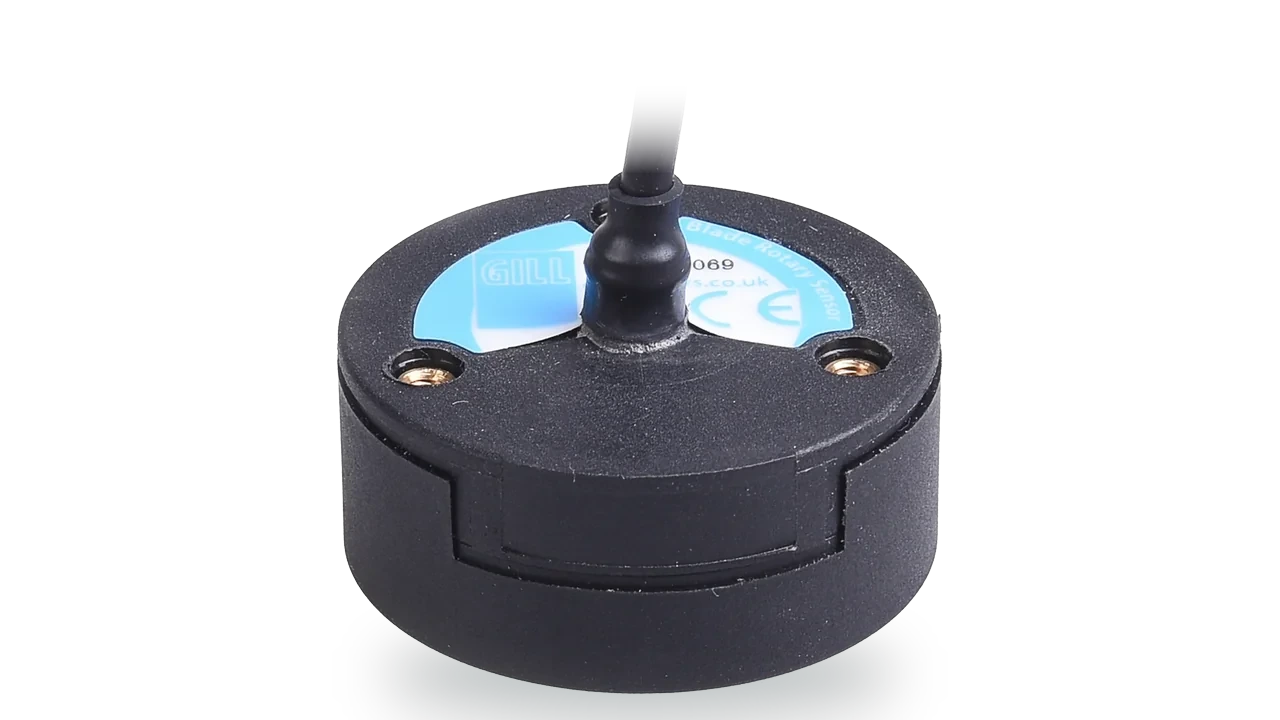
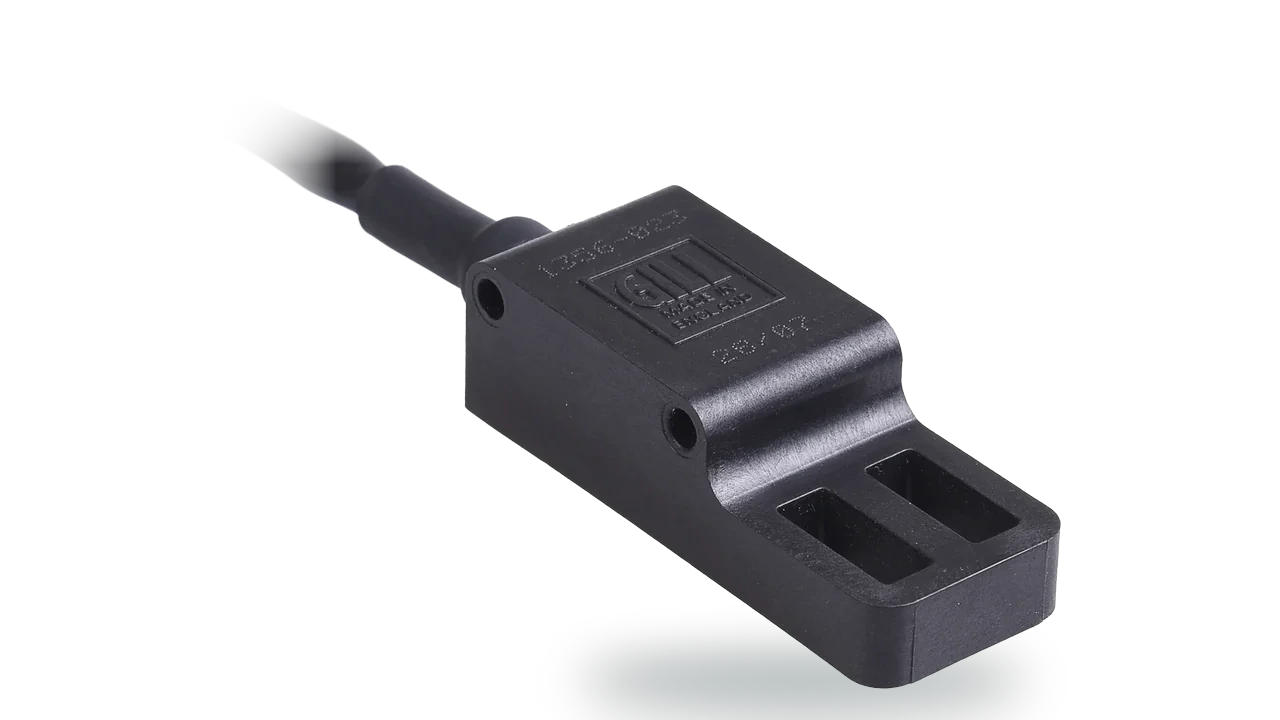
Non-contact inductive sensing for linear and rotary position, measuring movement without physical contact with the mechanism itself.
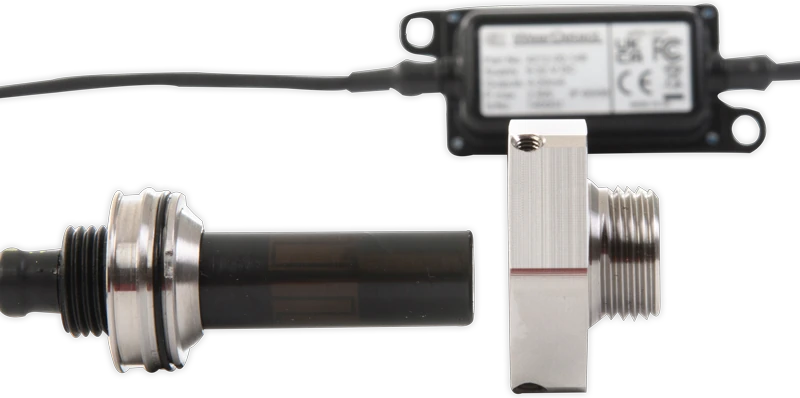
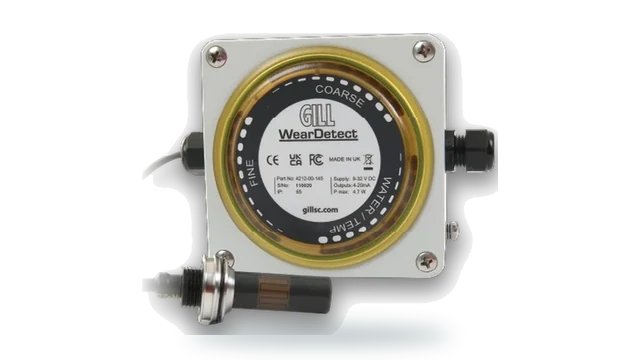
Condition monitoring
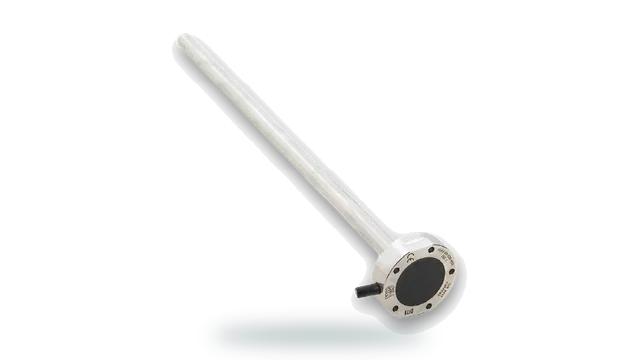
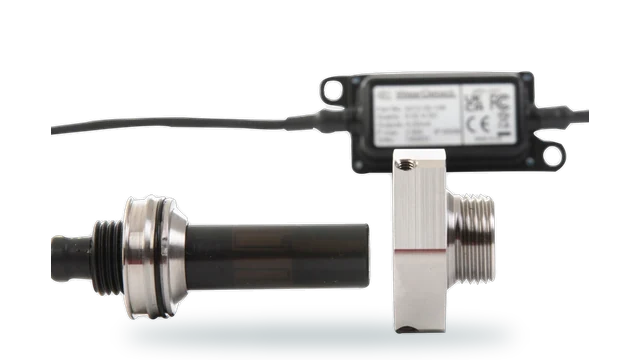
WearDetect detects ferrous debris in lubricating oil, giving maintenance teams continuous information about developing mechanical wear.

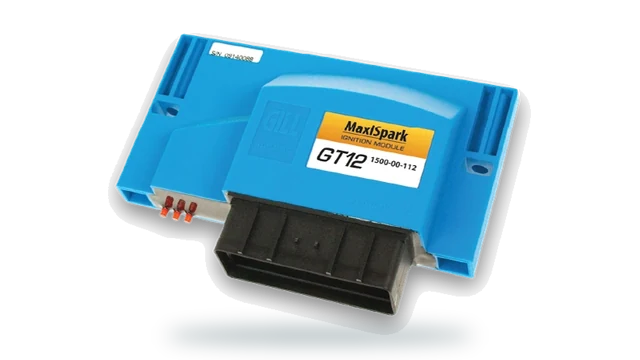
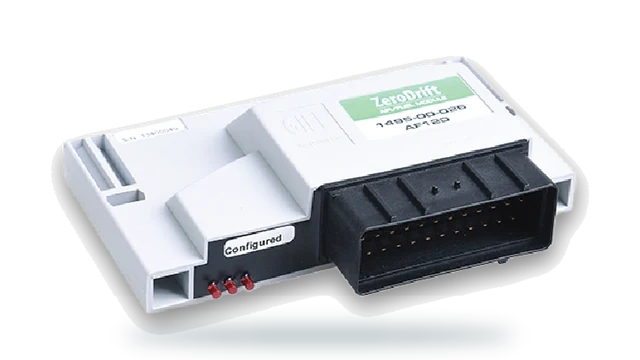
Gas engine controls
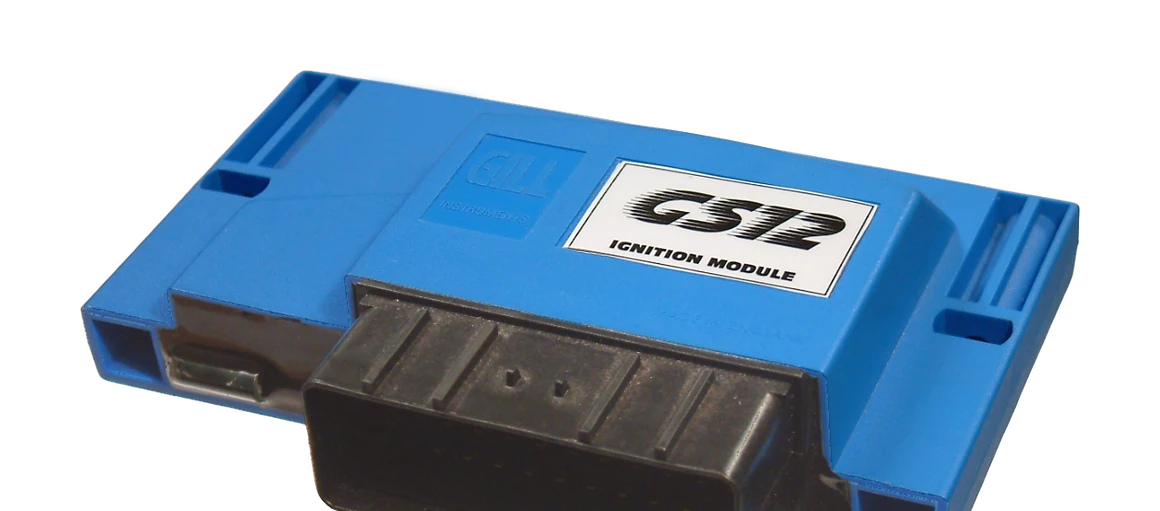
Ignition modules and closed-loop air/fuel ratio control for gas engines, covering applications from one to twelve cylinders.
No single Products does all of that. Our team can suggest a pairing.
If you know the product you need, go straight to it. If you don’t, start with the measurement and application, and work towards the specification: browse by application or compare every Gill range.
NEED TO NARROW IT DOWN?
The specification tells you what matters
Before comparing products, consider the things that can change the choice:
Measurement
What exactly needs to be measured, and with what range, accuracy and resolution?
Environment
What will the instrument encounter? Water, salt, dust, vibration, temperature extremes or something more unusual?
Installation
How much space is available? How will it be mounted? Can it be accessed once installed?
Output & integration
What does the receiving system need, and how does the measurement need to get there?
Power
What is available at the installation, particularly where equipment needs to operate unattended?
Compliance
Are certification, approvals or traceability part of the requirement?
Lifecycle
What happens when the instrument needs calibration, service, repair or replacement?
Scale
Is this one installation, a fleet roll-out or a sensor built into your own product?
The best product choice is rarely based on one specification in isolation. It is the combination.
TECHNOLOGY
Good engineering knows what to leave out
Gill uses ultrasonic, optical, capacitive, inductive and other sensing technologies across the range. The technology changes according to the measurement and the demands around it.
Where mechanical movement adds wear without adding value, we have often found another way.
THE GILL APPROACH
We have a healthy suspicion of unnecessary moving parts
Mechanical components have their place. They also wear, stick, obstruct and eventually need attention.
Where a measurement can be made without them, Gill often takes a different route.
That thinking runs through several of the technologies in the range, from ultrasonic wind measurement and optical rainfall sensing to non-contact position measurement and solid-state liquid-level sensing.
The benefit is not technology for technology’s sake. It is fewer mechanical elements in the measurement where they serve no useful purpose, which can mean fewer potential failure points and less intervention over the life of the installation.
KNOW WHAT YOU NEED?
Compare the ranges
See every Gill range side by side: what each option is best for, when to choose it and how the specifications line up.
Compare products →NARROWING IT DOWN?
Use the product finder
Answer two questions about what you measure and where it will be deployed, and the finder takes you to the range that fits.
Start the finder →NOT SURE?
Start with the application
Tell us what you’re measuring, where the instrument will operate and what the wider system needs from it. We can help you work through the specification and identify the technology worth considering.
Get expert guidance →Where the products go
The datasheet never tells the whole story
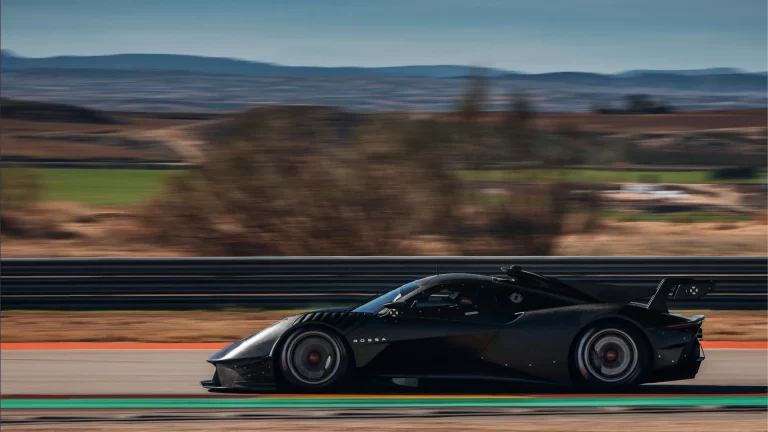
A sensor might look perfectly specified on paper. Then someone has to put it on a mast, inside a racing car, next to an engine or somewhere nobody can easily reach. That is where application matters.
The same product family can appear in very different applications. The specification is what connects them. Explore industries
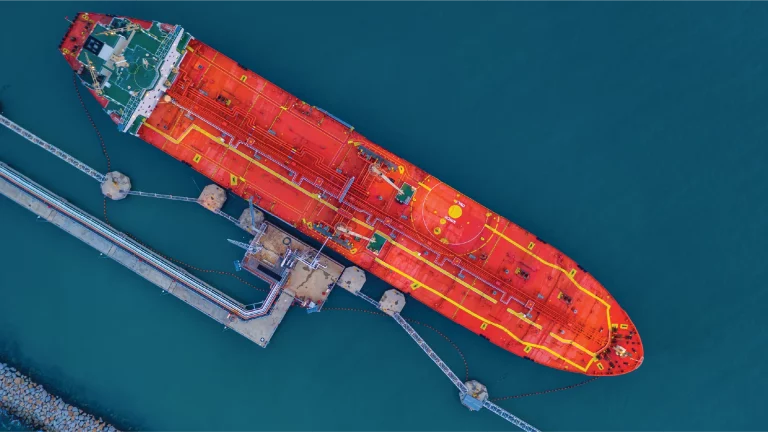
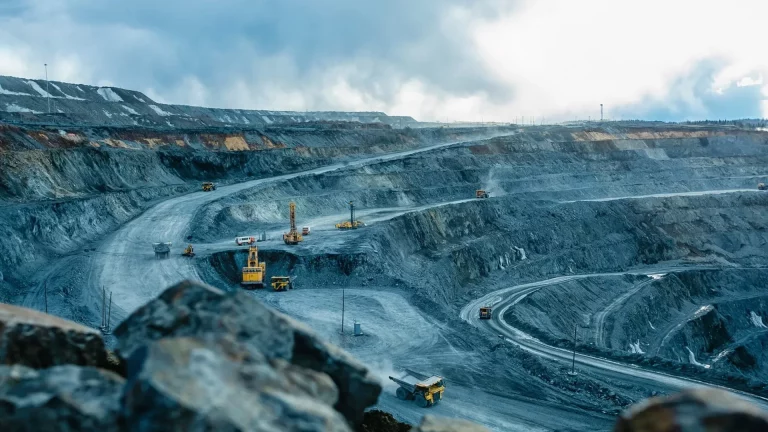
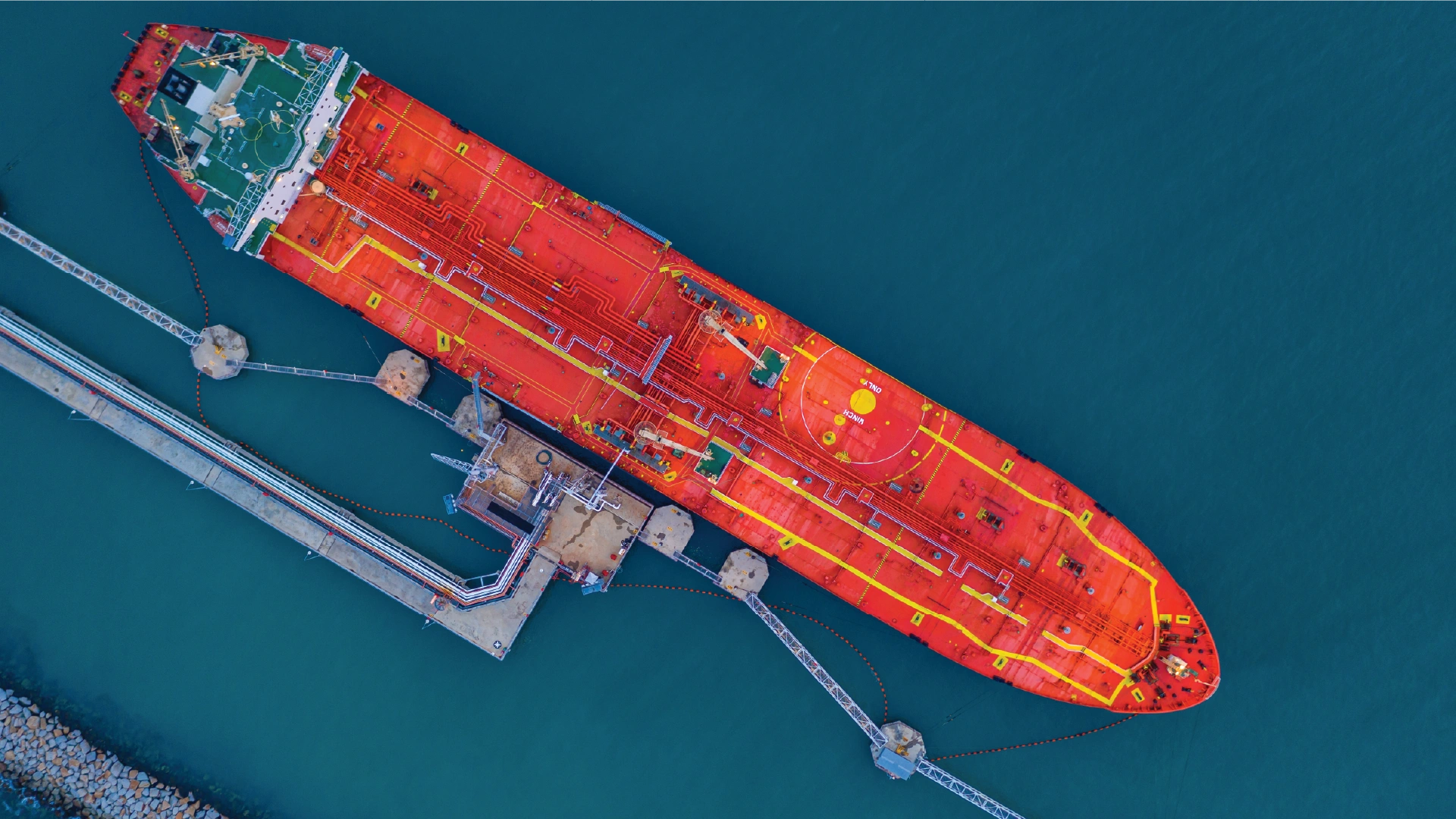 Marine and offshoreMovement, salt, exposure, limited access and certification.Marine and offshore →
 Renewable energyEnvironmental measurement across exposed and often unattended installations.Renewable energy →
 Aviation and airportsWind and weather measurement where availability, accuracy and formal requirements matter.Aviation and airports →
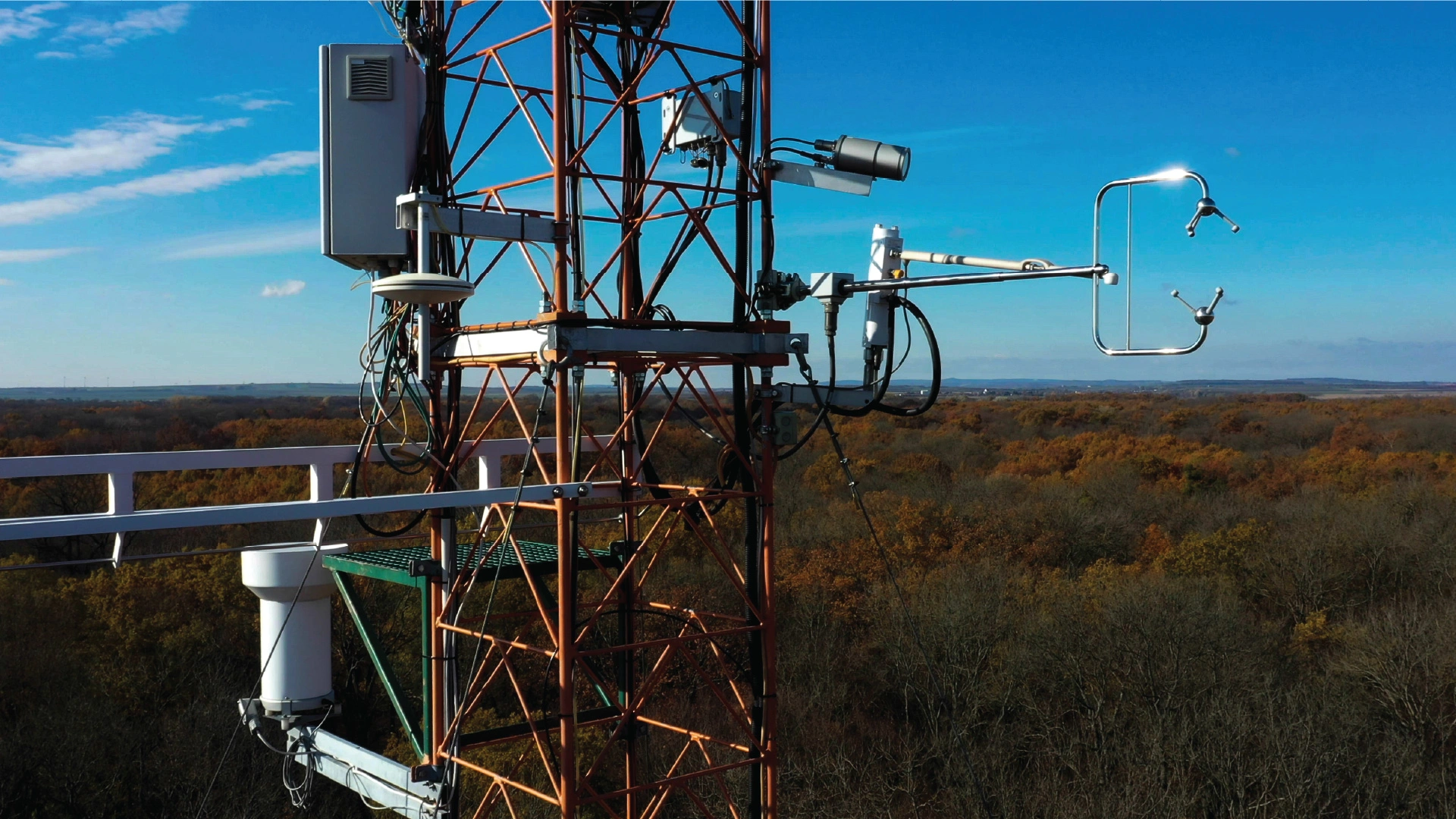 Research and environmentHigh-speed measurement, resolution and data integrity.Research and environment →
 Defence and securityDemanding environmental, mechanical and integration requirements.Defence and security →
 Industrial and processDifficult fluids, vibration, contamination, hazardous areas and restricted maintenance access.Industrial process →
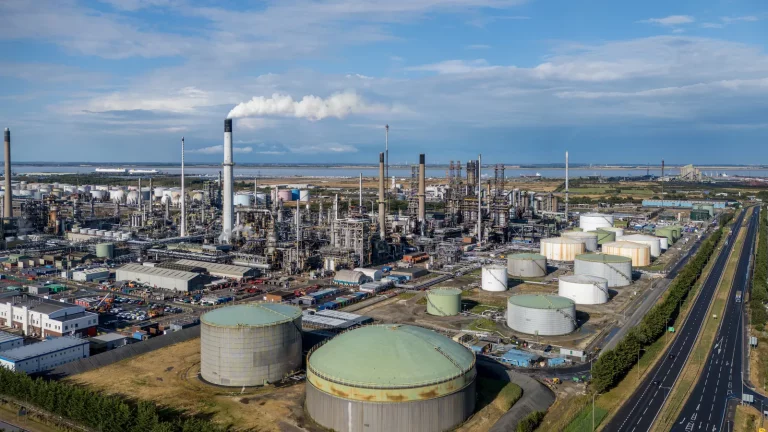
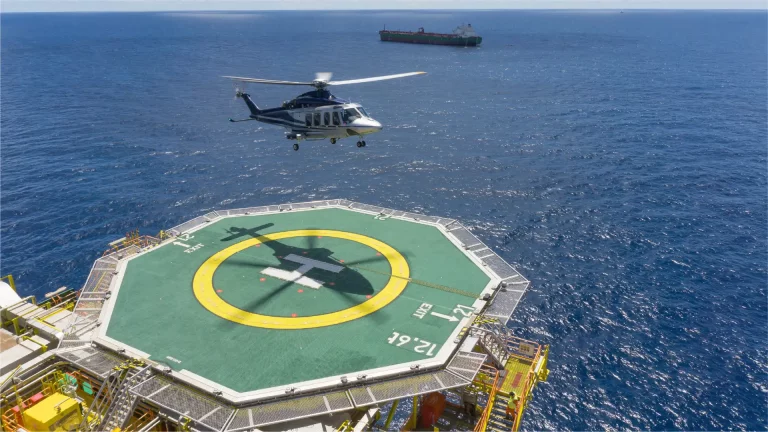
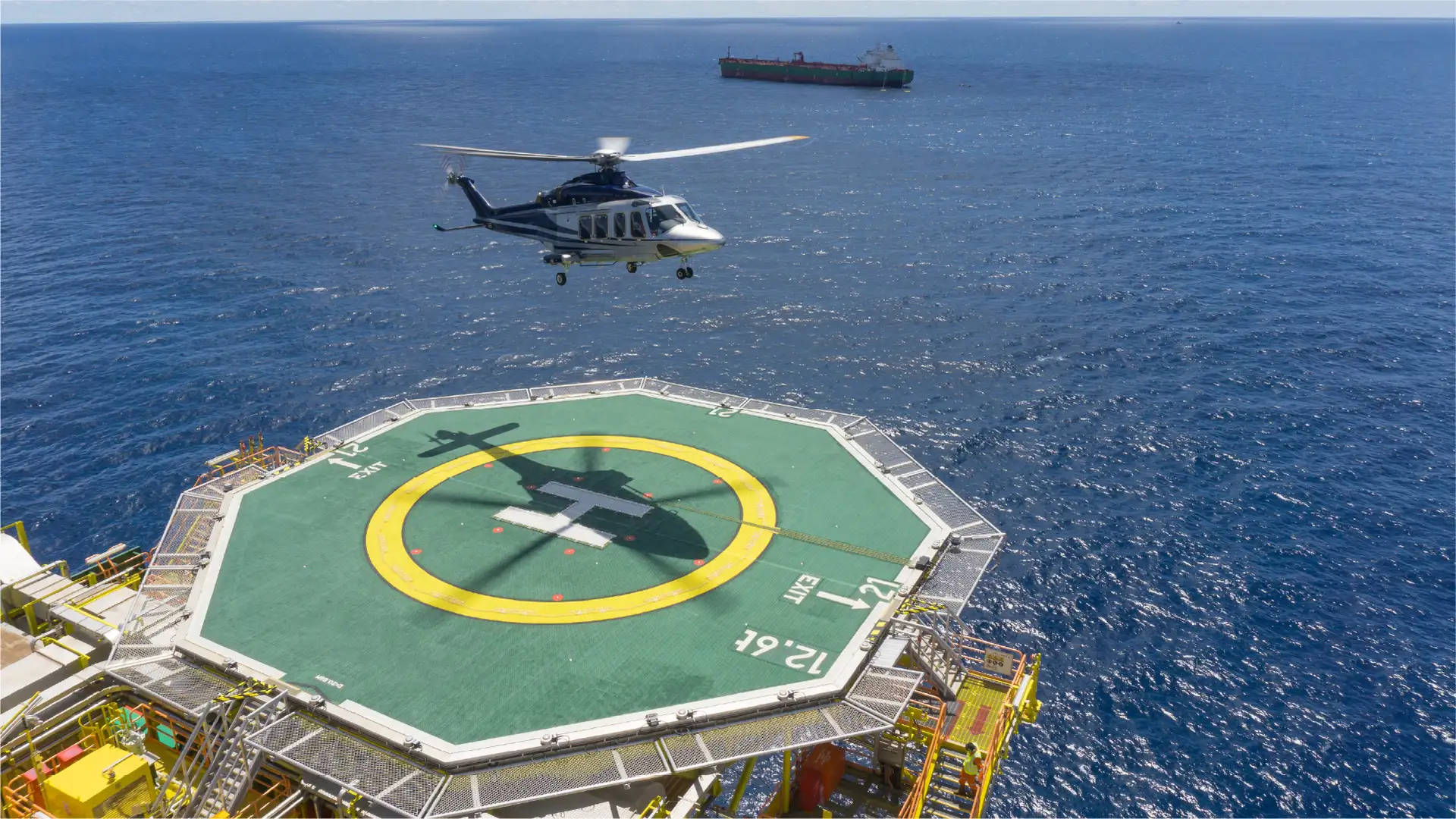 Oil and gasHazardous-area certification, helideck and crane wind, gas engine control and condition monitoring.Oil and gas →
 Transport and infrastructureBridges, cranes, tunnels and roads, where wind decides what can move.Transport and infrastructure →
MORE THAN THE PRODUCT
Buying the sensor is not the end of the job
The measurement still has to be installed, configured, integrated, maintained and, where necessary, calibrated.
That is why Gill’s product capability sits alongside technical support, documentation, service, calibration and engineering expertise.
Knowledge
Technical articles and application guidance to help you understand the measurement before specifying the instrument.
Explore Knowledge →Support
Datasheets, manuals, software, firmware and technical help when the documentation does not quite answer the question.
Visit Support →Calibration
Independent UKAS-accredited calibration through Labcal across air velocity, gas and air flow, liquid flow, pressure, temperature and humidity.
Explore Calibration →WHEN THE STANDARD PRODUCT ISN’T QUITE RIGHT
When the catalogue stops, the engineering starts
Not every application fits neatly into a standard product specification.
Perhaps the installation is unusual. Perhaps the environment pushes beyond the normal operating conditions. Perhaps an existing Gill technology needs to be adapted or integrated into a larger system. Or perhaps what you need to measure does not yet have a product number.
Gill’s engineering and R&D capabilities can take the requirement beyond the catalogue, from application-specific adaptation through to new measurement technology.
The starting point is still the same: understand what needs to be measured and what the application demands.
KNOWLEDGE
Before you specify, know what you’re measuring
Our technical knowledge covers the principles behind Gill’s technologies, the questions that affect sensor selection and the practical considerations that can make or break an installation.
FIND YOUR PRODUCT
Start with what you need to measure
Explore the range, compare the options and get into the detail.
And if the catalogue doesn’t quite answer the question, talk to us.
Technical resources
Brochures and documents across the Gill range
Questions
Frequently asked questions
What products does Gill manufacture?
Gill manufactures sensors and instruments for wind, weather, rainfall, liquid level, position, oil condition and gas engine control. The range includes ultrasonic, optical, capacitive, inductive and other sensing technologies for environmental, industrial and specialist applications.
How do I choose a Gill sensor?
Start with what you need to measure, then consider the operating environment, installation, required performance, output, power, compliance and wider system requirements. If you are unsure which Gill product fits the application, our engineering team can help assess the requirement.
Where can I find Gill product specifications?
Product specifications, datasheets, manuals and other technical documentation are available through the Gill Products and Resources sections. Search by product name or model number to find the relevant information.
Does Gill manufacture products in the UK?
Yes. Gill develops and manufactures its products in Lymington, Hampshire, UK, with engineering, production and testing capabilities located at the same facility.
Can Gill provide a bespoke product?
Where a standard product does not meet an application requirement, Gill's engineering and R&D capabilities can support product adaptation, integration and development beyond the standard catalogue.
Can Gill help with product integration?
Yes. Gill provides technical support around installation, configuration, communications and application requirements. More complex requirements can also draw on Gill's wider engineering capability.
Are Gill products supported after purchase?
Yes. Gill provides technical documentation, software and firmware, technical support, service, repair, spares and accessories. Calibration is available independently through Labcal.
Have an application to discuss?
Speak to our team
Tell us what you need to measure, where and under what conditions. We’ll help you work out the appropriate approach.
Enquiring about Products
- Our team replies. Not an account manager, and not a queue.
- We aim to respond in one working day. Monday to Friday.
- No obligation. Just honest advice on whether Gill is the right fit.