



The first decisions are made
before anyone at the scene has a wind reading
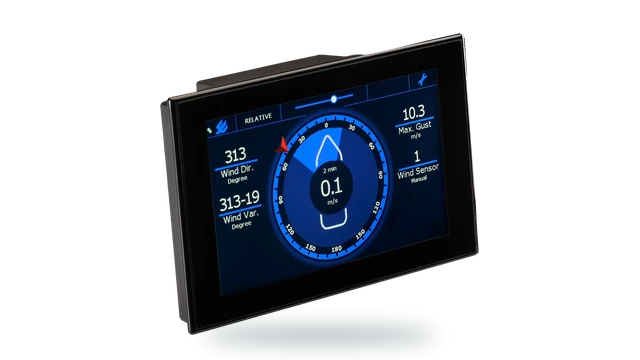
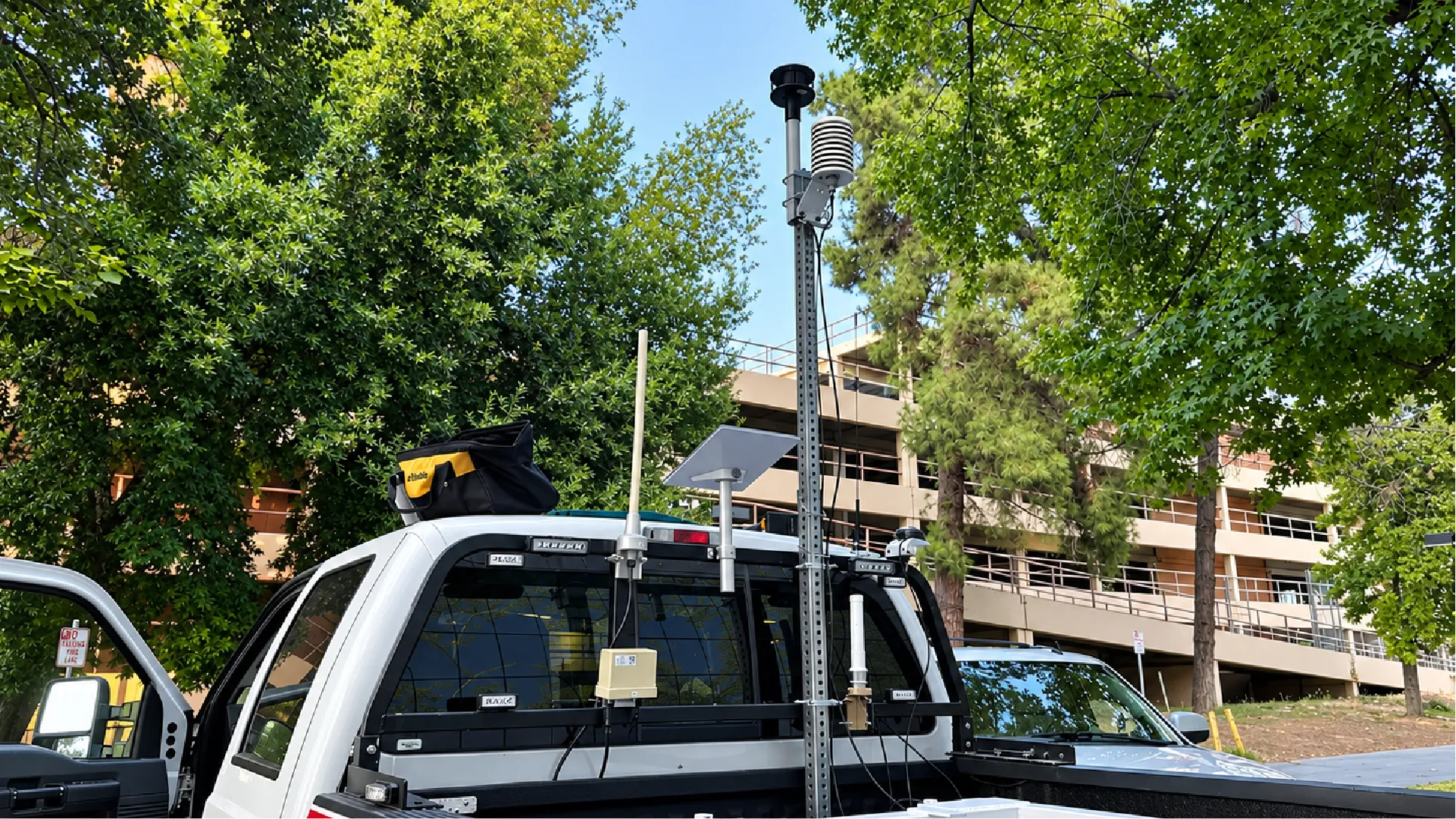
Deployable and vehicle-mounted weather stations for incident command, configured by people who have not touched the equipment since the last exercise, giving wind direction where the plume actually is.
Cordon and evacuation decisions cannot wait for data
Plume direction, cordon distance and evacuation decisions are taken in the first minutes of an incident, and they are revised as conditions change. The measurement that would support them is usually not there yet.
A regional forecast is not a substitute. Wind direction at an incident in a built-up area is determined by the buildings around it, and a forecast direction can be wrong by enough to clear the wrong streets.
Whatever is deployed has to work immediately, in the hands of someone whose main task is the incident and who last used the equipment at an exercise months ago. Equipment that needs configuring does not get used.
One rainfall record can feed a forecast, a flood warning and a planning decision
Public bodies measure the weather, the water and the air, the infrastructure that manages them and the conditions people live and work in. The table maps what the sector measures against who relies on it and the Gill capability behind each measurement.
A public measurement network rarely serves one purpose. A river gauge supports flood warning, abstraction licensing and drought reporting. A coastal station serves the forecast, the port and the surge warning. A wind sensor on a bridge informs the highways authority every day and the emergency services on the worst one.
That is why the specification has to work for the whole life of the record: power at sites without mains, instruments that keep reporting the same way for years, outputs that reach existing loggers, and calibration that stands up when the reading is examined.
Where independent verification is required, Labcal provides UKAS-accredited calibration for equipment from multiple manufacturers across six measurement parameters, so an estate assembled across agencies, grants and programmes stays on one traceable schedule.
The sites that matter have no mains
River gauges, coastal stations and remote monitoring points are exactly the places without power or a regular visit, so draw and maintenance interval decide what can be installed.
MetConnect draws under 70 mA at 12 V DC
One record, many users
The same rainfall or river level series can feed a forecast, a flood model and a licence decision, so it has to stay consistent across instrument changes and decades of operation.
TruMet PW100 outputs one pulse per 0.1 mm
The quiet years are the risk
Most public monitoring sits unattended between visits, and some of it exists for events that happen once a decade. That is when a mechanical sensor silts, seizes or drifts.
No moving parts to seize or replace
It gets examined afterwards
Inquiries and reviews ask what was measured, when, and how it was verified. That is answered by a calibration record, or it is not answered.
UKAS-accredited, ISO/IEC 17025:2017
Every public decision starts at a measurement point
Three views of the work public bodies do with measurement: observe and forecast, manage and regulate, warn and respond. From rainfall and rivers to bridges, flood infrastructure and the incident itself.
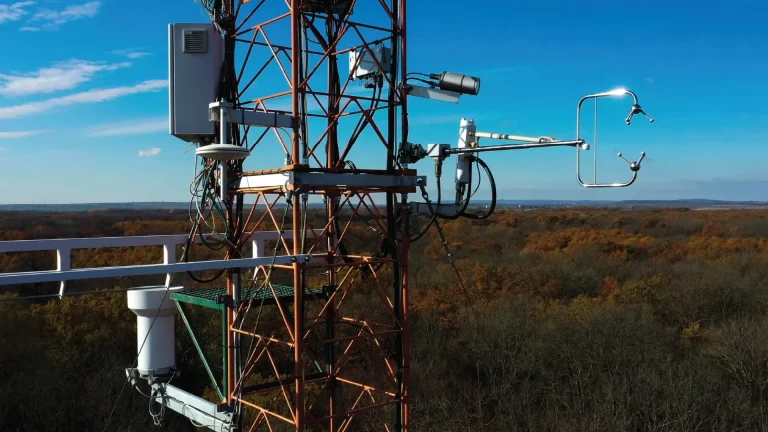
Observing station wind
A national network reports wind at the same height, the same way, for decades, and every change of instrument is a potential step in the record.
- WindObserver 75 heated, 316 stainless, IP66, no moving parts
- MetConnect One separable sensors, each sited at its own height
- WindSonic 75 0 to 75 m/s, 0.5 kg, low mast loading
Temperature, humidity and pressure
Air temperature, humidity and pressure underpin every forecast, frost warning and climate statistic, and they have to be measured at screen height, clear of the mast.
- MetConnect THP temperature 0.2 degrees C, humidity 1.5 percent RH, pressure accuracy 0.5 hPa
- MetConnect One Pt100 to IEC 60751 input for a reference thermometer
- MaxiMet GMX300 temperature, humidity and pressure, no wind
Rainfall intensity
Rainfall is the input to the flood model, the drought statistic and the drainage design, so a gauge that can block with debris puts the record at risk when it matters most.
- TruMet PW100 optical, 0 to 200 mm/hr, one pulse per 0.1 mm into an existing logger
- MetConnect One contact closure input for rainfall alongside the weather
- MaxiMet GMX603 integrated optical rainfall alongside the weather
Agricultural field stations
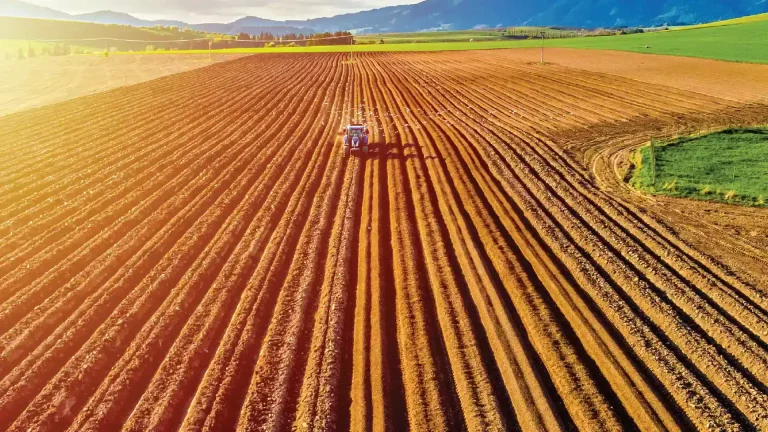
Frost, spraying and irrigation decisions are made field by field, on conditions that can differ sharply from the nearest regional station.
- MaxiMet GMX551 wind, T, H, P, solar and rainfall in one housing
- MaxiMet GMX501 adds solar radiation to wind, T, H and P
- MetConnect One analogue and Pt100 inputs for third-party instruments
Remote power and resilience
Most public monitoring sites have no mains, so solar, battery and a power budget decide what can be installed and whether it keeps reporting.
- MetConnect THP 5 to 30 V DC, less than 70 mA at 12 V DC
- MaxiMet GMX200 0.5 kg, single supply, minimal draw
- MaxiMet GMX301 solar radiation for a PV-powered site
Gauging station and telemetry
A gauging station is judged on the events it captured, not the years it sat quietly, and it has to report from somewhere with no mains and no visitor.
- MetConnect One SDI-12 v1.3 into an existing hydrometric logger
- MetConnect THP 5 to 30 V DC, under 70 mA at 12 V DC
- MaxiMet GMX400 temperature, humidity, pressure and rainfall
River level and flood warning
Flood warning lead time depends on level measurement that is already installed and already working. Capacitive level sensing has been used in exploratory river and flood installations, so talk to us about whether it suits your site.
- LevelPro capacitive level, no moving parts to silt up
- LevelSlick FEP coated for silty and debris-laden water
- TruMet PW100 rainfall intensity to 0 to 200 mm/hr alongside level
Coastal surge and tidal flooding
Surge combines tide, pressure and wind, so a coastal warning needs all three measured locally rather than two of them inferred.
- WindObserver 75 316 stainless, IP66, Lloyd’s Register Type Approved
- MetConnect THP pressure 300 to 1100 hPa, accuracy 0.5 hPa
- LevelPro water level with no moving parts in salt water
Bridge and exposed road wind
Bridge closures, speed restrictions and high-sided vehicle bans are set on wind measured at the structure, and the decision is questioned the moment traffic stops.
- WindObserver 75 heated, 316 stainless, IP66, no moving parts
- WindObserver 90 0 to 90 m/s for exposed estuary crossings
- WindUltra compact 2-axis, IP69k, for deck-level positions
Air quality and pollution monitoring
A pollution reading only tells a regulator where it came from when wind speed and direction are measured at the same site and the same time.
- WindSonic 60 0 to 60 m/s, economical across a network of sites
- MaxiMet GMX500 wind, temperature, humidity and pressure in one unit
- WindMaster Pro 3-axis to 32 Hz where dispersion and stability matter
Cold weather and winter planning
Gritting, warm spaces and cold weather alerts are all triggered on measured temperature, and they are all funded on the assumption the trigger is right.
- MetConnect THP Pt100 input for a surface temperature probe
- MaxiMet GMX400 temperature, humidity, pressure and rainfall
- WindSonic M heated, operating to -40 degrees C
Civic buildings and public estate
Public buildings become rest centres and reception centres, and their heating, ventilation and drainage are all somebody in an office deciding without data.
- MetConnect THP temperature 0.2 degrees C, humidity 1.5 percent RH
- MaxiMet GMX551 rooftop station with wind, T, H, P, solar and rainfall
- MaxiMet GMX300 temperature, humidity and pressure only
Heat alerts and public health
Heat health alerts and worker safety both rest on the same measurement, and a shaded enclosure reading is not what people are exposed to.
- MaxiMet GMX552 WBGT heat stress with wind, T, H and P, 1.29 kg, IP66
- MaxiMet GMX551 wind, T, H, P, solar and rainfall in one housing
- MetConnect THP reference temperature and humidity
Flood barriers and defences
A demountable defence has to be deployed before the peak, which means the decision is made on a measurement rather than on a look at the river.
- LevelPro continuous level upstream of the defence
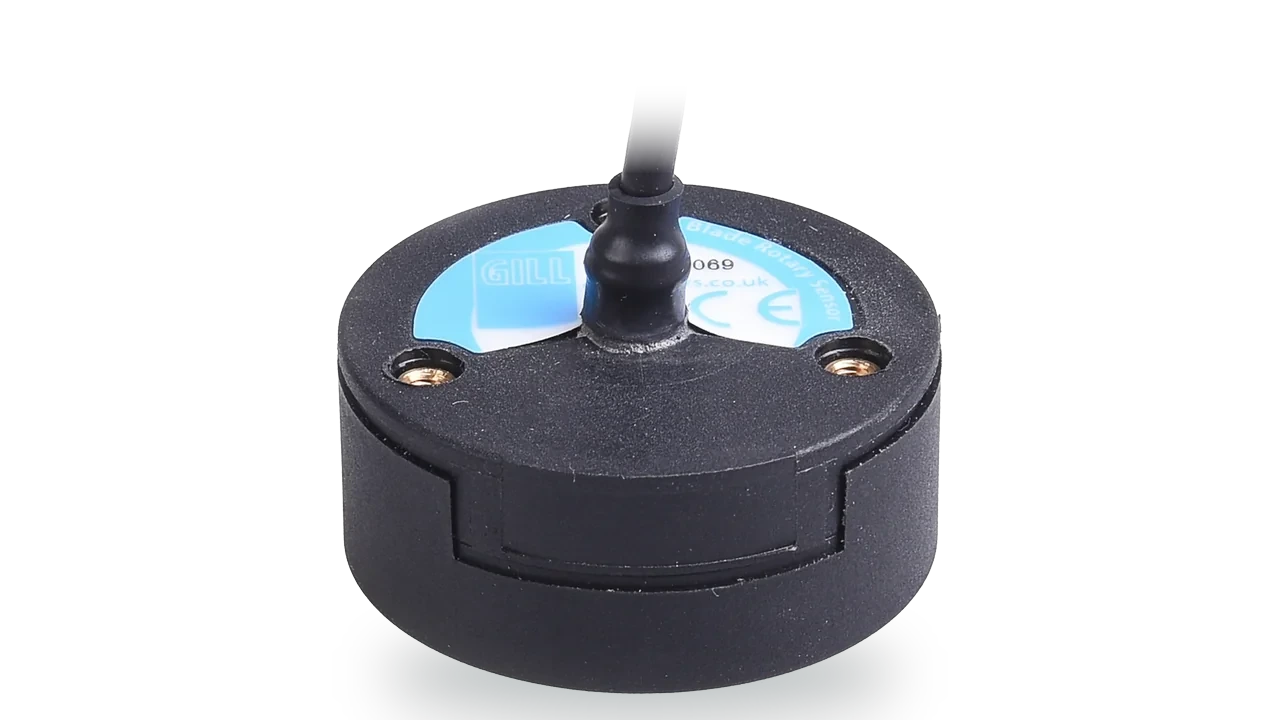
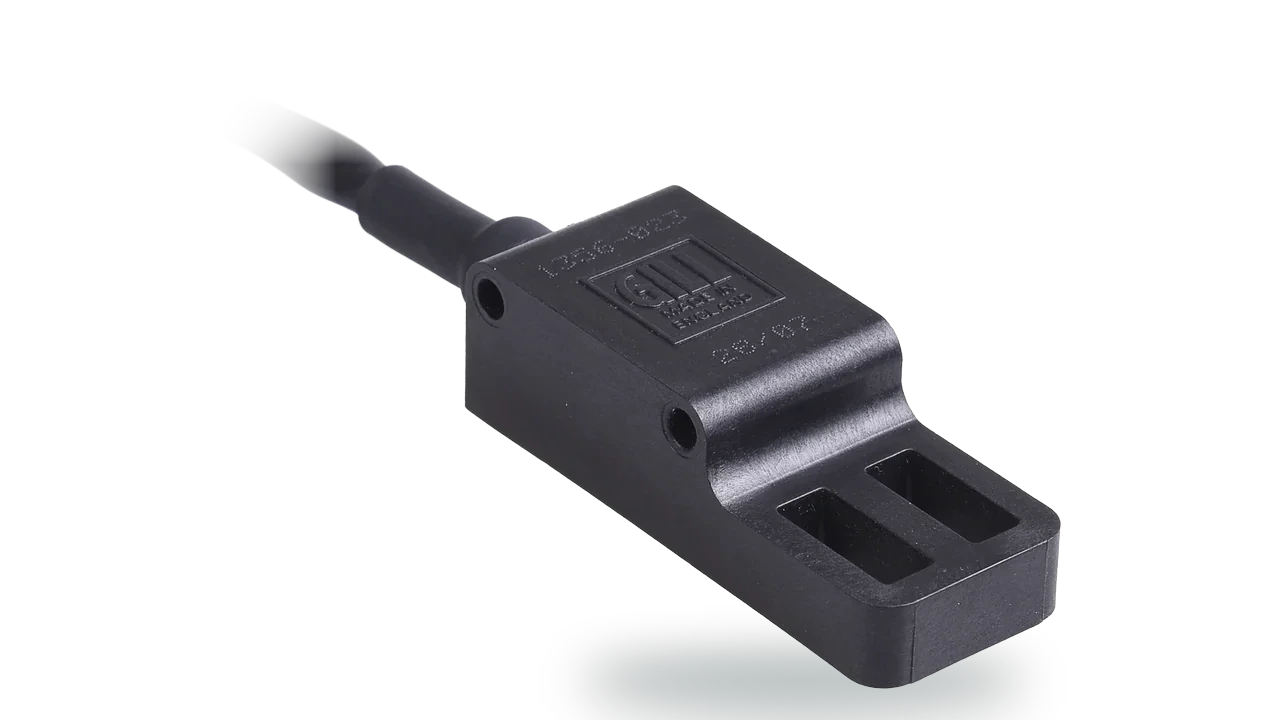
- Blade position sensors non-contact position proving on gates and penstocks
- TruMet PW100 catchment rainfall intensity, no bucket to block
Sluice, gate and penstock position
A gate that is commanded shut has to prove it is shut, under water and in silt, with a sensor that does not wear every time it moves.
- Blade360 full 360 degree contactless position, IP67, sealed for temporary immersion (1 m for 30 min)
- Blade60 contactless linear position to 60 mm
- Blade Dual Output a second channel where redundancy is required
Flood pumping station machinery
A flood pump runs hard for a few days a year and sits idle in between, so gearbox and engine wear has to be caught before the event, not during it.
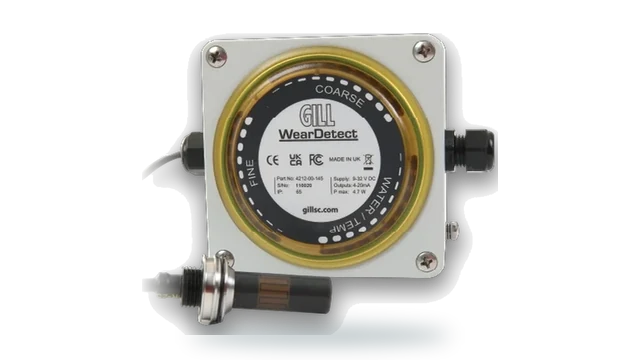
- WearDetect fine and coarse ferrous debris, water presence and oil temperature
- WearDetect with Display the same sensor with an integrated display
- Outputs 0-10 V, 4-20 mA, CANbus or Modbus RTU into telemetry
Wet well and sump level
Pump start and stop, overflow alarms and spill reporting all hang on the level in a wet well full of debris and rag.
- LevelSlick coated for dirty, viscous and conductive liquids
- LevelPro stainless steel, IP66 and IP68, 0-10 V or 4-20 mA, RS232 for configuration
- DD1615 level display where a local readout is needed
Mobile incident command
A command vehicle arrives with its own met capability because the nearest station is somewhere else and the incident is here.
- MaxiMet GMX551 wind, T, H, P, solar and rainfall on one mast
- MaxiMet GMX200 wind only, 0.5 kg, fastest to raise
- WindUltra compact 2-axis, IP69k, low power for vehicle mounting
Deployable met mast
A mast that takes twenty minutes to set up in weather is a mast that does not get set up.
- MaxiMet GMX200 one unit, one cable, one output string
- MetConnect One SDI-12, Modbus and NMEA 0183 into a logger
- WindSonic 60 0.5 kg, configured with the free MetSet software
Air ambulance and landing sites
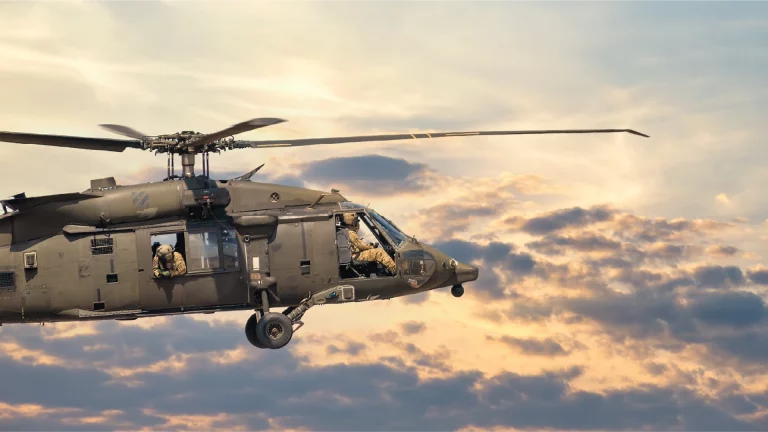
A landing site is chosen in minutes and used at night, and the wind limit is checked where the aircraft is going rather than where the met station is.
- WindObserver 70 heated, IP66, 316 stainless, marine type approved
- MaxiMet GMX501 compact station for a hospital or fixed landing site
- WindSonic M heated, 0.9 kg, for a temporary pad-side reference
Fire ground and smoke plume
Where the smoke goes decides who is evacuated, and that is a wind direction question answered at the incident within the first few minutes.
- MaxiMet GMX200 wind only, 0.5 kg, raised in a minute
- WindMaster Pro 3-axis to 32 Hz where plume rise matters
- MaxiMet GMX500 wind, temperature, humidity and pressure
Hazardous release and dispersion
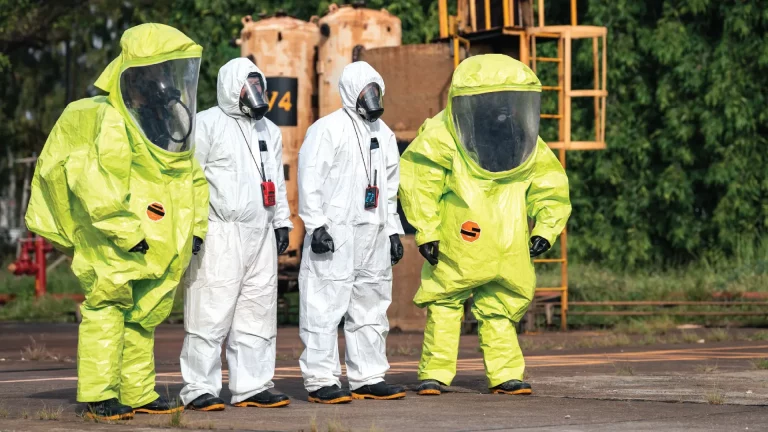
Plume modelling for a chemical release is only as good as the wind and stability data going into it, and the model is being run while people wait.
- WindMaster Pro 3-axis to 32 Hz for stability and dispersion
- MetConnect THP two analogue inputs for detection equipment
- WindObserver 75 a fixed reference at a COMAH or similar site
Water rescue and boat operations
Crews on the water need wind and conditions from the boat, on a platform where everything gets wet and nothing gets serviced mid-operation.
- WindUltra compact 2-axis, IP69k, built for wet mobile platforms
- MaxiMet GMX260 marine model with a 6-axis compass, IP66 and IP68
- MaxiMet GMX200 wind only, 0.5 kg, for a shore reference
Temporary events and crowd safety
Temporary structures, stages and marquees carry wind limits, and the decision to strike them is made by somebody who will be asked to justify it.
- WindSonic 75 0 to 75 m/s, 0.5 kg, for a temporary mast
- MaxiMet GMX200 wind only, quick to raise and configure
- WindObserver 90 0 to 90 m/s for an exposed site
Service vehicles: fuel and position
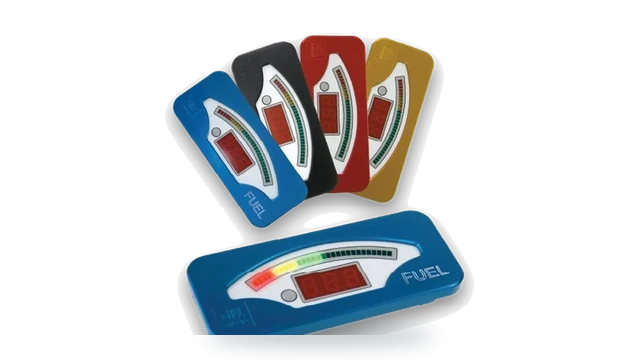
Service vans and site vehicles run on fuel that is easy to lose track of. A capacitive level sensor reports what is left in the tank with no float to stick, and non-contact position sensors give long-life feedback from pedals, steering and actuators.
River water temperature probes
Water quality and fisheries monitoring log river temperature alongside level. Labcal calibrates the probes, loggers and transmitters used.
- UKAS temperature calibration temperature probes, thermocouples, RTDs, thermometers, transmitters and data loggers, -30 to +140 °C
- Labcal, UKAS Lab 0625 ISO/IEC 17025:2017, for instruments from any manufacturer
Rising main flow meter
Pumped volumes are reported from the flow meter on the rising main. Labcal calibrates electromagnetic, ultrasonic and other liquid flow meters.
- UKAS liquid flow calibration electromagnetic, turbine, Coriolis, paddle wheel, positive displacement and ultrasonic flow meters
- Labcal, UKAS Lab 0625 ISO/IEC 17025:2017, for instruments from any manufacturer
Pump discharge pressure
Pump health and duty point are read from discharge pressure gauges and transmitters. Labcal calibrates them, whoever made them.
- UKAS pressure calibration pressure gauges, digital indicators, transmitters, transducers and switches, 0 to 1,400 bar
- Labcal, UKAS Lab 0625 ISO/IEC 17025:2017, for instruments from any manufacturer
Generator fuel level
The command vehicle runs its operations room from an on-board generator. A capacitive level sensor in the fuel tank shows how long it can stay on scene, with no float to stick on rough ground.
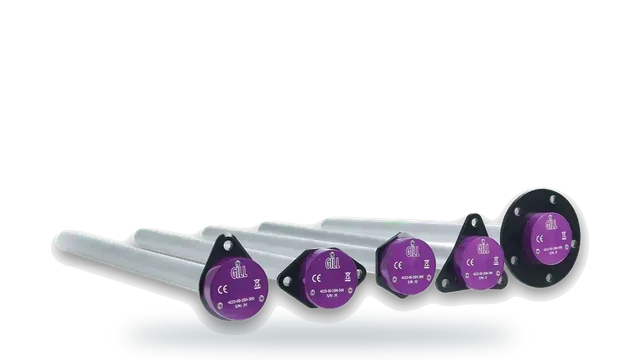
- LevelPro capacitive fuel level, no moving parts
Speed of deployment beats specification
The value of an incident measurement decays quickly. A reading available in three minutes shapes the cordon; the same reading in forty minutes confirms a decision already taken.
That makes setup time the dominant specification criterion. One unit, one cable and one output string is fewer things to mount, connect, configure and get wrong under pressure.
Direction matters more than precision. Deciding which side of an incident to clear needs a direction that is right, not a speed that is accurate to a fraction, and it needs to update as the wind backs through the afternoon.
Vehicle mounting solves the deployment problem outright, because the measurement arrives with the appliance and starts reporting as soon as it stops. Nothing has to be raised, and nothing has to be remembered.
Working before the cordon is set
Every separate instrument is another mounting, another cable and another configuration step taken by someone who would rather be doing something else. Reducing that to one item is the single biggest improvement available.
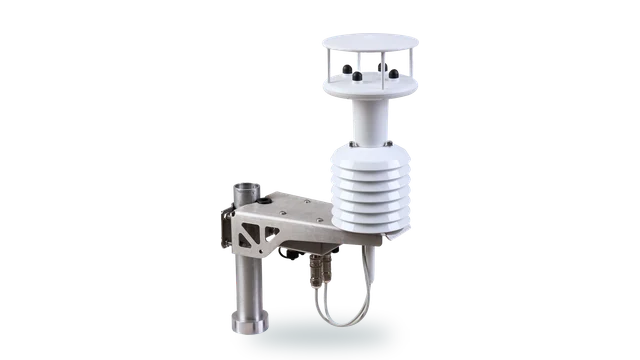
MaxiMet brings wind, temperature, humidity, pressure, solar radiation and rainfall into one unit with one output string. GMX200 provides wind only at 0.5 kg, which is enough for a plume direction decision and light enough to raise on a mast one person can carry.
One unit, one cable, minutes not hours
View MaxiMetArrives with the appliance
A vehicle-mounted sensor is deployed by driving to the incident. There is nothing to raise, nothing to configure and nothing that depends on remembering a procedure under pressure.
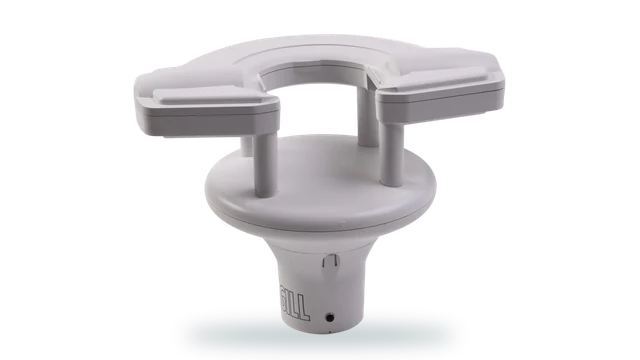
WindUltra is a compact 2-axis ultrasonic anemometer designed for mobile platforms, sealed and rated IP66, IP68 and IP69K, with low-power operation that suits a vehicle electrical system.
Deployed by arriving
View WindUltraIncidents are investigated
Decisions taken at an incident are reviewed afterwards, sometimes formally. The conditions at the time are central to that review, and a recorded measurement from the scene is a different kind of answer from a forecast retrieved later.
Traceable calibration is what makes that record usable. Equipment held on an interval between deployments arrives already defensible rather than being justified retrospectively.
Labcal is an independent UKAS-accredited laboratory operating to ISO/IEC 17025:2017, calibrating equipment from any manufacturer, which suits an inventory bought across several procurement rounds.
What an incident deployment carries
Compact and vehicle-mounted measurement chosen for deployment speed, with the precision and heated options for established positions.
Deployable
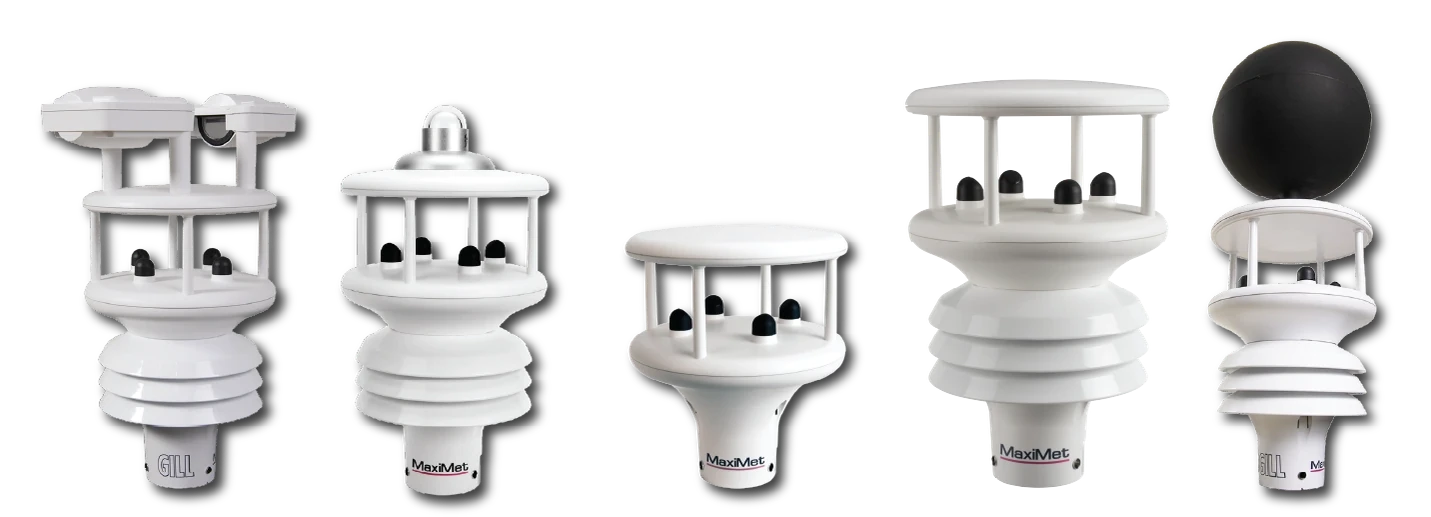
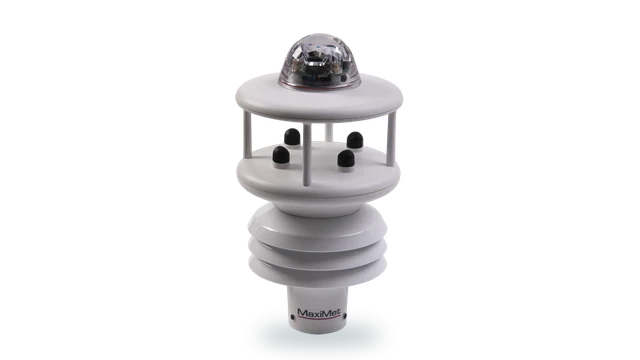
MaxiMet
All-in-one weather station, no moving parts
The full parameter set from one unit on one cable, with GMX200 at 0.5 kg where wind direction is the decision.
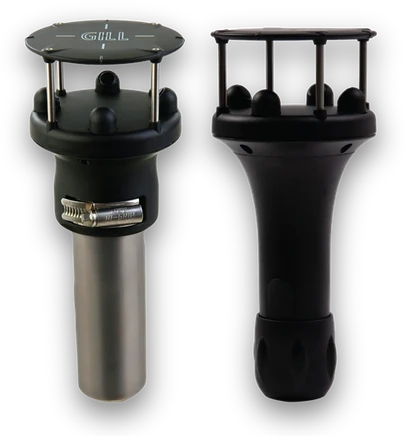
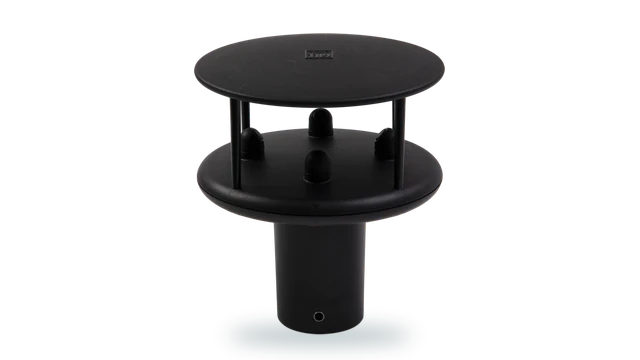
WindUltra
Compact 2-axis ultrasonic anemometer
A compact 2-axis anemometer for appliance and vehicle mounting, sealed to IP69k and deployed by arriving.
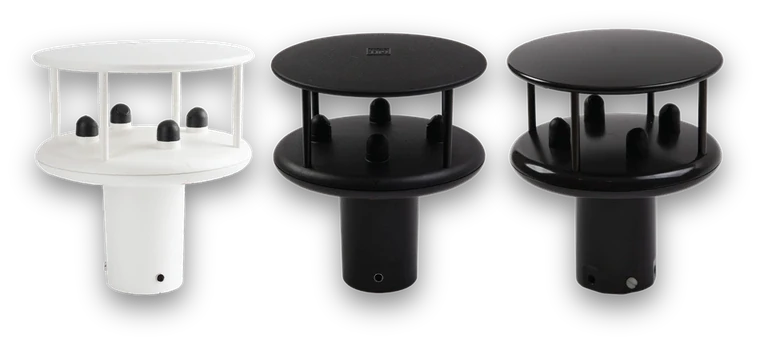
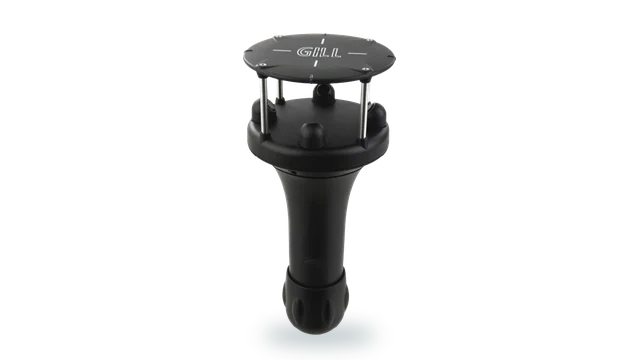
WindSonic
Lightweight 2-axis ultrasonic anemometer
Lightweight ultrasonic measurement for a portable mast, with WindSonic M heated to -40 degrees C.
Established positions
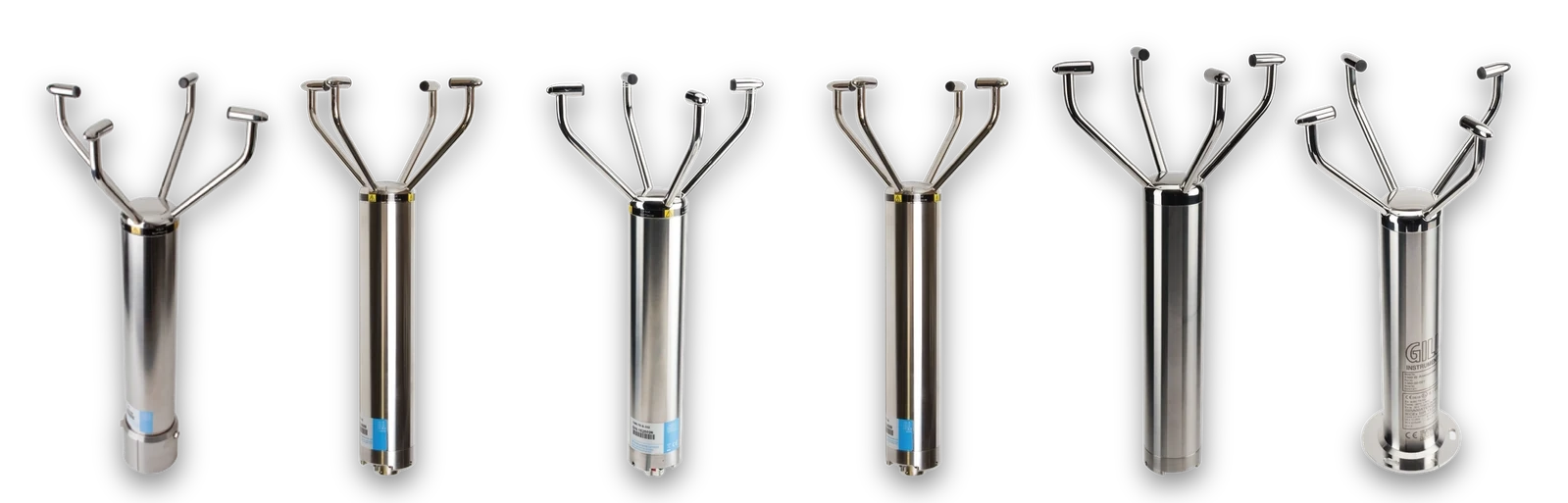
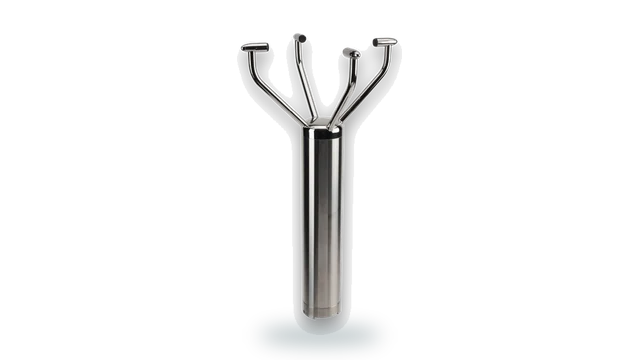
WindObserver
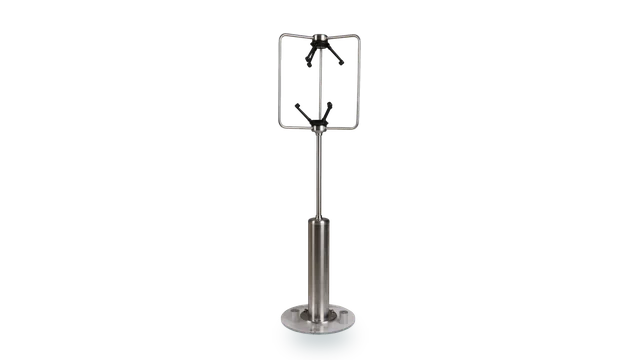
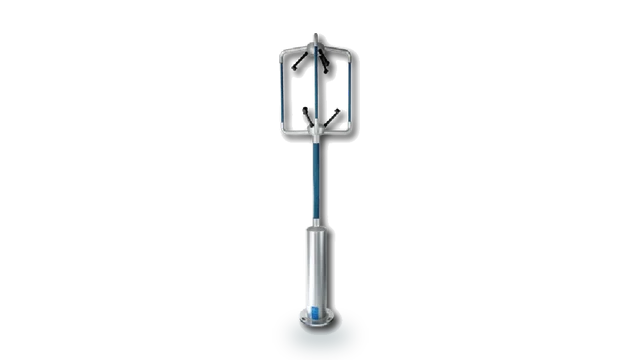
Heated 316 stainless open-head 2-axis anemometer
Heated 316 stainless for permanent positions at high-risk sites that have to report through any conditions.
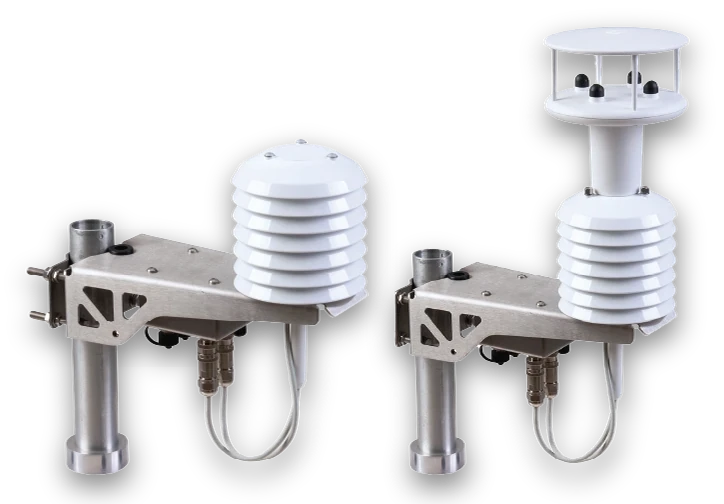
MetConnect
Separable sensors for WMO-compliant siting
Separable sensors where a position becomes established and siting starts to matter.
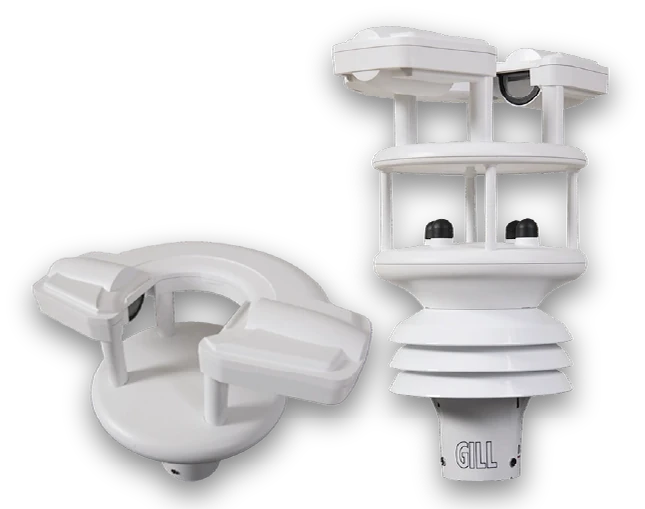
TruMet PW100
Infrared optical rain gauge
Optical rainfall measurement with no mechanism to block or to level on uneven ground.
Where incident measurement does the work
Plume direction
Wind direction at the scene deciding which side of an incident is cleared.
Appliance mounted
Measurement that arrives with the vehicle and reports as soon as it stops.
Revised decisions
Continuous measurement as conditions change through an extended incident.
Infrequent use
Equipment configured by different people and expected to work first time.
Pre-positioned
Permanent measurement at sites where a release is planned for rather than responded to.
Shared picture
One conditions record that every agency at the scene is working from.
UKAS-accredited calibration for six measurement parameters
Labcal is an independent UKAS-accredited calibration laboratory, Lab 0625, operating to ISO/IEC 17025:2017. It provides calibration across gas and air flow, air velocity, liquid flow, pressure, temperature and humidity.
For a response inventory carrying anemometers, thermal probes, pressure instruments, thermometers, temperature and humidity probes and data loggers, one accredited laboratory keeps equipment from several procurement rounds on a single traceable schedule.
Gas meters · Mass flow controllers · Dispensing systems
Anemometers · Pitot tubes · Thermal probes
Flow meters and sensors · Process control equipment
Gauges · Transducers · Manometers · Transmitters
Thermometers · Probes · Thermocouples · Data loggers
Hygrometers · Probes · Transmitters
Getting conditions into the command picture
An incident measurement has to reach the person making the decision, which may be a command vehicle, a handheld display or a multi-agency common operating picture.
Gill supports environmental monitoring, industrial sensing, embedded electronics and systems integration, so emergency services, integrators and vehicle builders can bring measurement into deployed and command systems.
Whether the requirement is a serial string into a command system, CAN into a vehicle network, or analogue into an existing channel, Gill engineers can support integration from specification through commissioning.
Outputs and options
- RS232 & RS485 : Command systems and displays
- CAN : Vehicle networks and appliance integration
- Modbus RTU : Fixed site systems
- 4-20 mA & 0-10 V : Existing analogue channels
What the specification looks like in practice
Working in minutes
One unit, one cable and one output string, because the value of an incident measurement decays quickly.
Deployed by arriving
Vehicle mounting removes the setup step entirely, which is the step most likely to be skipped under pressure.
Light enough to raise alone
GMX200 measures wind at 0.5 kg, so a mast is a one-person job.
Nothing to repair at the scene
No rotating sensing element to ice, foul, wear or seize, and no field repair capability required.
Heated where it is cold
WindSonic M operates to -40 degrees C, and WindObserver is heated 316 stainless.
Defensible at the review
Independent UKAS-accredited calibration across six parameters, for equipment from any manufacturer.
Questions about incident command and deployable met
Because wind direction at an incident in a built-up area is determined by the buildings around it, and a forecast direction can be wrong by enough to clear the wrong streets.
The decision is also revised repeatedly through an incident, which needs a live measurement rather than a snapshot.
That depends mostly on how many separate items have to be mounted and configured. A compact all-in-one station is one mounting, one connection and one configuration, which is the main reason it is faster.
WindUltra is a compact 2-axis ultrasonic anemometer designed for mobile platforms, sealed and rated IP66, IP68 and IP69K, with low-power operation suited to a vehicle electrical system.
Heated options are available. WindSonic M is heated aluminium operating to -40 degrees C, and WindObserver is heated 316 stainless at IP66, icing tested to MIL-STD-810F.
Generally yes. The sensors provide serial, CAN, Modbus and analogue outputs, and the engineering team can advise on the interface a particular command or vehicle system expects.
Yes. Labcal is an independent UKAS-accredited calibration laboratory, Lab 0625, operating to ISO/IEC 17025:2017, calibrating equipment from any manufacturer across gas and air flow, air velocity, liquid flow, pressure, temperature and humidity.
Speak to our team
Tell us what you need to measure, where and under what conditions. We'll help you work out the appropriate approach.
We aim to respond in one working day.