




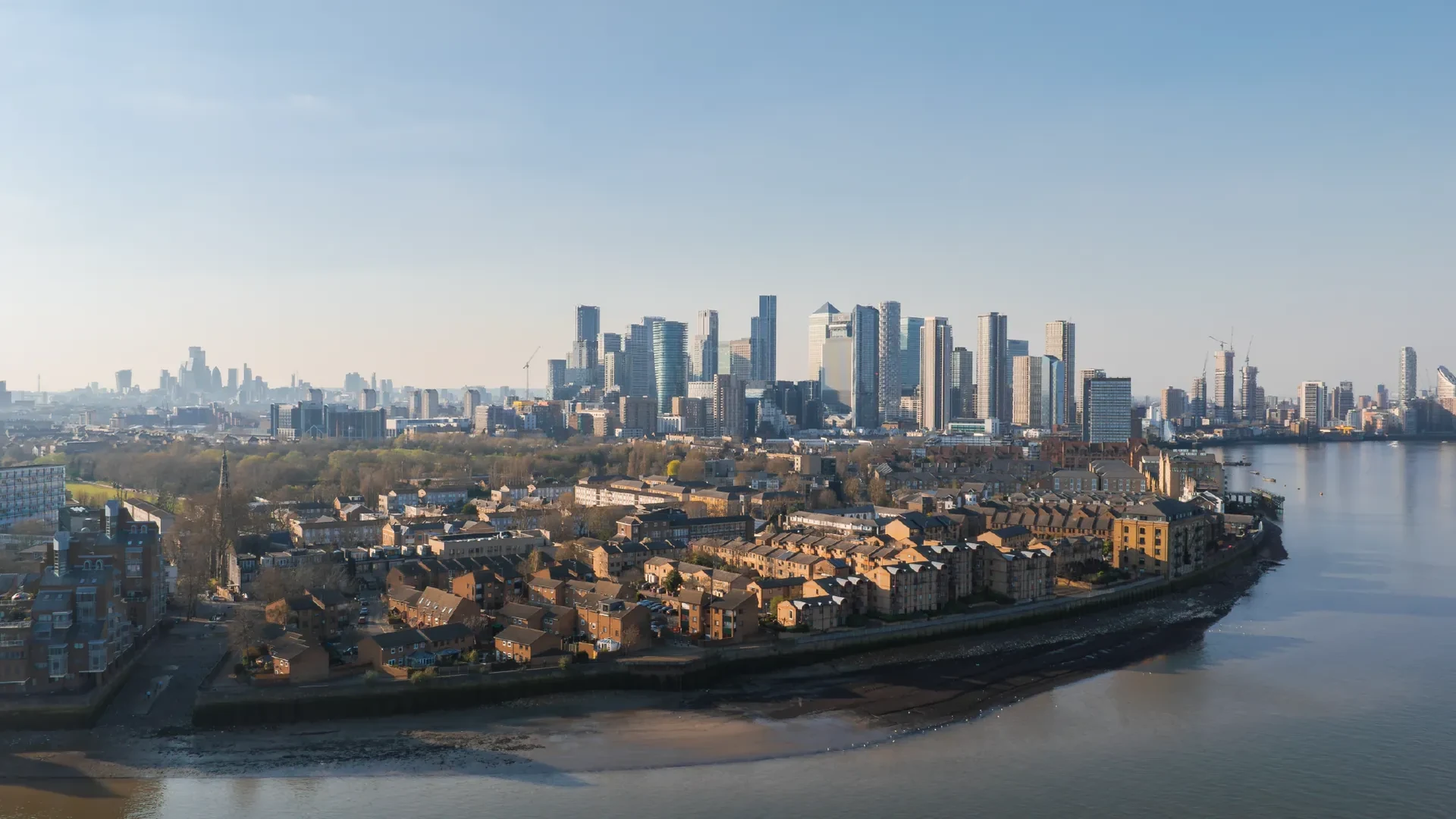
The study was done
years before the building existed
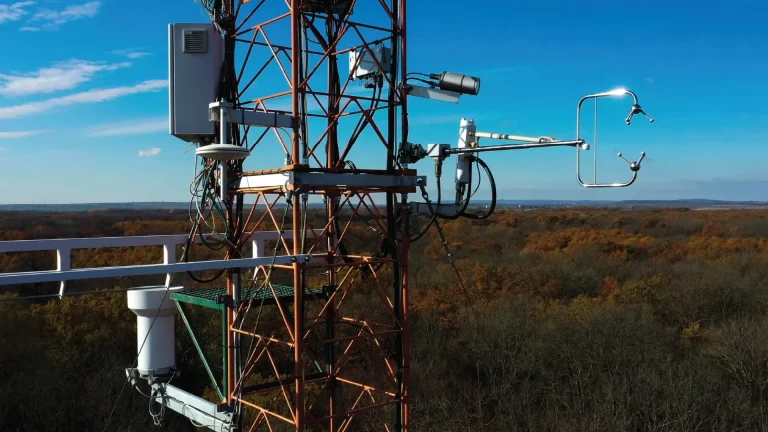
Three-axis turbulence measurement and compact street-level sensing to test a wind microclimate study against the real building, at the places people actually stand.
A model of a building that had not been built yet
Pedestrian wind comfort is assessed in a wind tunnel or a computational model at planning stage, years before the development exists and before the buildings around it were finished either.
The assessment becomes a planning condition, and sometimes a mitigation scheme of screens, canopies and planting. What almost never happens is a measurement afterwards to see whether the prediction and the mitigation were right.
When complaints arrive they are about specific places: a corner that is unusable, an entrance that cannot be held open, a terrace that was designed to be occupied. Those are gust and turbulence problems at street level, and a mean wind speed from a rooftop cannot describe them.
The building is only one part of the measurement environment
Wind on the roof, facade and at street level. Temperature, humidity and pressure for ventilation and plant. Rainfall and level for drainage. Position on dampers, barriers and doors. Condition monitoring for machinery in the plant room.
The measurement points are spread across the building and the environment around it, from a parapet or crane jib to an attenuation tank below a car park. The application determines what the instrument has to survive, how often it can be accessed and how its data needs to be used.
Gill’s technologies span these requirements, from three-axis wind measurement for microclimate and ventilation through to weather, level, position and machinery condition sensing.
Wind where the environment changes
Street-level conditions can differ dramatically from those measured on a roof. Three-axis measurement captures the full wind vector where downdraught, acceleration, turbulence and pedestrian comfort matter.
WindMaster Pro: 3-axis measurement up to 32 Hz
Measurement for difficult-to-access positions
Rooftops, facades and construction equipment can leave little appetite for frequent access. Instrument construction, environmental protection and the absence of moving sensing components all become part of the specification.
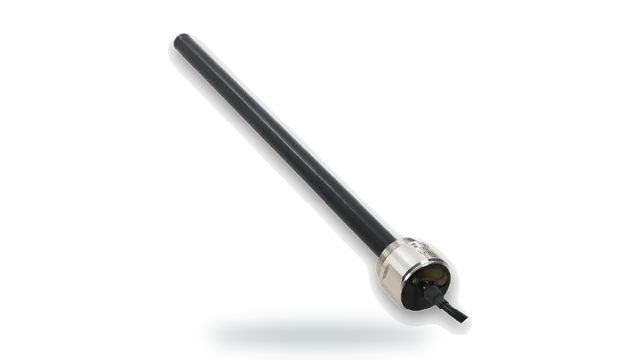
WindObserver: 316 stainless steel, IP66, heated options
Beyond wind
The built environment depends on more than weather measurement. Rainfall, liquid level, position and machinery condition all contribute to how buildings, infrastructure and plant perform.
One sensing capability across multiple building systems
From sensor to building system
Measurement only becomes useful when the data reaches the system that needs it. Gill instruments provide industrial communication and analogue interfaces for BMS, SCADA and monitoring applications.
Modbus, RS485, serial, analogue and SDI-12
Independent verification
Building portfolios rarely contain instruments from one manufacturer. Labcal provides UKAS-accredited calibration for equipment from multiple manufacturers across six measurement parameters.
One traceable calibration service across a mixed instrument estate
One building. Sixteen measurement points.
A building measures from the roof to the basement, and from the plant room to the pavement outside.
Wind above the parapet, at the facade and at the kerb. Conditions for ventilation and plant. Rainfall and level for drainage. Position on everything that moves. Measurement for the machinery that keeps the building operating.
Rooftop weather station
The roof is where a building finds out what the weather is actually doing, and it is the only place a met station can go without arguing with the architect.
- MaxiMet GMX551 wind, T, H, P, solar and rainfall in one housing
- MetConnect One Modbus and SDI-12 into the BMS
- MaxiMet GMX603 wind, T, H, P and high-accuracy optical rainfall, 5 percent or better
Rooftop plant and HVAC
Air handling responds to outside conditions, and a plant deck sheltered by its own parapet is not measuring the same air the intakes are drawing.
- MetConnect THP temperature 0.2 degrees C, humidity 1.5 percent RH
- WindMaster 3-axis for ventilation and air-flow control
- MaxiMet GMX500 wind, temperature, humidity and pressure in one unit
- WindSonic 60 2-axis ultrasonic, 0 to 60 m/s, 0.5 kg, no moving parts
Tall building wind loading
Wind loading and perceived sway are the reasons the structural model exists, and the only way to check the model is to measure the building it produced.
- WindObserver 90 0 to 90 m/s, 316 stainless, no moving parts
- WindMaster Pro 3-axis to 32 Hz for buffeting and vortex work
- WindObserver 75 open head, accurate across a wide flow angle
Facade access and cradles
A building maintenance unit stops at a wind speed, and the crew on the cradle would rather that number came from the facade than the airport.
- WindSonic 60 0 to 60 m/s, 0.5 kg, mounts on the rail or parapet
- WindObserver 75 where the facade position is severely exposed
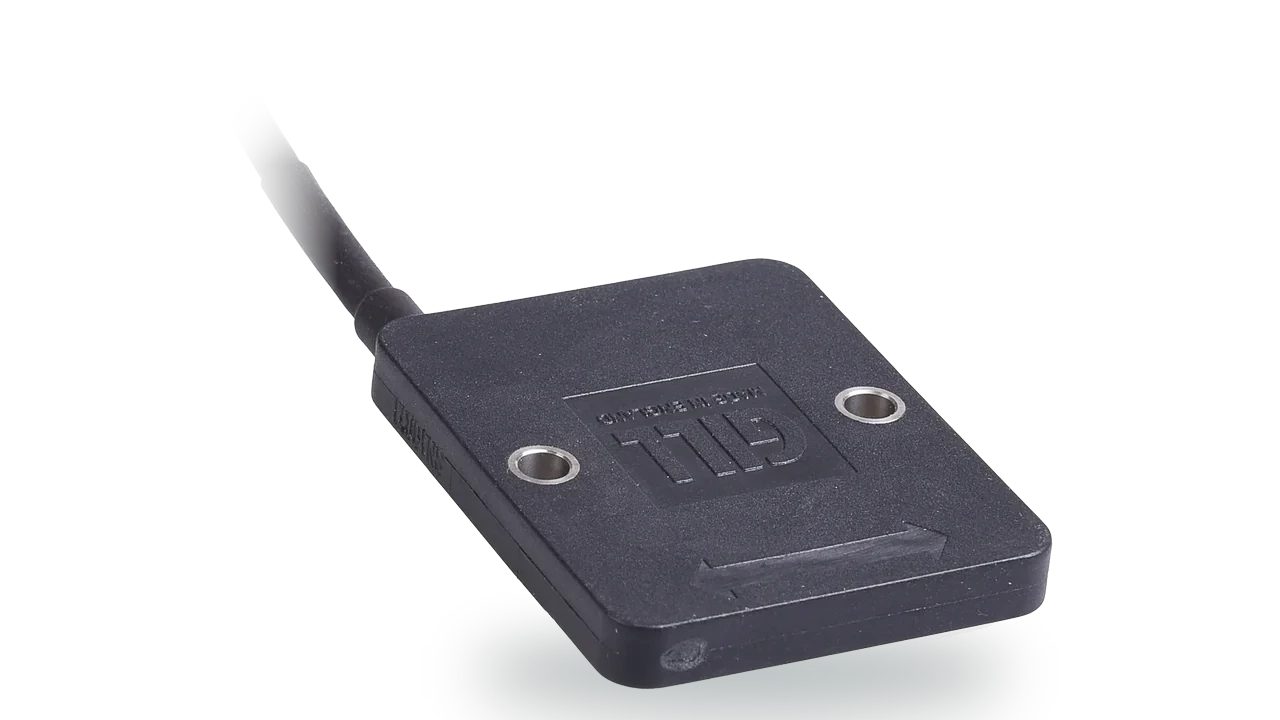
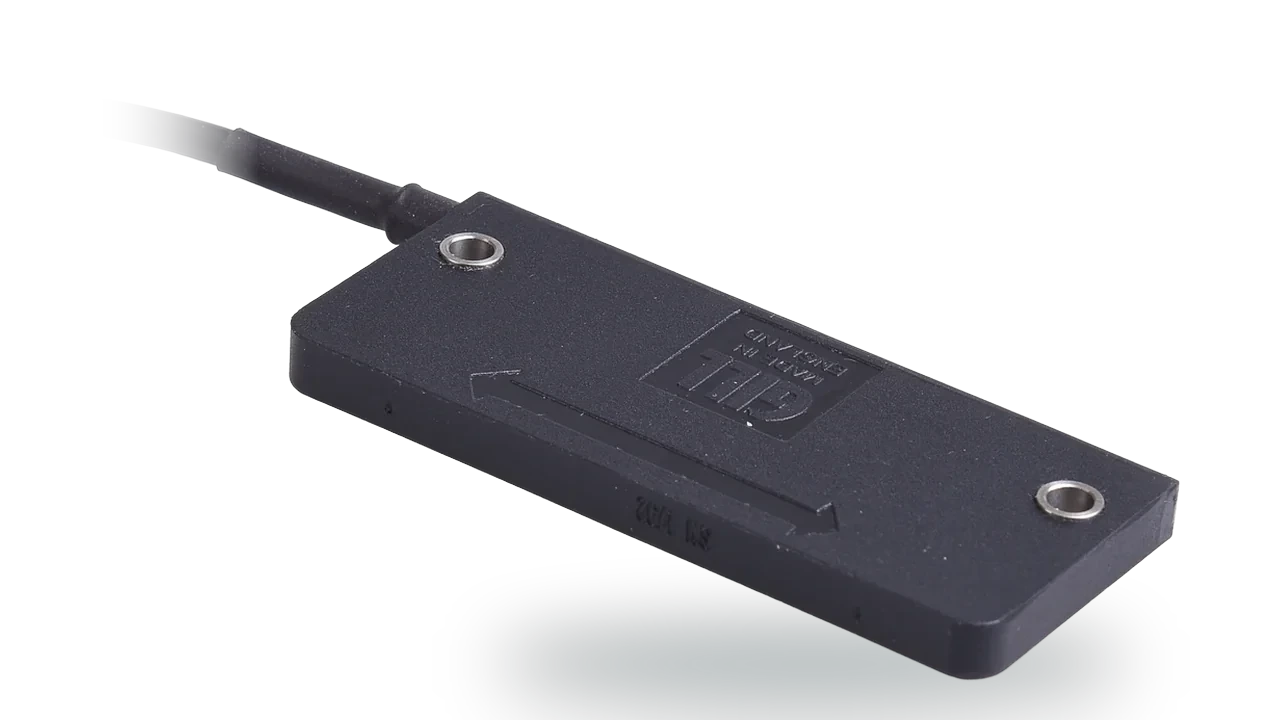
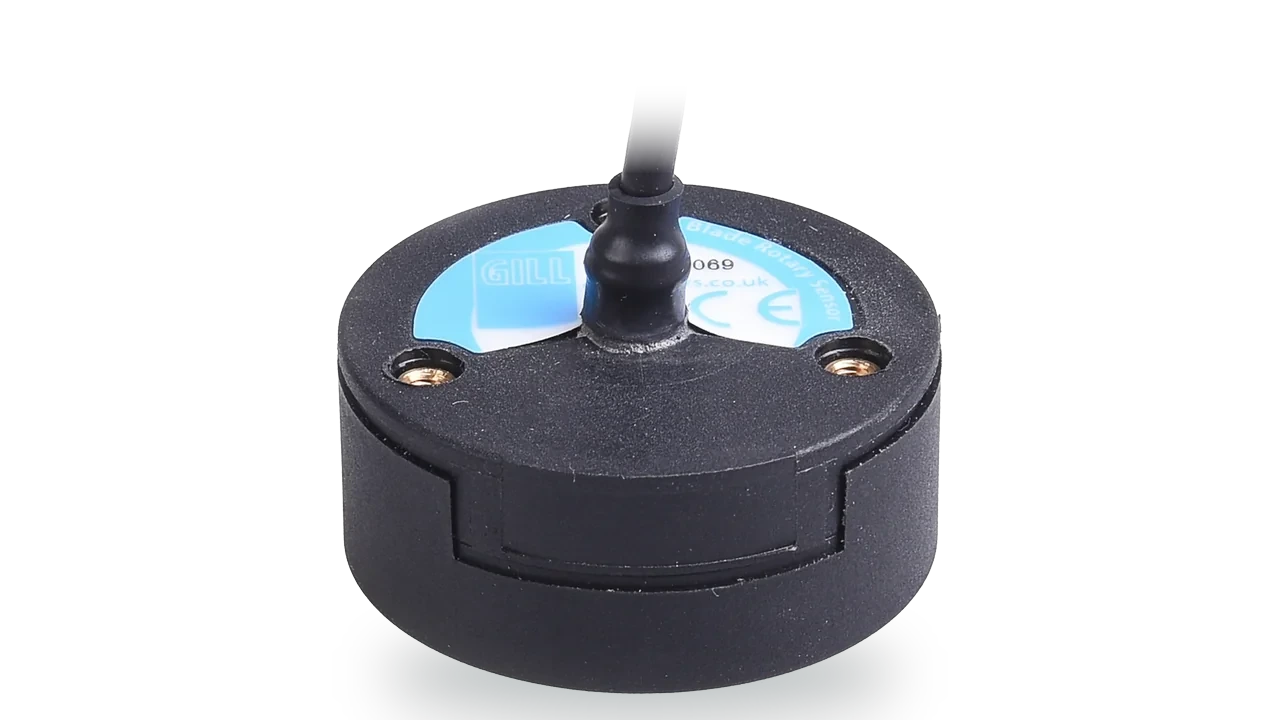
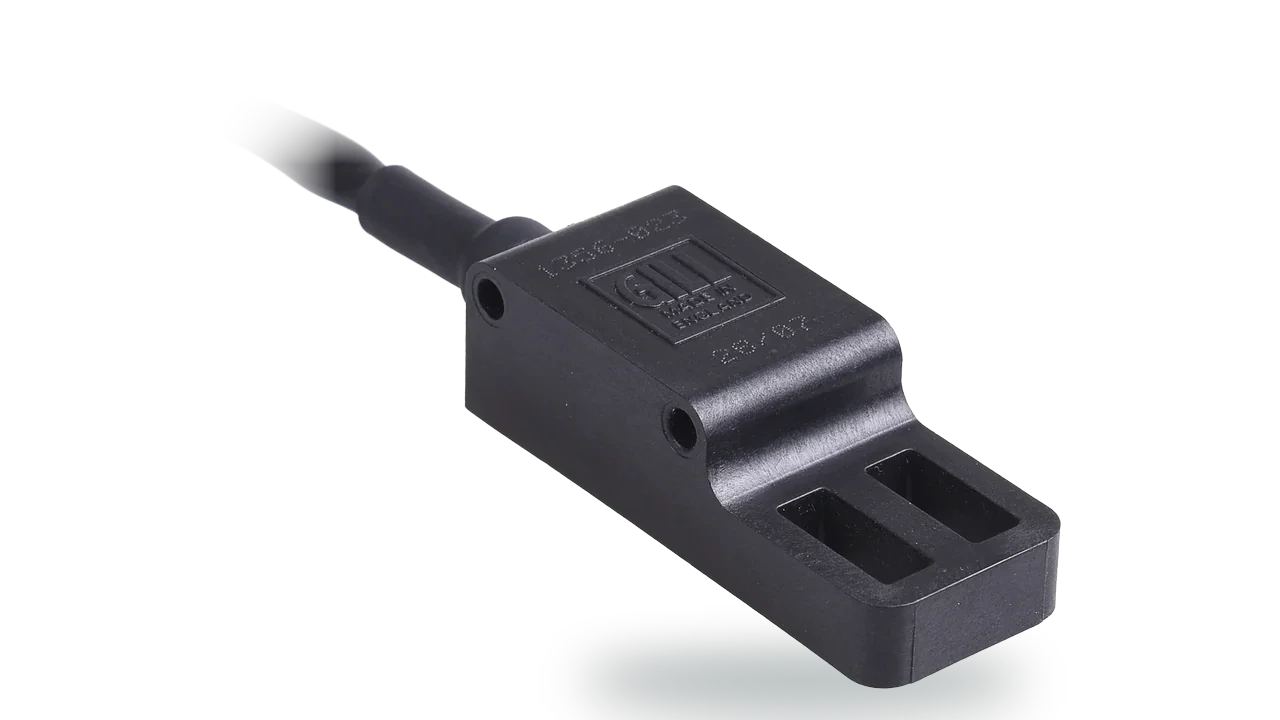
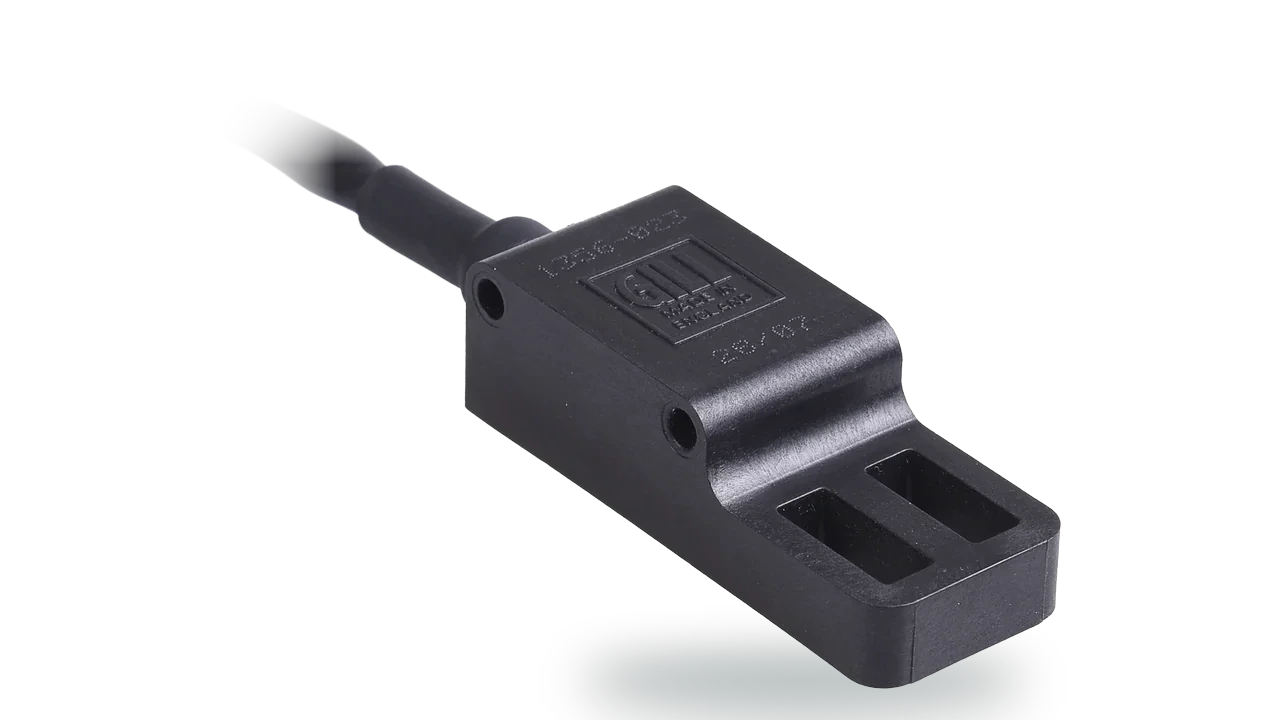
- Blade position sensors non-contact position feedback on the cradle drive
Tower crane and lifting
An urban lift stops on a wind reading taken at the jib, above a street that will be closed if it goes wrong.
- WindSonic 75 0 to 75 m/s, full-range accuracy published
- WindObserver 90 0 to 90 m/s for tall or exposed jibs
- MaxiMet GMX200 wind only, 0.5 kg, for a temporary works mast
Site hoarding and dust
Dust and noise complaints from a city site arrive with a time on them, and without wind data at the hoarding there is nothing to answer with.
- MaxiMet GMX551 wind, T, H, P, solar and rainfall at the boundary
- MetConnect One analogue inputs for dust and noise monitors
- WindSonic 60 a compact wind reference on the hoarding
Pedestrian wind comfort
A tower accelerates wind down its face and around its corners, and the people who feel it are at the bus stop rather than on the roof.
- WindMaster Pro 3-axis to 32 Hz for gust and turbulence at street level
- WindSonic 60 0.5 kg, discreet enough for a street mounting
- MaxiMet GMX200 wind only, for a short pedestrian-comfort survey
Urban heat and outdoor workers
A street of hard surfaces runs hotter than the met office figure, and the people working in it feel radiant heat rather than air temperature.
- MaxiMet GMX552 WBGT heat stress with wind, T, H and P, 1.29 kg, IP66
Green roofs and roof irrigation
A green roof is a maintenance liability if it is watered on a timer and a benefit if it is watered on a measurement.
- TruMet PW100 optical rainfall, no bucket to block with substrate
- MaxiMet GMX551 rainfall alongside solar, wind, T, H and P
- MaxiMet GMX603 wind, T, H, P and high-accuracy optical rainfall, 5 percent or better
District energy centre
Heat networks and combined heat and power are sized against outside temperature, and they run at their worst efficiency on the day nobody is watching.
- MetConnect THP reference temperature, humidity and pressure
- MaxiMet GMX500 wind, temperature, humidity and pressure in one unit
Barriers, gates and doors
A car park barrier cycles hundreds of times a day, and the sensor proving its position is the part that fails first.
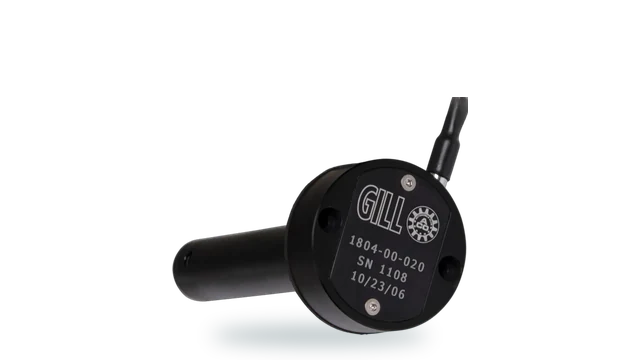
- Blade position sensors non-contact inductive, unlimited-life feedback
Kerbside air quality
An air quality reading without wind beside it cannot be attributed to the road, the site or the plant, which is exactly what everyone wants to know.
- MaxiMet GMX500 wind, temperature, humidity and pressure in one unit
- MaxiMet GMX552 WBGT heat stress with wind, T, H and P, 1.29 kg, IP66
Drainage, SUDS and attenuation
Sustainable drainage only demonstrates anything if somebody records what the attenuation tank actually did during the storm.
- TruMet PW100 optical rainfall, 0 to 200 mm/hr, no moving parts
Plant room machinery condition
Chillers, pumps and generators fail in a basement nobody visits, and the wear is in the oil before it is in the noise.
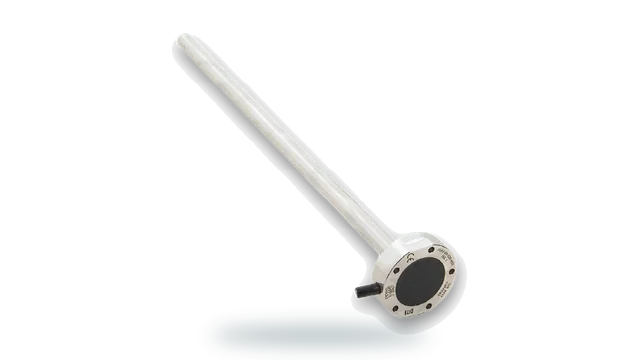
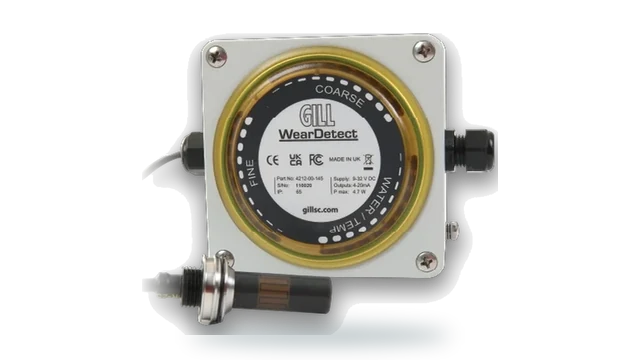
- WearDetect oil debris sensing for ferrous wear particles
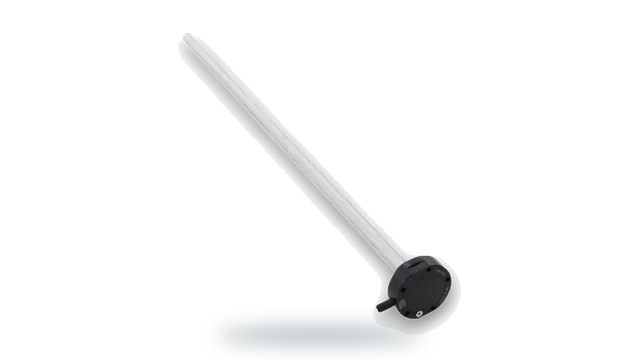
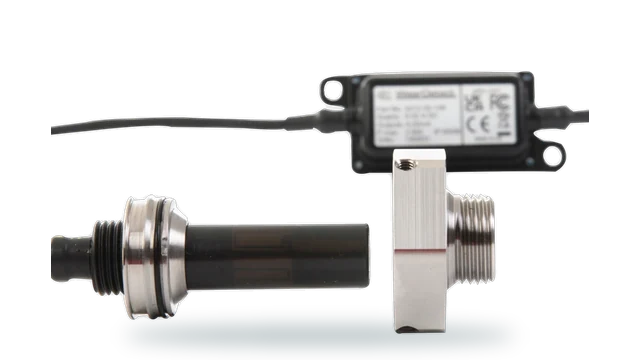
- LevelPro lubrication and coolant level with no moving parts
- DD1615 level display local indication in the plant room
Ventilation and occupant comfort
Natural ventilation and mixed-mode control open windows on a wind and temperature reading, and get complaints when the reading is from the wrong side of the building.
- WindMaster 3-axis for building and clean-room ventilation control
- MetConnect One temperature, humidity and pressure into the BMS
- MaxiMet GMX500 one unit, one cable, one output string
Duct and grille air velocity
Ventilation is balanced and signed off with vane and thermal anemometers and pitot tubes. Labcal calibrates them from 0.1 to 50 m/s.
- UKAS air velocity calibration vane, hot wire and thermal anemometers and pitot tubes, 0.1 to 50 m/s
- Labcal, UKAS Lab 0625 ISO/IEC 17025:2017, for instruments from any manufacturer
Heating and water pressure gauges
Boilers, pumps and pressurisation units are set against pressure gauges and transmitters. Labcal calibrates them, whoever made them.
- UKAS pressure calibration pressure gauges, digital indicators, transmitters, transducers and switches, 0 to 1,400 bar
- Labcal, UKAS Lab 0625 ISO/IEC 17025:2017, for instruments from any manufacturer
Flow and return temperature probes
District heating is controlled and billed on flow and return temperatures. Labcal calibrates the probes, RTDs and transmitters that measure them.
- UKAS temperature calibration temperature probes, thermocouples, RTDs, thermometers, transmitters and data loggers, -30 to +140 °C
- Labcal, UKAS Lab 0625 ISO/IEC 17025:2017, for instruments from any manufacturer
Pumped drainage flow meters
Pumped discharge from attenuation tanks is measured and reported. Labcal calibrates electromagnetic, ultrasonic and other liquid flow meters.
- UKAS liquid flow calibration electromagnetic, turbine, Coriolis, paddle wheel, positive displacement and ultrasonic flow meters
- Labcal, UKAS Lab 0625 ISO/IEC 17025:2017, for instruments from any manufacturer
Office humidity and comfort loggers
Comfort and building certification surveys log temperature and humidity floor by floor. Labcal calibrates the hygrometers and loggers used.
- UKAS humidity calibration hygrometers, humidity transmitters, combined temperature and humidity probes, dew point sensors and loggers
- Labcal, UKAS Lab 0625 ISO/IEC 17025:2017, for instruments from any manufacturer
Service vehicles: fuel and position
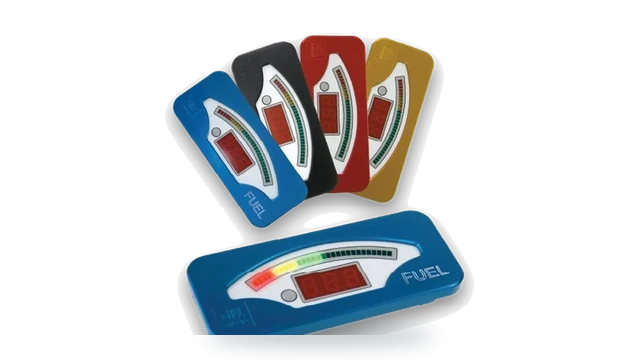
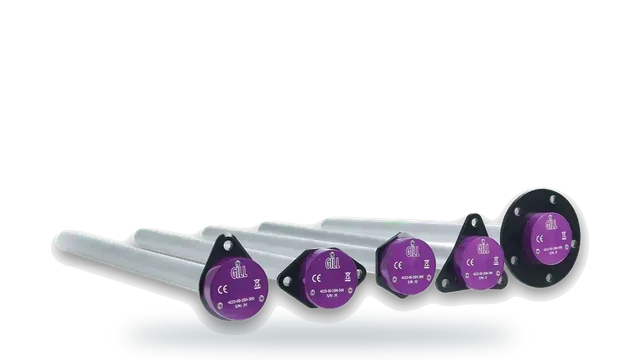
Service vans and site vehicles run on fuel that is easy to lose track of. A capacitive level sensor reports what is left in the tank with no float to stick, and non-contact position sensors give long-life feedback from pedals, steering and actuators.
Comfort criteria are gust criteria
Wind comfort criteria are written in terms of exceedance: how often a threshold speed is passed at a location, and whether that frequency suits sitting, standing, strolling or walking. They are about the peaks rather than the average.
That makes turbulence the measurement rather than mean wind speed. A location can have a modest average and be unusable because of the gusts a nearby corner is shedding into it.
Position matters more than in almost any other application. Wind comfort varies over metres around a building corner, so the measurement has to be at the place people complained about rather than nearby.
Three-axis measurement resolves the structure that buildings generate, including the downwash and corner acceleration that make a study and a reality diverge. A scalar reading averages exactly the information the criteria depend on.
Resolve the gusts the criteria are about
Comfort criteria are exceedance criteria, so the measurement has to capture short-duration peaks rather than a smoothed mean. Averaging is the one thing that destroys the quantity being assessed.
WindMaster provides three-axis measurement at 20 Hz with options up to 32 Hz, resolving the vertical component and the turbulence structure that buildings shed, which is what a verification study needs.
Peaks measured, not smoothed
View WindMasterMeasured where people stand
Wind comfort changes over metres. A measurement at a rooftop reference is a different quantity from the conditions at a doorway, and the doorway is what the complaint is about.
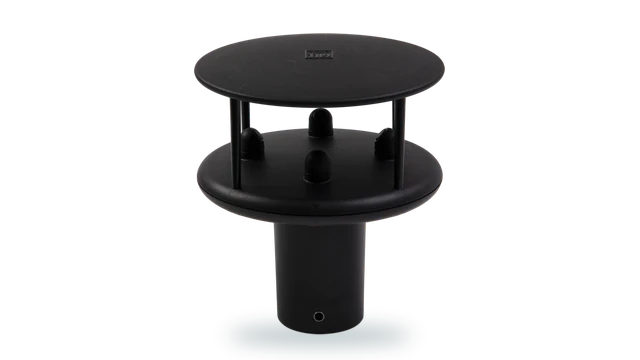
Compact sensing makes street-level positions practical. GMX200 measures wind at 0.5 kg and WindUltra is a small 2-axis anemometer sealed to IP69k, both mountable on street furniture, facades and temporary masts without a structural case.
At the corner, not on the roof
View WindUltraA planning condition is a long-term obligation
Wind comfort conditions attach to a development and persist. If a location does not perform, the question is what the study predicted, what was built, and what the conditions actually are.
A measured record is the only one of those three that can be established after the fact, and it is what makes a mitigation scheme arguable rather than speculative.
Labcal is an independent UKAS-accredited laboratory operating to ISO/IEC 17025:2017, calibrating equipment from any manufacturer, which matters when a measurement supports a planning position.
What a wind comfort study measures
Three-axis measurement for the turbulence the criteria are written about, and compact sensing for the street-level positions that matter.
Turbulence and reference
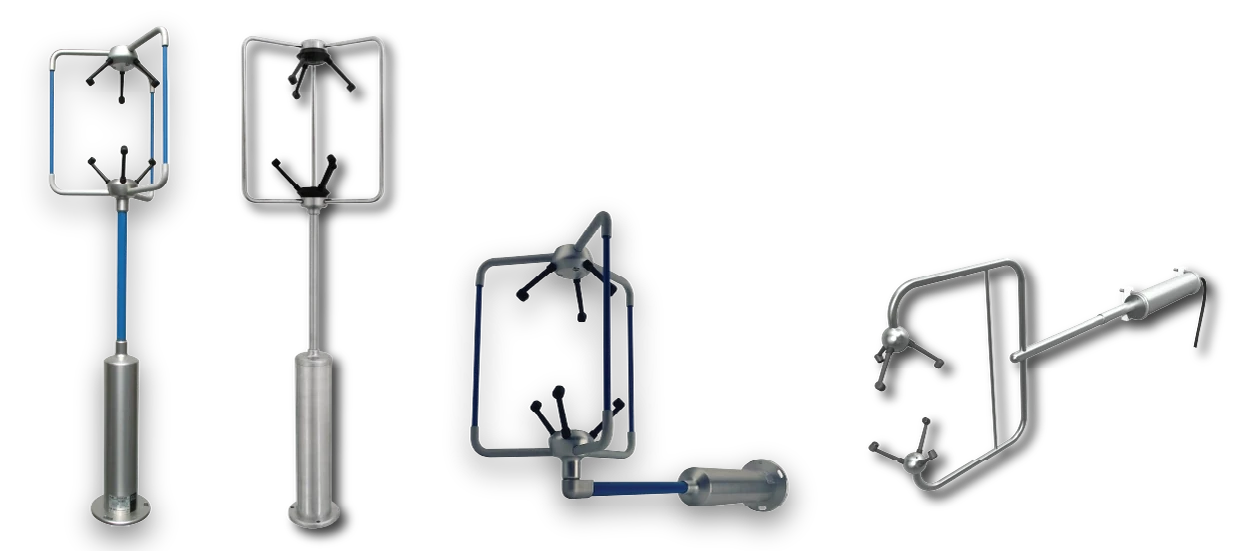
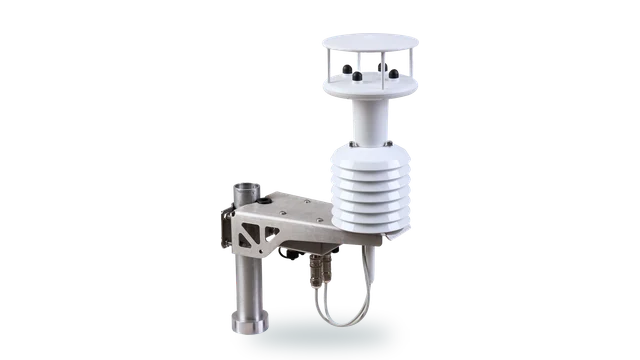
WindMaster
3-axis ultrasonic anemometer
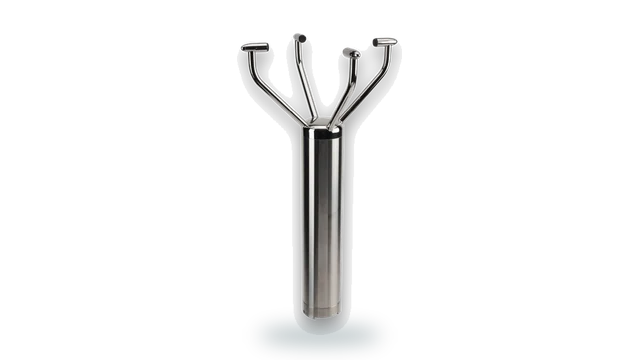
Three-axis measurement at 20 Hz with options up to 32 Hz, resolving the gust structure a comfort criterion is written about.
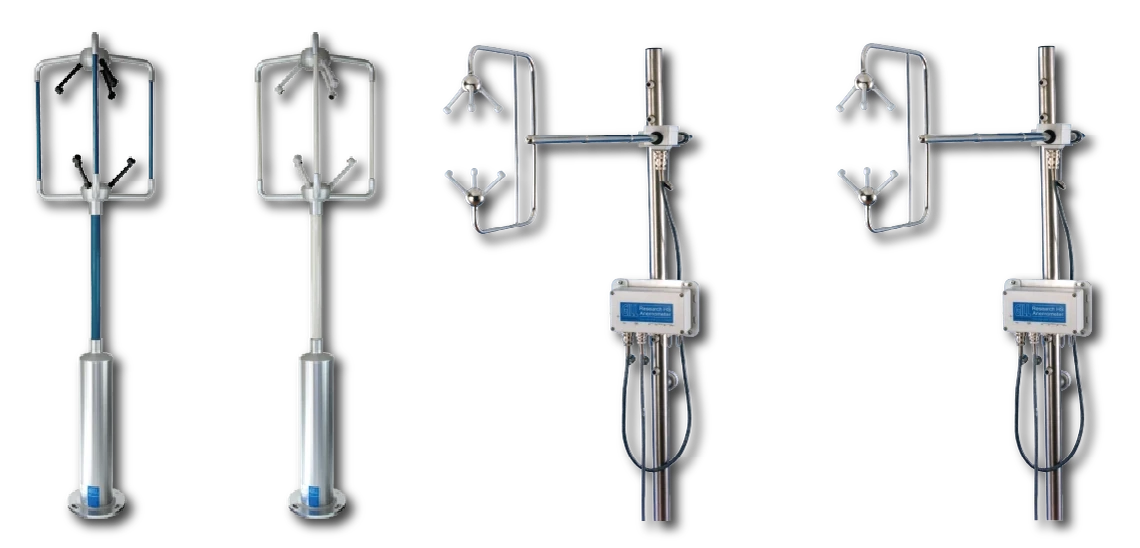
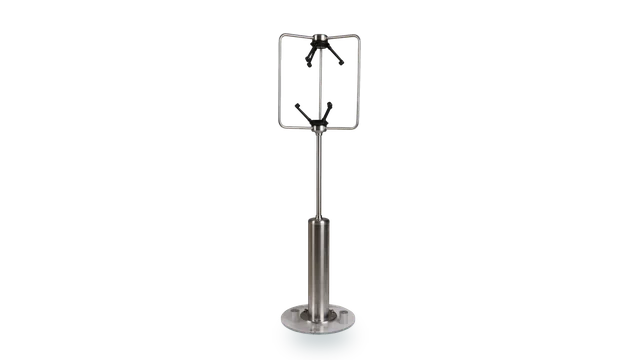
Research range
50 Hz and 100 Hz 3-axis anemometers
50 Hz and 100 Hz three-axis measurement at 14-bit resolution where the flow structure itself is the subject.
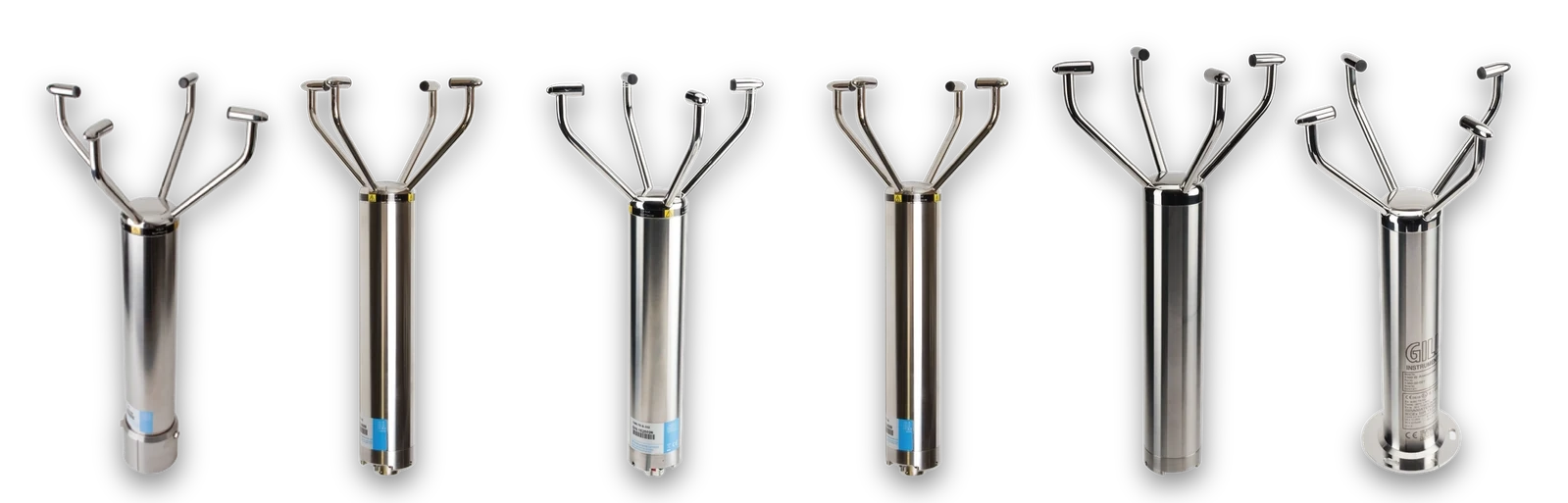
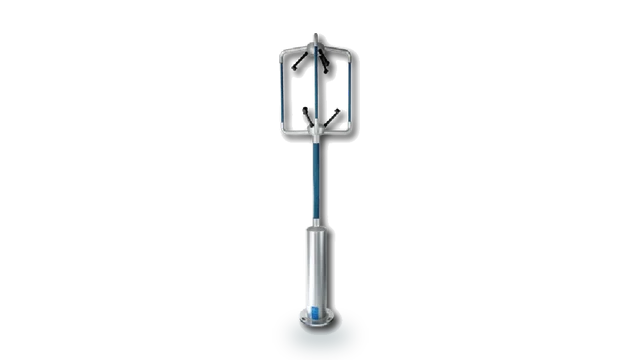
WindObserver
Heated 316 stainless open-head 2-axis anemometer
Heated 316 stainless for the undisturbed reference the street-level measurements are compared against.
Street level
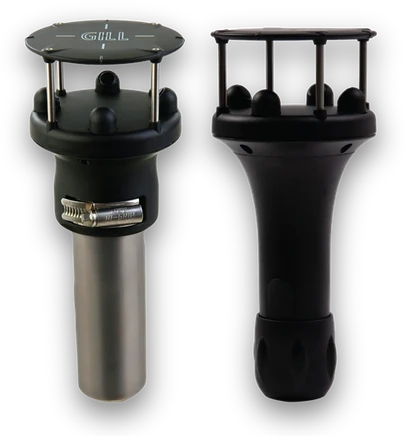
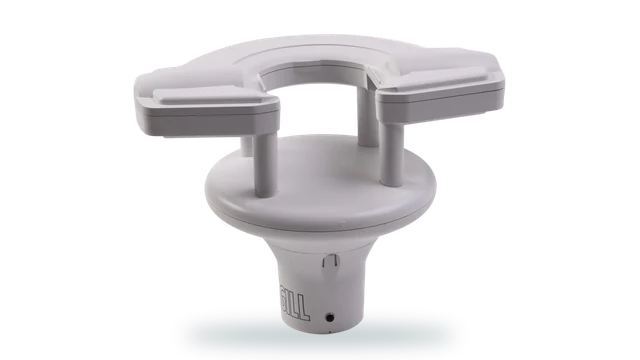
WindUltra
Compact 2-axis ultrasonic anemometer
A small 2-axis anemometer sealed to IP69k, mountable on street furniture, facades and temporary masts.
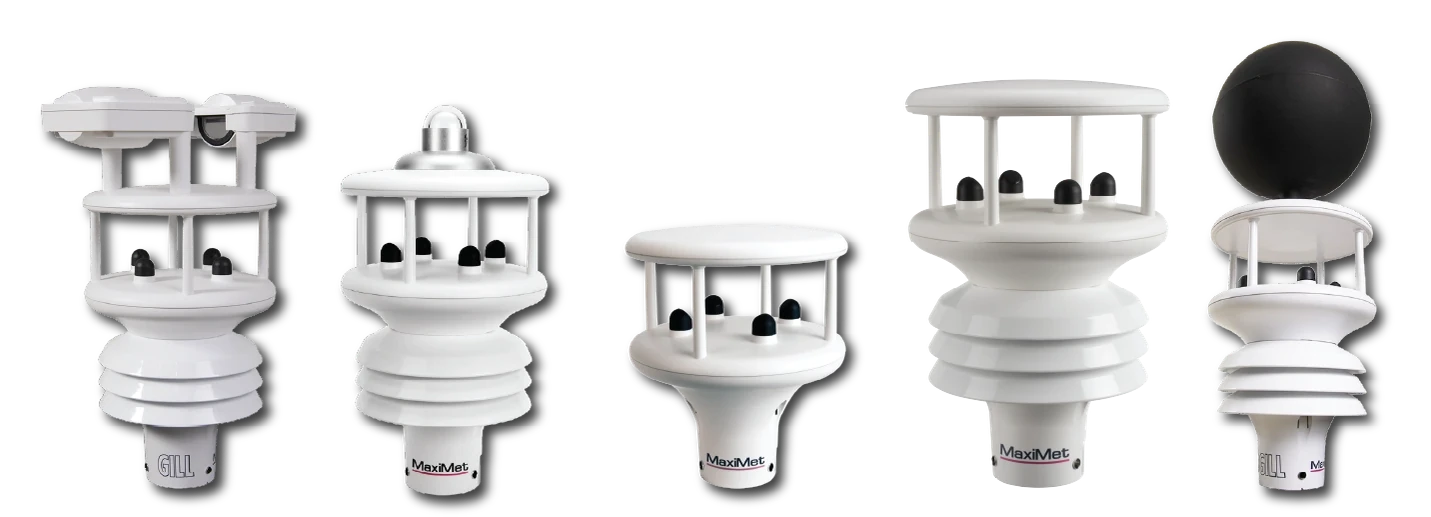
MaxiMet
All-in-one weather station, no moving parts
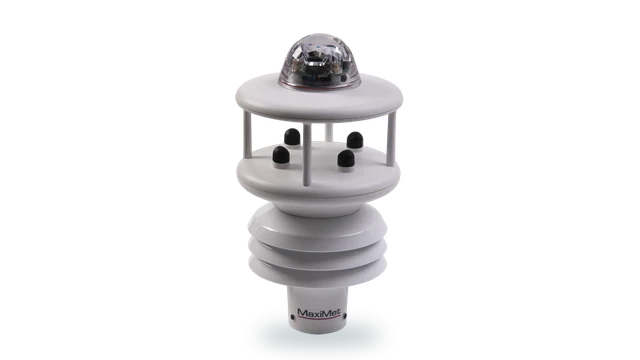
Wind, temperature, humidity, pressure, solar radiation and rainfall from one unit where the study needs the wider record.
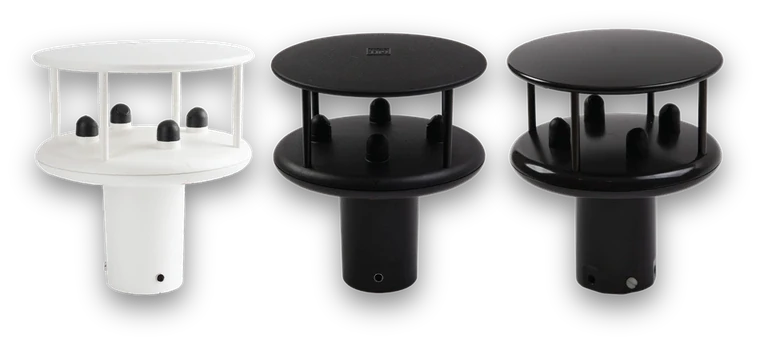
WindSonic
Lightweight 2-axis ultrasonic anemometer
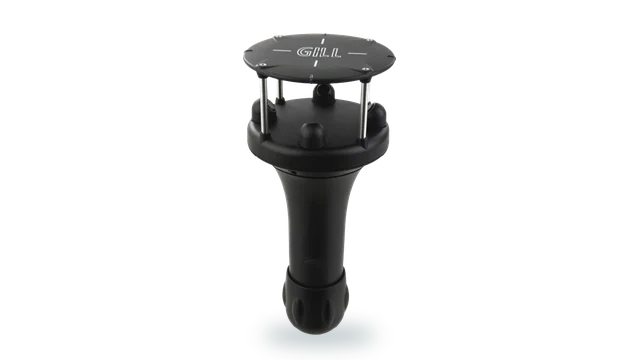
Lightweight ultrasonic measurement at 0.5 kg for multiple survey points around a development.
Where wind comfort measurement does the work
Downwash and corners
Verifying predicted conditions at the base of buildings that generate their own microclimate.
Squares and terraces
Spaces designed to be occupied, assessed against whether they actually are.
Doors and lobbies
Locations where wind decides whether a door is usable and a lobby works.
Screens and planting
Measuring before and after, so mitigation is judged rather than assumed.
Post-completion
Verification where a condition attached to consent requires it.
Phased development
Measurement as a site builds out, when each phase changes the last one.
UKAS-accredited calibration for six measurement parameters
Labcal is an independent UKAS-accredited calibration laboratory, Lab 0625, operating to ISO/IEC 17025:2017. It provides calibration across gas and air flow, air velocity, liquid flow, pressure, temperature and humidity.
For a verification study carrying anemometers, thermal probes, pressure instruments, temperature and humidity probes and data loggers, one accredited laboratory keeps the whole measurement set on a single traceable schedule.
Gas meters · Mass flow controllers · Dispensing systems
Anemometers · Pitot tubes · Thermal probes
Flow meters and sensors · Process control equipment
Gauges · Transducers · Manometers · Transmitters
Thermometers · Probes · Thermocouples · Data loggers
Hygrometers · Probes · Transmitters
Getting survey data into the assessment
A wind comfort study produces synchronised measurement from several positions, and reconciling time bases afterwards is what usually costs the analysis budget.
Gill supports environmental monitoring, industrial sensing, embedded electronics and systems integration, so consultants, developers and local authorities can bring survey measurement into acquisition and analysis chains.
Whether the requirement is a digital output into an acquisition system, Modbus into a site network, SDI-12 into a logger, or analogue into an existing channel, Gill engineers can support integration from specification through commissioning.
Outputs and options
- Modbus RTU : Site systems and SCADA
- SDI-12 & serial : Loggers and remote telemetry
- 4-20 mA & 0-10 V : Existing analogue channels
- Traceable calibration : So the record holds up on review
What the specification looks like in practice
Gusts rather than means
Comfort criteria are exceedance criteria, and averaging destroys the quantity being assessed.
Three axes around buildings
Downwash and corner acceleration have a vertical component that a 2-axis instrument cannot resolve.
Street-level measurement
Wind comfort changes over metres, so a rooftop reference describes a different quantity from a doorway.
Small enough for street furniture
WindUltra is compact and sealed to IP69k, and GMX200 measures wind at 0.5 kg.
Nothing to service in public
No rotating element to foul or seize on equipment mounted where the public can reach it.
Traceable for a planning position
Independent UKAS-accredited calibration across six parameters, for equipment from any manufacturer.
Questions about pedestrian wind comfort
Because comfort criteria are exceedance criteria. They describe how often a threshold is passed at a location, so the peaks are the quantity and the average hides them.
A location can have a modest mean and be unusable because of gusts shed from a nearby corner.
Because downwash and corner acceleration have a substantial vertical component, and a 2-axis instrument cannot resolve it. WindMaster provides three-axis measurement at 20 Hz with options up to 32 Hz.
At the locations in question, which is usually where a complaint originated or where the study predicted a problem. Wind comfort varies over metres, so nearby is not the same as there.
It can measure what the conditions actually are, which is the missing term in the comparison. The study, the as-built geometry and the measurement together are what make a verification meaningful.
Long enough to capture the directions and conditions the criteria are assessed against, which is a study design question rather than an instrument one. The engineering team can advise on the measurement arrangement.
Yes. Labcal is an independent UKAS-accredited calibration laboratory, Lab 0625, operating to ISO/IEC 17025:2017, calibrating equipment from any manufacturer across gas and air flow, air velocity, liquid flow, pressure, temperature and humidity.
Speak to our team
Tell us what you need to measure, where and under what conditions. We'll help you work out the appropriate approach.
We aim to respond in one working day.