










Let the wind cool the wire
A static rating assumes a hot, sunny day with barely any wind, all year. Dynamic line rating uses the weather the conductor actually sees. Gill provides that measurement: wind, temperature and solar radiation, from the span itself.
The grid needs more capacity.
Much of it is already strung between the towers.
A conductor’s rating is the current it can carry before it runs too hot, sags too far or loses strength. Most overhead lines are still rated on fixed assumptions: a hot day, full sun and barely any wind. On most days the real weather cools the conductor far more than that, so the capacity exists but the operator cannot safely use it.
Connections are queuing for headroom that is already there. National Grid reports that dynamic line rating lets a circuit carry about 8 per cent more on average, and in April 2026 it announced a rollout to 39 circuits and more than 900 km of its network, most of it due by 2028.
The rating is only as good as the weather behind it. Conductor cooling is most sensitive to light winds and to the angle the wind makes with the line, which is exactly where a mechanical anemometer is weakest. The wrong wind number either wastes capacity or runs the line hotter than its design allows.
The conductor sets the limit. The weather decides how close you can run to it.
A thermal rating balances the heat a conductor gains from its current and from the sun against the heat it loses to the air. The standard calculation methods, IEEE 738 and CIGRE Technical Brochure 601, use the same weather inputs: air temperature, solar radiation, and wind speed and direction relative to the conductor.
Wind across the line matters most. Wind blowing across a conductor cools it far more than wind blowing along it, and the first few metres per second do most of the work. A sensor that cannot resolve light winds, or misreads direction, moves the rating more than any other input.
The weather has to be local. An exposed ridge, a sheltered valley and a river crossing can see very different conditions along one circuit. Schemes measure at the spans that limit the circuit, the critical spans, rather than relying on one distant station.
The data becomes evidence. Grid operators increasingly treat the weather data behind a rating as an auditable input. A sensor that reports its own status, and an instrument that can be verified against a traceable reference, are part of what makes a higher rating defensible.
Where a circuit’s rating is decided
A dynamic rating is built from weather measured at the spans that limit the circuit, and checked against the conditions at the substation that dispatches it. Each point below shows what is measured there and which sensing fits.
Span weather station
Every thermal rating method needs the same weather: wind, air temperature and solar radiation. One unit on one bracket means one cable, one output string and one thing to verify.
- MaxiMet GMX501 wind, temperature, humidity, pressure and solar radiation, 0.8 kg, IP66
- MaxiMet GMX551 adds rainfall, for wet conductors and icing context
- MetConnect where sensors have to sit at separate heights or third-party inputs join the same logger
Line-mounted and pole-top units
Many DLR platforms build their own line-mounted or pole-top units. Gill does not make the rating platform; it supplies wind sensing that integrators build in.
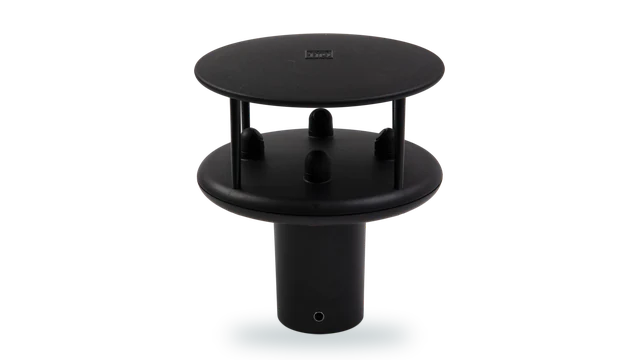
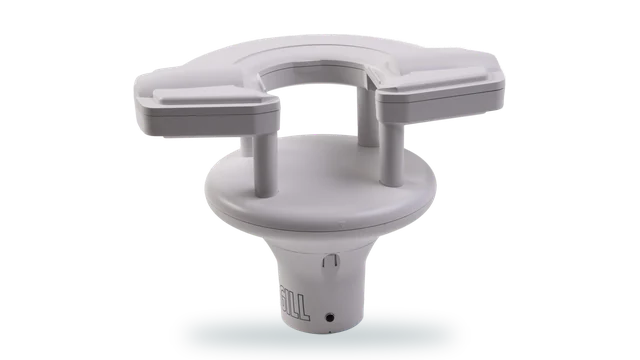
- WindUltra 270 g with its pole mount, IP69k, under 100 mW without heating in calm conditions
- WindSonic 60 0.5 kg, digital and analogue outputs, a status code on every output
Wind across the critical span
The span that runs hottest limits the whole circuit. It is usually the one where the wind is lightest or runs along the line, so the measurement has to hold up in near calm.
- WindSonic 60 ultrasonic, 0 to 60 m/s, under 2 per cent RMSE or 0.2 m/s up to 20 m/s
- WindSonic 75 0 to 75 m/s where the site sees higher extremes
- WindSonic M heated hard-anodised aluminium, operating to -40 degrees C
Exposed and icing spans
Spans on ridges and coasts see the highest winds and the worst icing. A sensor that ices up stops reporting the wind at the moment the line is loaded hardest.
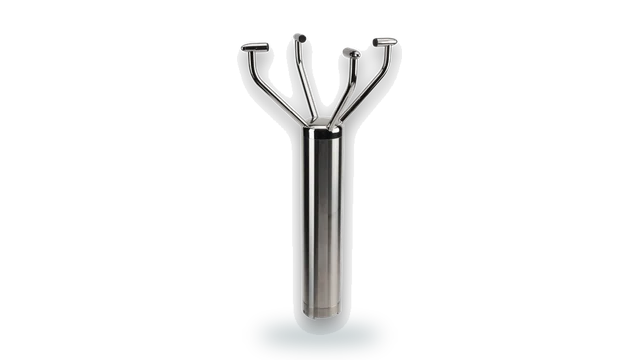
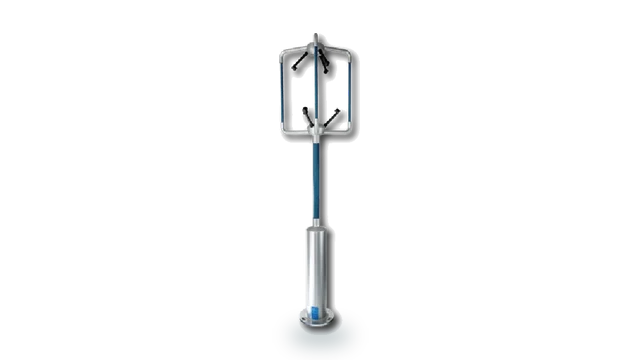
- WindObserver 75 heated 316 stainless open head, 0 to 75 m/s, IP66
- WindObserver 90 0 to 90 m/s where the extremes justify it
- WindUltra heated as standard, IP69k, for remote or unattended spans
Sheltered and complex terrain
In valleys, cuttings and at height the flow is rarely level. Where the vertical component matters, a 3-axis measurement shows what a 2-axis sensor cannot.
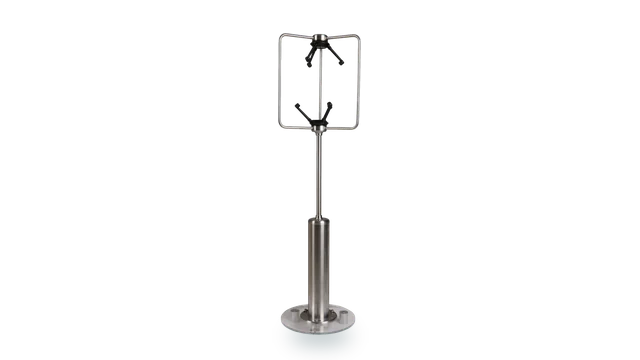
- WindMaster Pro 3-axis ultrasonic, U, V and W wind components
- WindMaster 3-axis for general-purpose flow and turbulence measurement
Substation weather
The substation that dispatches the circuit is often the easiest place to power and network a reference station, and a place where rainfall and temperature help explain the ratings afterwards.
- MetConnect each sensor sited where the standard needs it, with third-party inputs
- TruMet PW100 infrared optical rain gauge, no moving parts
- MaxiMet GMX551 wind, temperature, humidity, pressure, solar and rainfall in one unit
Line crew platforms: position and fuel
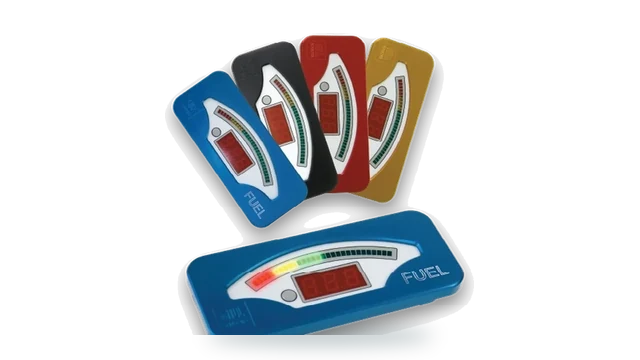
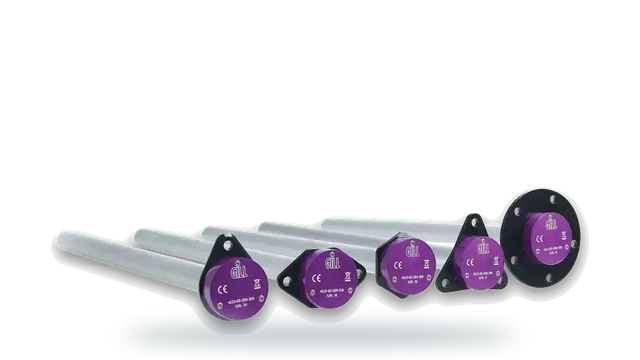
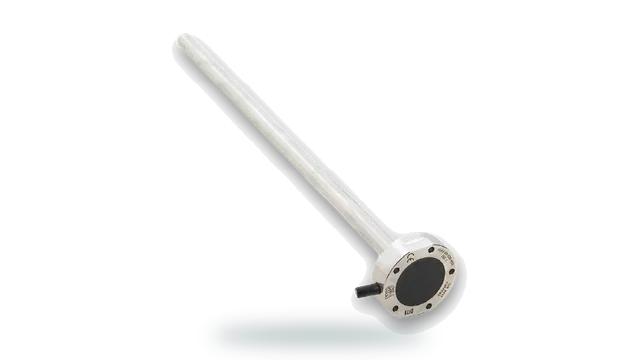
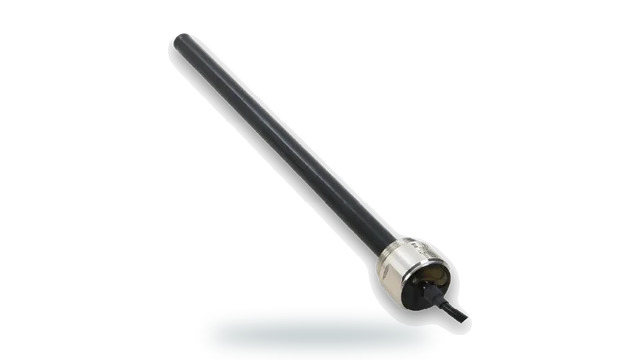
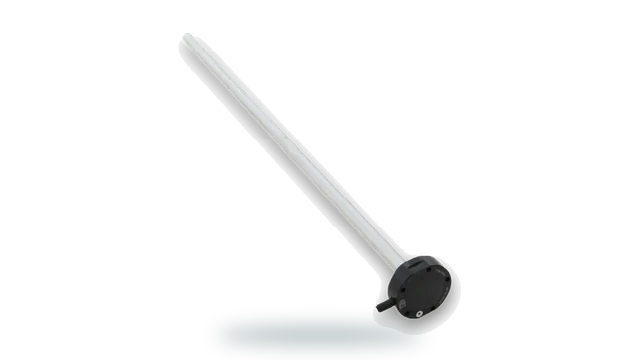
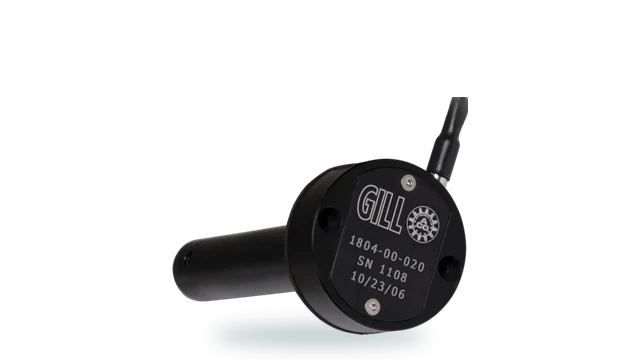
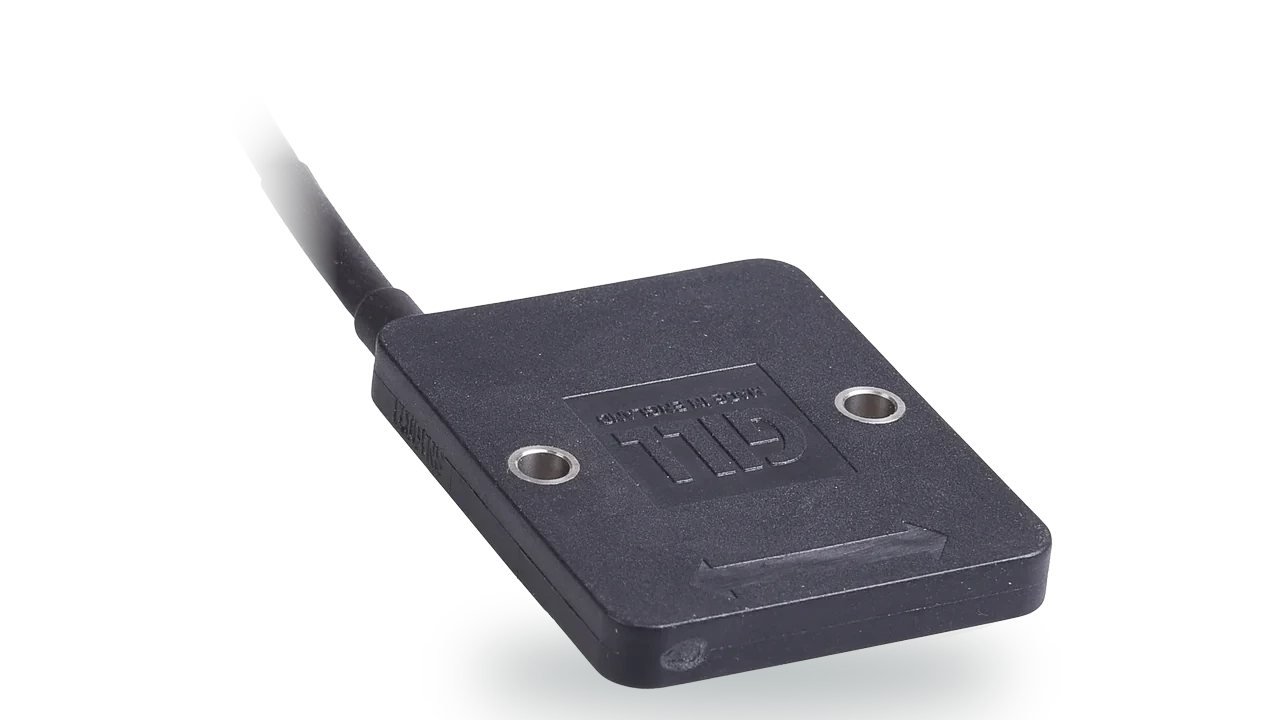
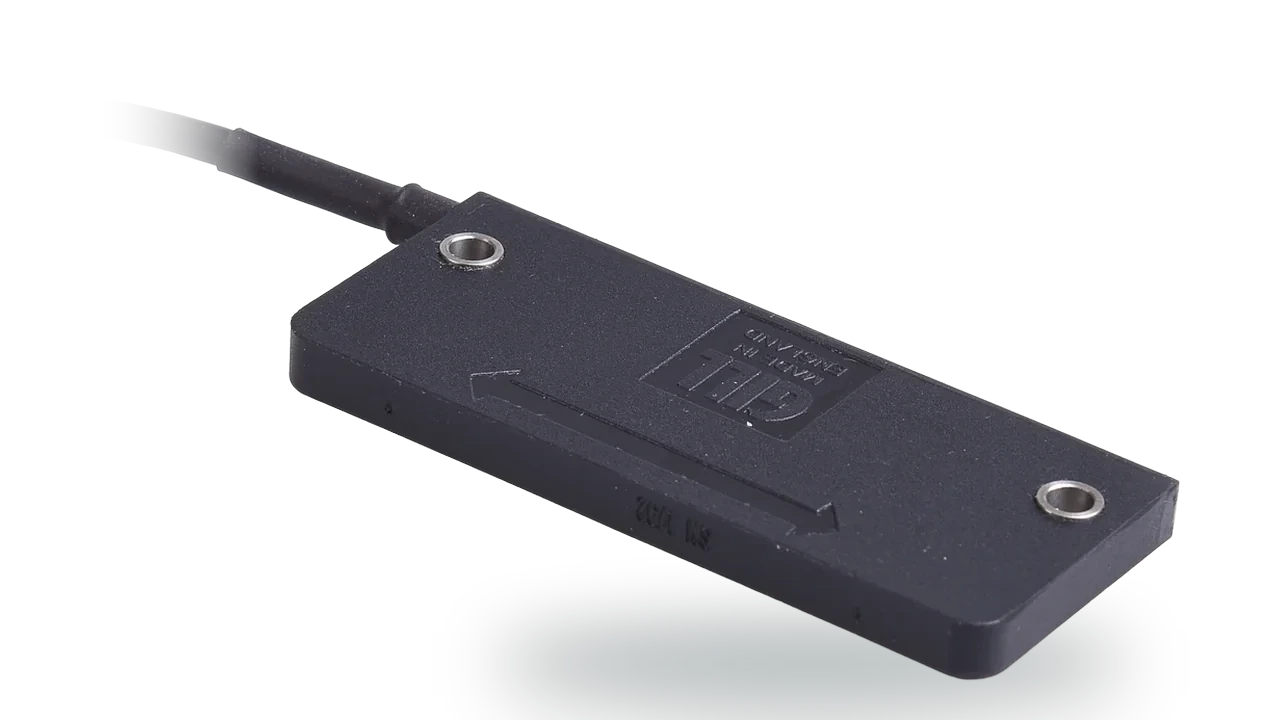
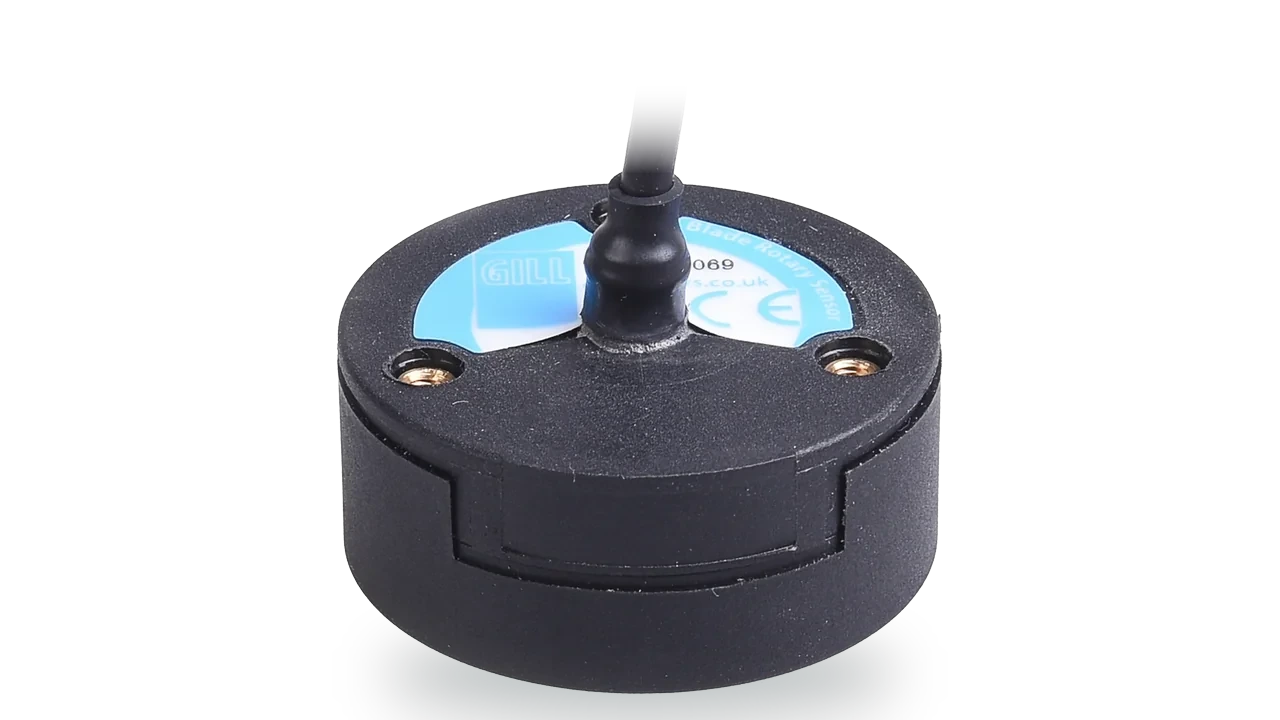
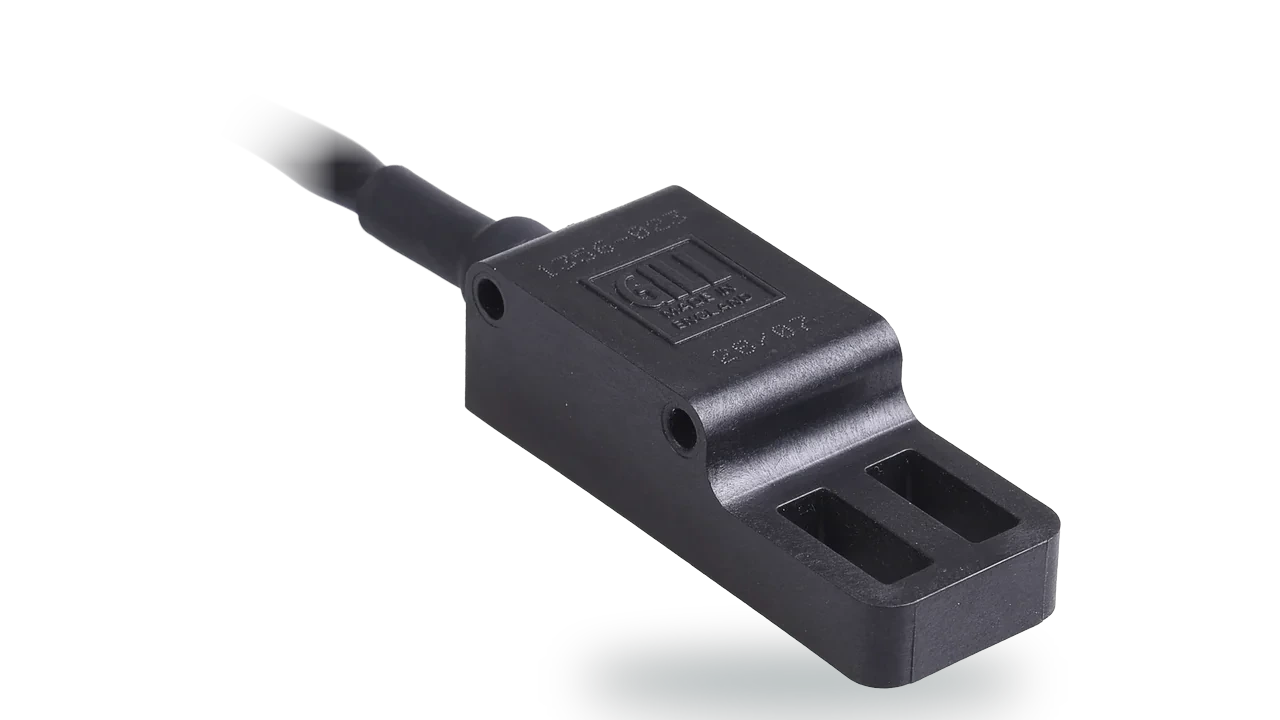
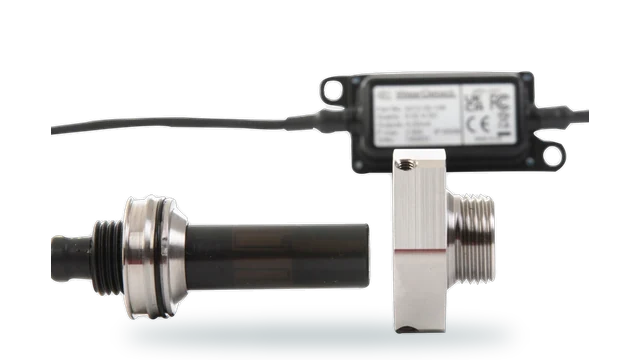
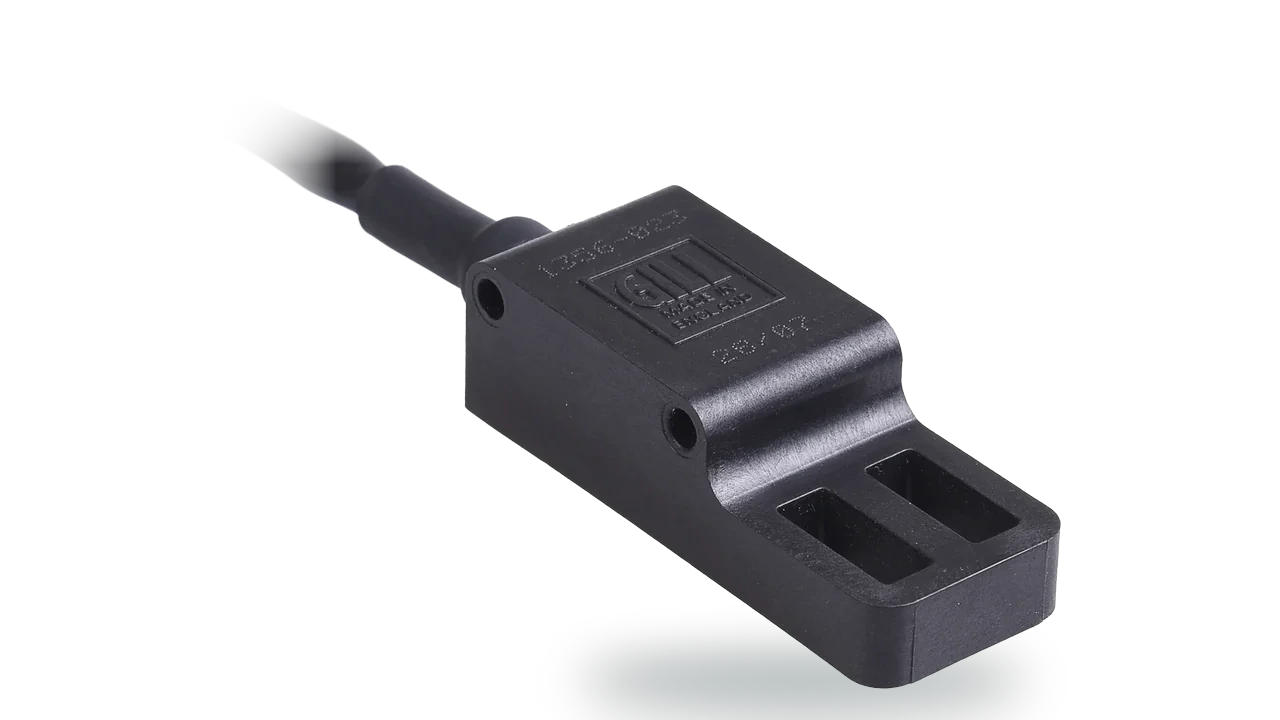
Line work happens from aerial platforms and service vehicles. Non-contact position sensors give long-life feedback from booms and outriggers, and capacitive level sensors report fuel with no float to stick.
Anemometer calibration
The wind number behind a rating is only defensible if the instrument can be verified. Labcal calibrates anemometers and air velocity instruments from any manufacturer.
- UKAS air velocity calibration anemometers and air velocity instruments, traceable to national standards
- Labcal, UKAS Lab 0625 ISO/IEC 17025:2017, for instruments from any manufacturer
Wind measured right down to calm
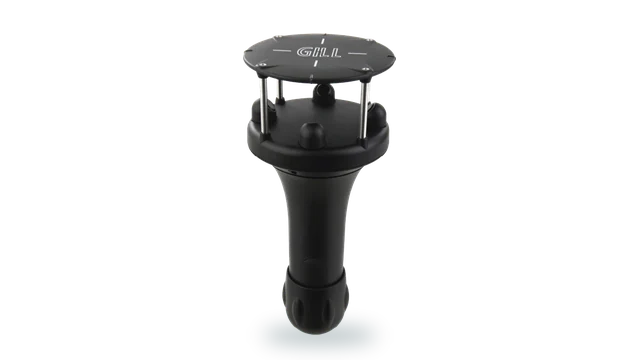
WindSonic measures wind ultrasonically, from the time sound takes to cross between its transducers. There are no cups, vanes or bearings to ice, foul or seize, and no start-up threshold for a rotor to overcome, so the light winds that decide a conductor’s cooling are measured rather than lost. Direction covers the full 360 degrees with no dead band.
Every output carries an instrumentation status code, so a DLR platform can tell a genuine calm from a failed sensor. Outputs suit the logger or RTU rather than the other way round: RS232, RS422 and RS485, Modbus RTU, SDI-12, and 0 to 5 V, 0 to 20 mA or 4 to 20 mA analogue, depending on model and option. Accuracy is published across the whole range rather than at one convenient speed: under 2 per cent RMSE or 0.2 m/s from 0 to 20 m/s and under 3 per cent from 20 to 60 m/s, with WindSonic 75 holding under 5 per cent from 60 to 75 m/s, established by independent wind-tunnel testing. Direction is 2 degrees RMSE.
WindSonic 60 0 to 60 m/s, 0.5 kg. WindSonic 75 0 to 75 m/s. WindSonic M heated hard-anodised aluminium, operating to -40 °C.
A status code on every output, so a failed sensor cannot read calm
Explore WindSonicWind, temperature and solar from one bracket
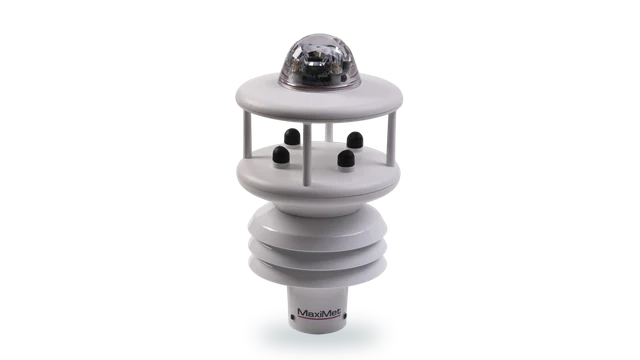
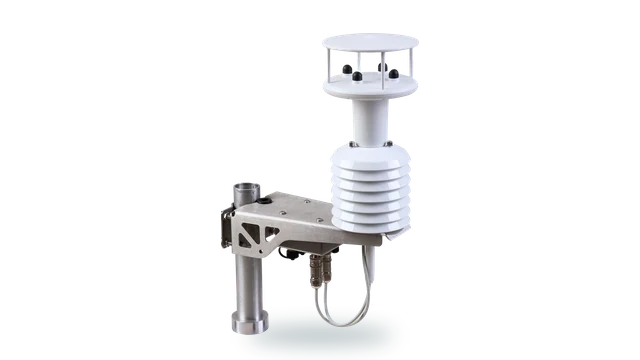
A thermal rating needs more than wind. MaxiMet combines ultrasonic wind with air temperature, humidity, pressure and solar radiation in one compact unit, with one cable and one output string. Fewer separate instruments on a tower means fewer things to align, power, verify and climb to.
MaxiMet GMX501 wind, temperature, humidity, pressure and solar radiation, 0.8 kg, IP66. MaxiMet GMX551 adds rainfall, which matters for wet-conductor cooling and icing. MetConnect where the scheme needs sensors at separate heights, or third-party sensors on the same logger.
The span on the ridge can set the rating for the whole circuit
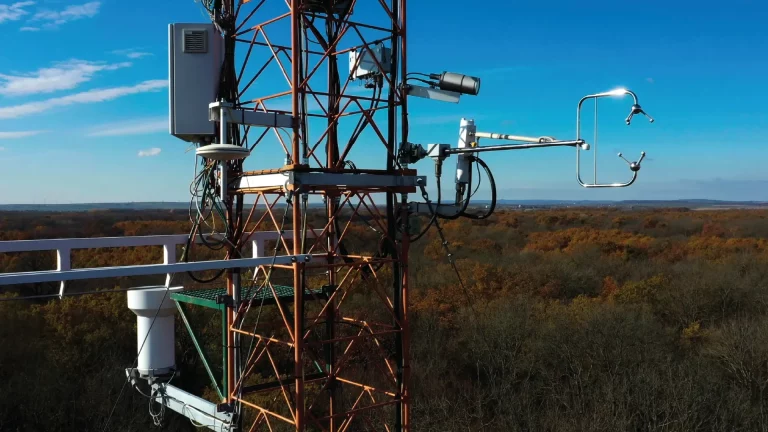
The spans that limit a circuit are often the hardest to measure: ridges, coasts and high ground where icing and extreme winds are common, or valleys and cuttings where the flow is anything but level. Gill wind sensors have been fitted to transmission towers in Australia, Northern Ireland, Uruguay and South Korea, and WindMaster has been used where the vertical component of the wind matters, including in Switzerland.
WindObserver 75 heated 316 stainless steel open head, 0 to 75 m/s, IP66. WindObserver 90 0 to 90 m/s. WindMaster Pro 3-axis ultrasonic, for terrain where the wind does not blow level. Where a scheme needs the vertical component, Gill recommends WindMaster Pro at 32 Hz.
Measured where the line is most exposed, not where the mast is easiest
Explore WindObserverExplore WindMasterWe supply the measurement, not the rating
Dynamic line rating platforms calculate the rating, using sensors on the line, non-contact monitoring, weather forecasts or a combination. Gill does not compete with them. We supply the weather measurement those ratings depend on: ultrasonic wind and compact weather stations with standard outputs, for a platform’s own hardware or alongside it.
For integrators building line-mounted or pole-top units, WindUltra weighs 270 g with its pole mount, is sealed to IP69k and draws under 100 mW without heating in calm conditions. Our engineering team also supports bespoke integration, and an independent UKAS-accredited laboratory within Gill Group calibrates anemometers, temperature and humidity instruments from any manufacturer.
Questions about dynamic line rating
Dynamic line rating (DLR) sets the safe current limit of an overhead line from the conditions it is actually in, rather than from fixed worst-case assumptions. Because wind, air temperature and sunshine change how quickly a conductor heats and cools, a rating that follows them is usually higher than a static rating, and lower on the rare days when conditions are worse than assumed. The rating is calculated by a DLR platform from weather and line measurements, often with forecasts.
Dynamic line rating needs the weather inputs used in conductor thermal models such as IEEE 738 and CIGRE Technical Brochure 601: wind speed, wind direction relative to the conductor, air temperature and solar radiation. Rainfall and icing information can help explain conductor behaviour. The measurement should represent the spans that limit the circuit, which is why DLR schemes often measure at or near the critical spans.
Wind direction matters because wind blowing across a conductor cools it much more than wind blowing along it. Two sites with the same wind speed can give quite different ratings if one has wind parallel to the line. A DLR scheme therefore needs wind direction measured accurately and referenced to the bearing of the conductor, not only wind speed.
An ultrasonic anemometer measures wind from the time sound takes to cross a known path, so it has no bearings or rotating parts and no start-up threshold. That matters for dynamic line rating because light winds have the largest effect on conductor cooling, and a cup anemometer can under-read or stall in exactly those conditions. Gill ultrasonic sensors also report an instrumentation status code with every output, so a failed sensor is not mistaken for calm.
Weather sensors for dynamic line rating should go where they represent the spans that limit the circuit, usually called critical spans. These are often sheltered spans where the wind is light or runs along the line, and exposed spans where icing or high winds occur. Sensors are commonly mounted on towers, on separate masts near the span or built into line-mounted units, and the right number depends on the length and terrain of the circuit.
The extra capacity from dynamic line rating depends on the line, its location and the local weather. National Grid reports an average increase of about 8 per cent in the capacity of circuits fitted with DLR, and higher gains are common in windy, cool conditions. The gain is only usable if the weather data behind the rating is accurate and reliable.
Ambient-adjusted ratings change a line’s rating with air temperature and, in the US under FERC Order 881, whether it is day or night. Dynamic line ratings go further and also use wind speed, wind direction and solar conditions, which have a larger effect on conductor temperature. FERC Order 881 required US transmission providers to use ambient-adjusted ratings from July 2025, and in 2024 FERC consulted on requiring dynamic line ratings.
Dynamic line rating is encouraged rather than mandated in most countries. In the US, FERC Order 881 requires ambient-adjusted ratings, and FERC consulted in 2024 on a future dynamic line rating requirement. In Great Britain, National Grid is extending DLR across its transmission network. Regulators generally focus on methodology, transparency and data integrity rather than specifying particular sensors.
No. Gill does not calculate line ratings. Gill supplies the weather measurement that dynamic line rating platforms depend on: ultrasonic wind sensors and compact weather stations with standard outputs, plus wind sensing for integrators building their own line-mounted or pole-top units. Gill works alongside the DLR platform a grid operator chooses.
Weather sensors used for dynamic line rating should be calibrated against references traceable to national standards and verified during their service life, so the data behind a higher rating can be defended. Labcal, an independent UKAS-accredited laboratory (Lab 0625) within Gill Group, calibrates anemometers and air velocity instruments, temperature and humidity instruments from any manufacturer.
Specifying the weather input for a DLR scheme?
Tell us the circuits, the platform you are working with and the spans that worry you. We will tell you plainly what we would measure, where, and with which output.
We aim to respond in one working day.