





From the pylon to the substation
Grids are short of capacity and new lines take years. The weather on an overhead line decides how hard it can safely work. Gill measures that weather at the towers, spans and substations that matter.
Demand is rising faster than lines can be built.
The weather decides what the existing ones can carry.
Renewable generation, electrified transport and data centres all need grid capacity, and new overhead lines take years to plan, consent and build. Grid operators are being asked to get more from the lines they already have, and the limit on most of those lines is thermal: how hot the conductor runs.
Static ratings leave capacity unused. Most lines are rated on a hot, still, sunny day, all year round. When the wind blows and the air is cool, the same conductor can safely carry more, and dynamic line rating is how operators use it.
Every extra amp rests on a measurement. A higher rating is only safe if the wind, temperature and solar data behind it are accurate, local and reliable through ice, storms and years of unattended service.
Find your power network application
Dynamic line rating
Wind, temperature and solar measured at the critical spans, as the met input to the DLR platform an operator already uses.
Explore dynamic line ratingOverhead line wind and storm monitoring
Wind speed and direction on towers and exposed spans, for conductor movement, storm response and planning maintenance before damage.
Explore storm monitoringSubstation weather monitoring
A reference weather station at the substation, plus calibration for the humidity and temperature instruments that protect switchgear.
Explore substation monitoringWhere an overhead network is measured
A dynamic rating is built from weather measured at the spans that limit the circuit, and checked against the conditions at the substation that dispatches it. Each point below shows what is measured there and which sensing fits.
Span weather station
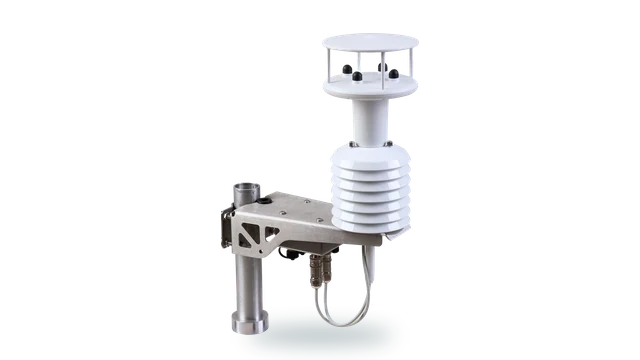
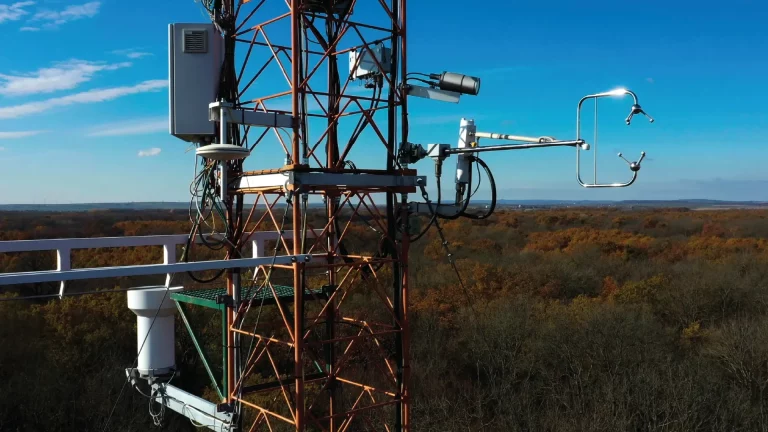
Every thermal rating method needs the same weather: wind, air temperature and solar radiation. One unit on one bracket means one cable, one output string and one thing to verify.
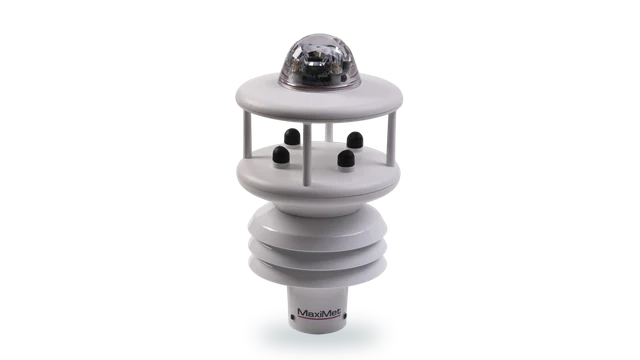
- MaxiMet GMX501 wind, temperature, humidity, pressure and solar radiation, 0.8 kg, IP66
- MaxiMet GMX551 adds rainfall, for wet conductors and icing context
- MetConnect where sensors have to sit at separate heights or third-party inputs join the same logger
Line-mounted and pole-top units
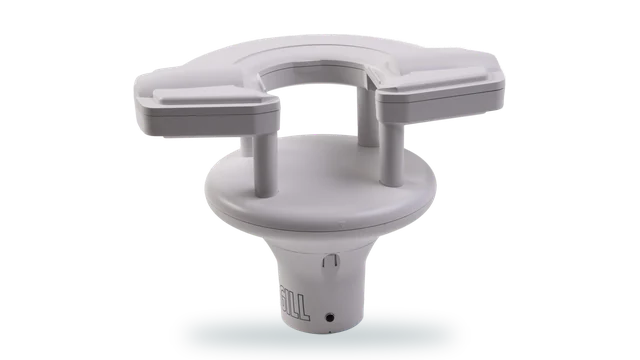
Many DLR platforms build their own line-mounted or pole-top units. Gill does not make the rating platform; it supplies wind sensing that integrators build in.
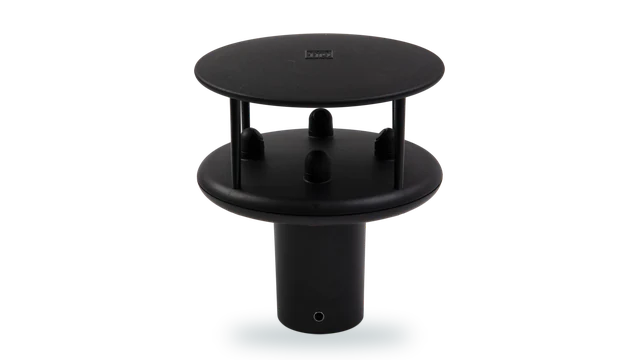
- WindUltra 270 g, IP69k, under 100 mW without heating in calm conditions
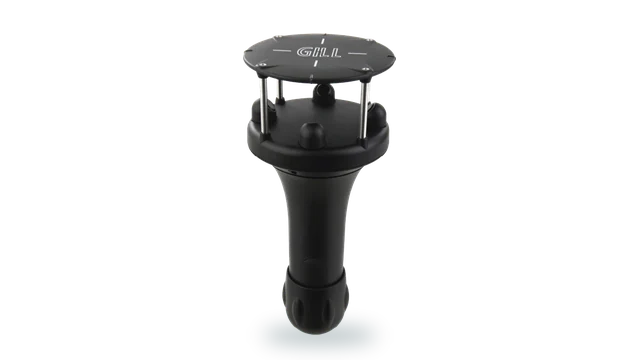
- WindSonic 60 0.5 kg, digital and analogue outputs, a status code on every output
Wind across the critical span
The span that runs hottest limits the whole circuit. It is usually the one where the wind is lightest or runs along the line, so the measurement has to hold up in near calm.
- WindSonic 60 ultrasonic, 0 to 60 m/s, 2 per cent RMSE at 12 m/s
- WindSonic 75 0 to 75 m/s where the site sees higher extremes
- WindSonic M heated hard-anodised aluminium, operating to -40 degrees C
Exposed and icing spans
Spans on ridges and coasts see the highest winds and the worst icing. A sensor that ices up stops reporting the wind at the moment the line is loaded hardest.
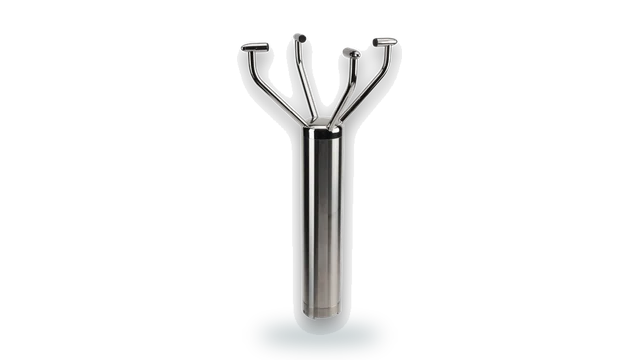
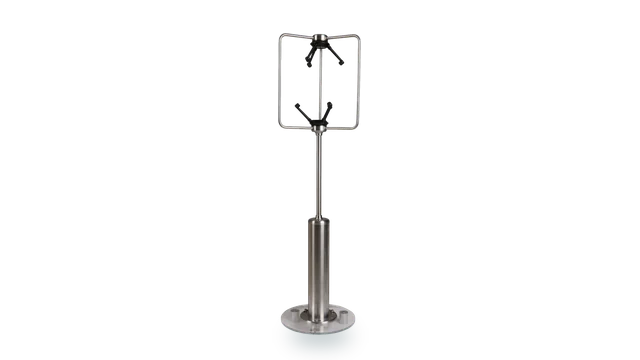
- WindObserver 75 heated 316 stainless open head, 0 to 75 m/s, IP66
- WindObserver 90 0 to 90 m/s where the extremes justify it
- WindUltra heated as standard, IP69k, for remote or unattended spans
Sheltered and complex terrain
In valleys, cuttings and at height the flow is rarely level. Where the vertical component matters, a 3-axis measurement shows what a 2-axis sensor cannot.
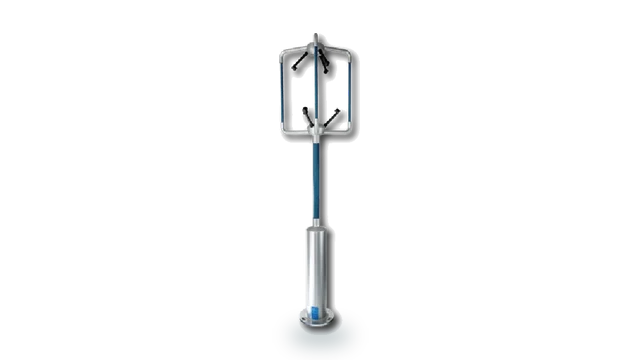
- WindMaster Pro 3-axis ultrasonic, U, V and W wind components
- WindMaster 3-axis for general-purpose flow and turbulence measurement
Substation weather
The substation that dispatches the circuit is often the easiest place to power and network a reference station, and a place where rainfall and temperature help explain the ratings afterwards.
- MetConnect each sensor sited where the standard needs it, with third-party inputs
- TruMet PW100 infrared optical rain gauge, no moving parts
- MaxiMet GMX551 wind, temperature, humidity, pressure, solar and rainfall in one unit
Line crew platforms: position and fuel
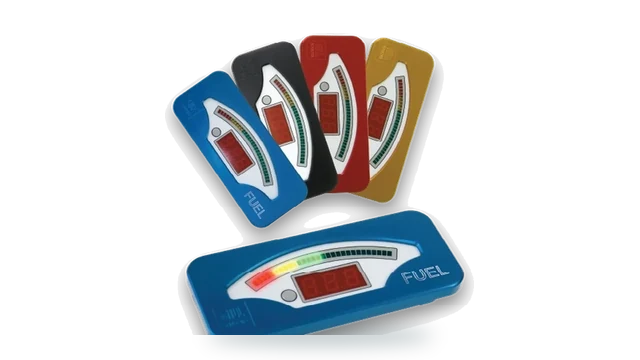
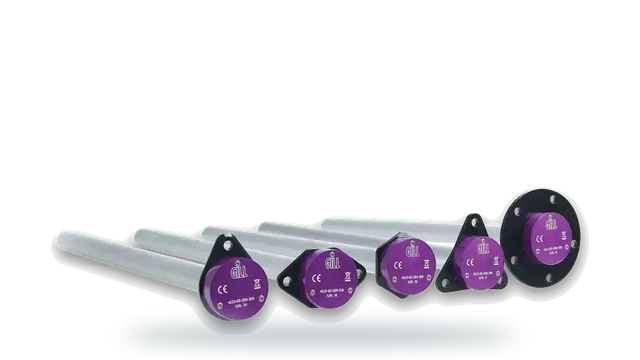
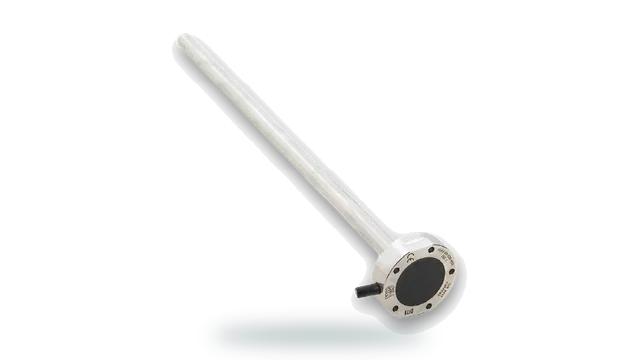
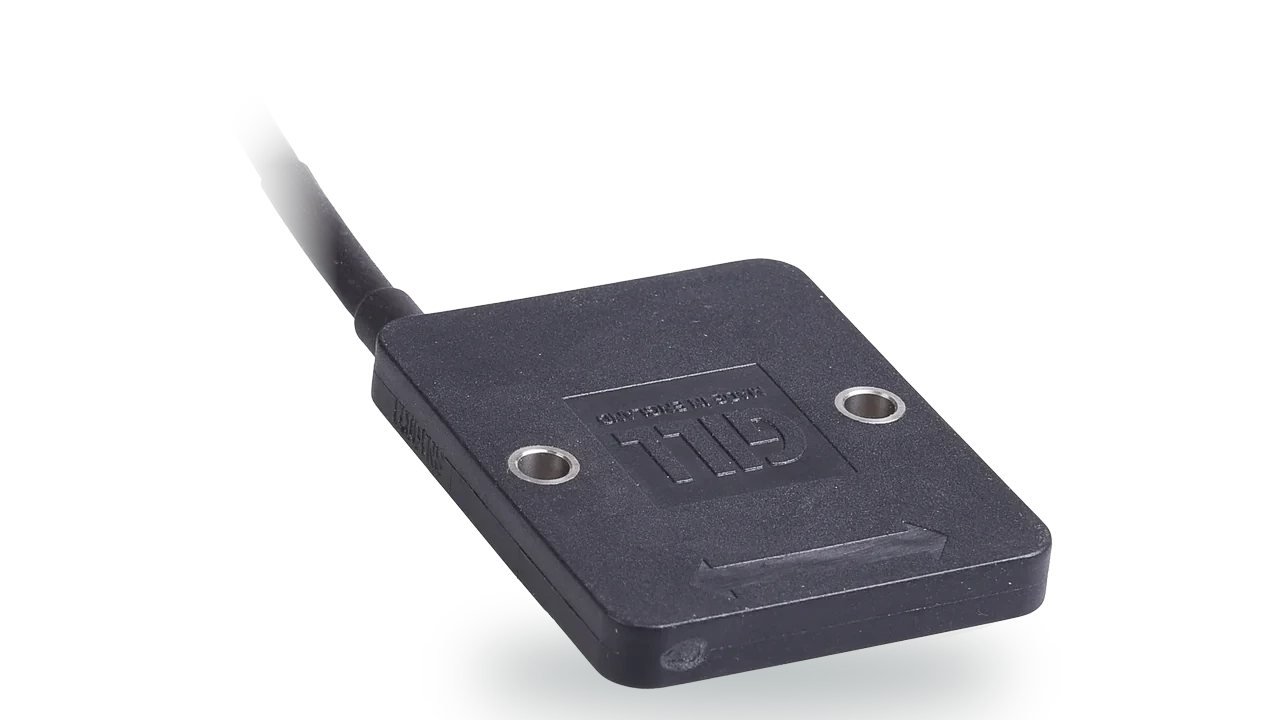
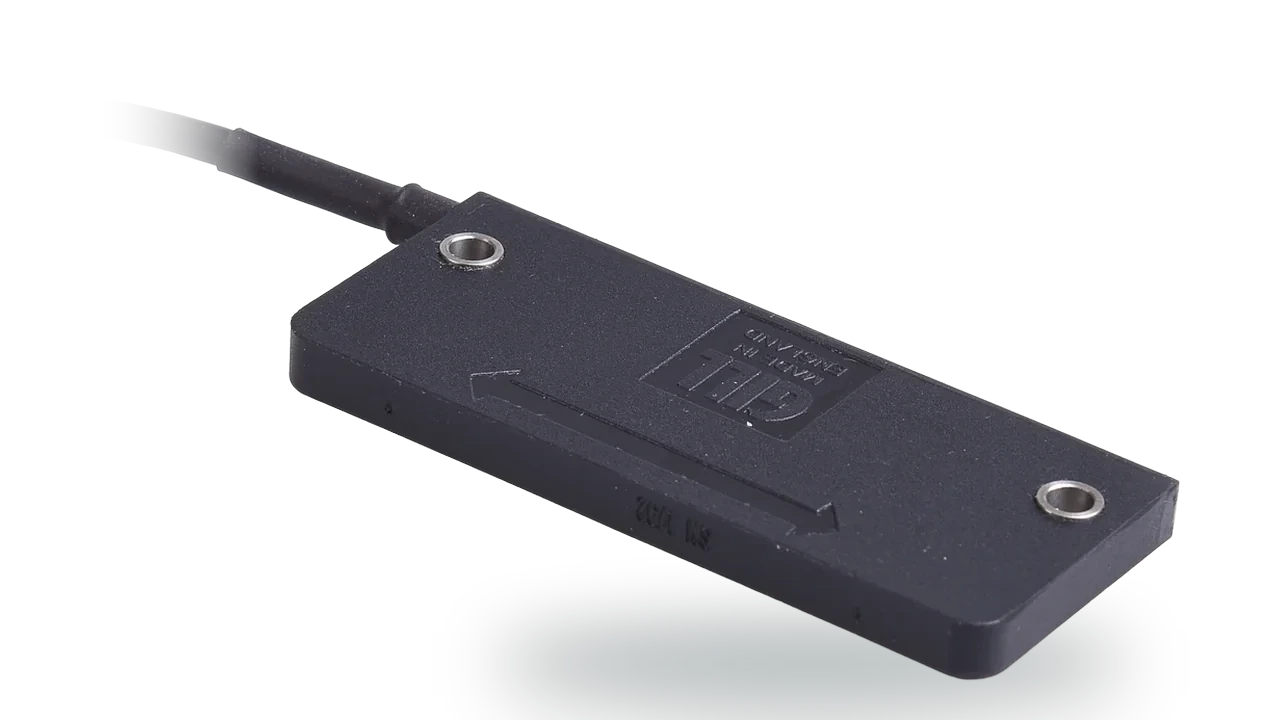
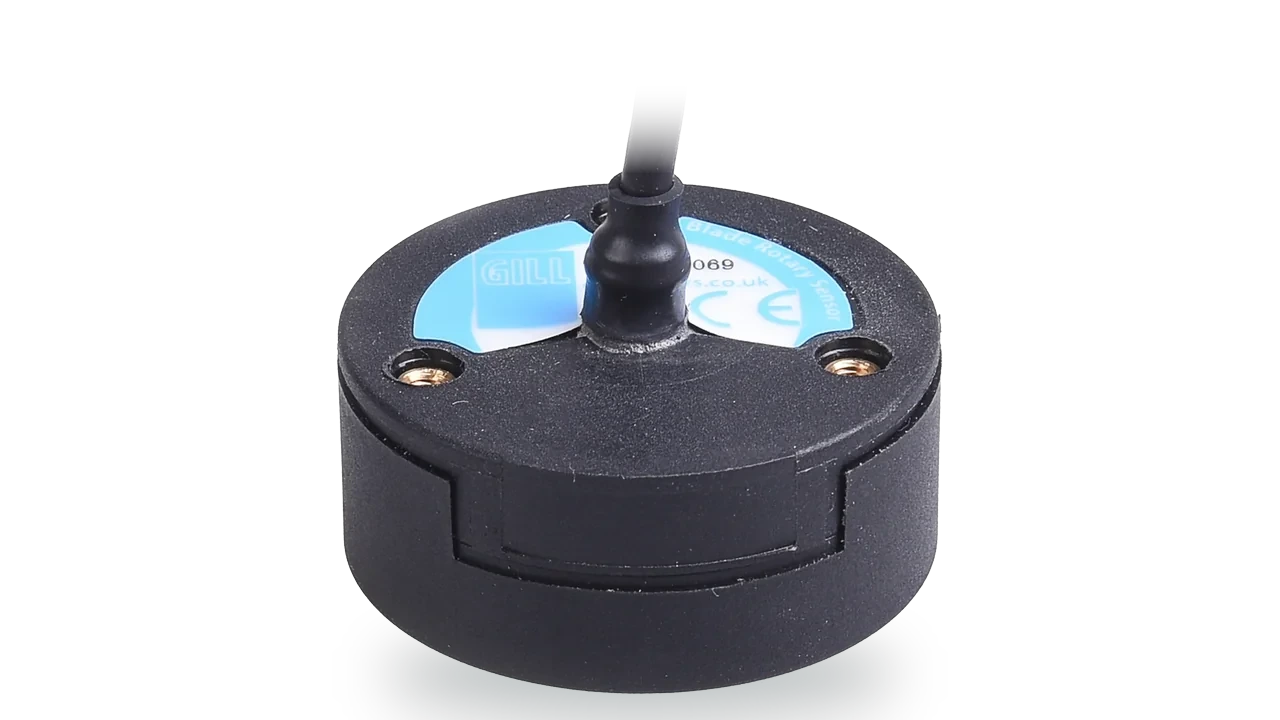
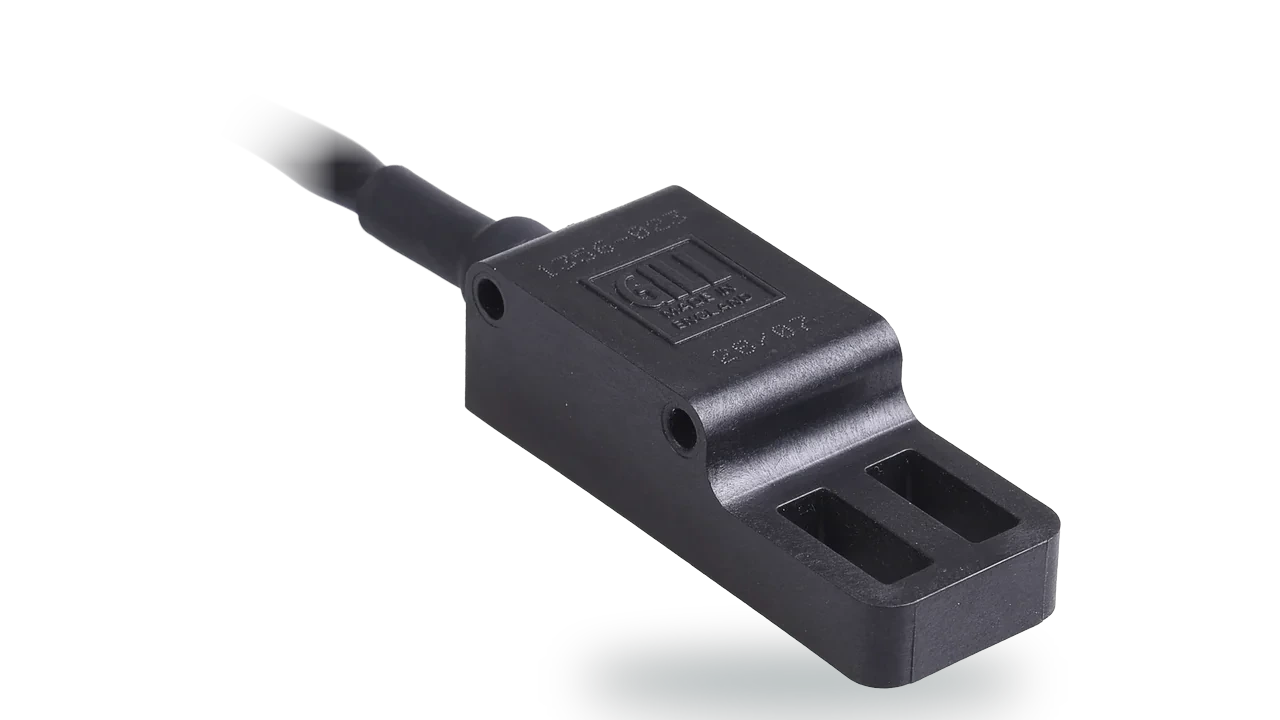
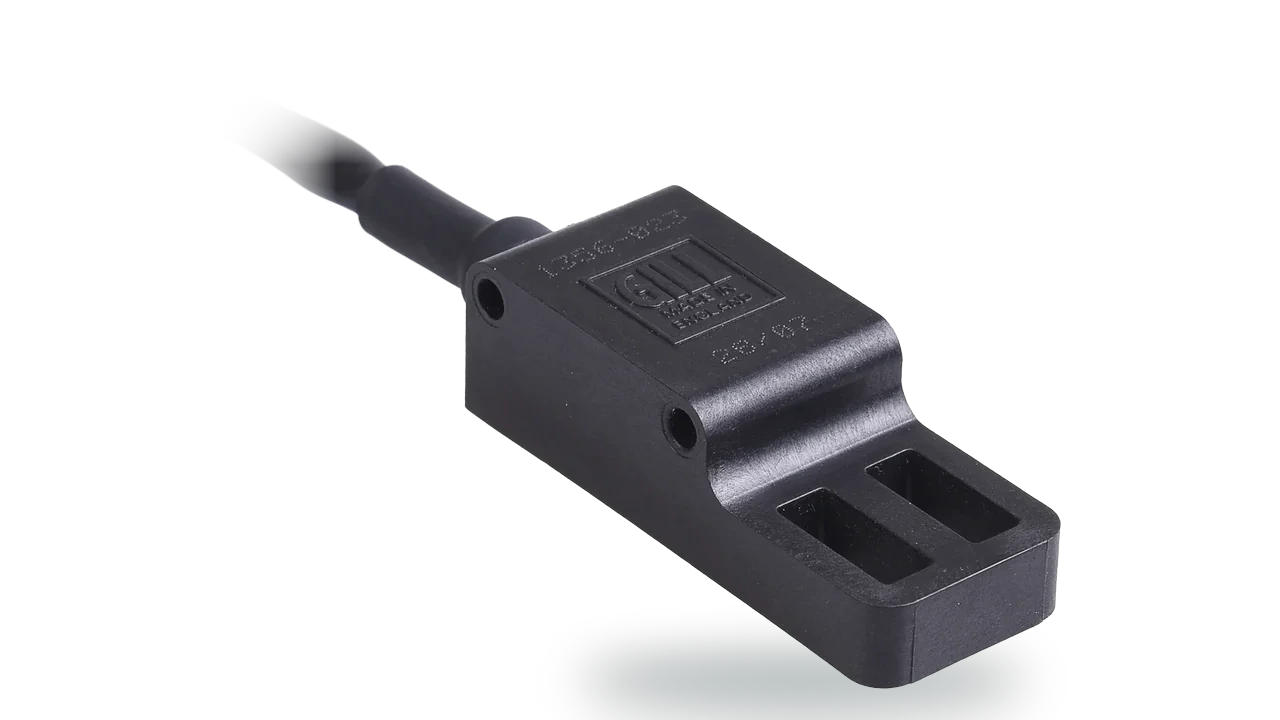
Line work happens from aerial platforms and service vehicles. Non-contact position sensors give long-life feedback from booms and outriggers, and capacitive level sensors report fuel with no float to stick.
Anemometer calibration
The wind number behind a rating is only defensible if the instrument can be verified. Labcal calibrates anemometers and air velocity instruments from any manufacturer.
- UKAS air velocity calibration anemometers and air velocity instruments, traceable to national standards
- Labcal, UKAS Lab 0625 ISO/IEC 17025:2017, for instruments from any manufacturer
A wind sensor on a tower should not need a climb
Every visit to a tower or a live substation costs an outage window, a crew and a permit. Gill ultrasonic sensors have no cups, vanes or bearings to wear or seize, report an instrumentation status code with every output and come in heated versions for icing climates. Gill wind sensors have been fitted to transmission towers in Australia, Northern Ireland, Uruguay and South Korea.
WindSonic general-purpose 2-axis wind, 2 per cent RMSE at 12 m/s. WindObserver heated 316 stainless, for the most exposed spans. MaxiMet wind, temperature, humidity, pressure and solar radiation in one unit.
Questions about weather measurement for power networks
Grid operators use air temperature, wind speed, wind direction and solar radiation to rate overhead lines, because these decide how quickly a conductor heats and cools. Static ratings assume fixed worst-case values. Ambient-adjusted and dynamic line ratings use measured or forecast values, and dynamic line rating places the measurement at the spans that limit the circuit.
Dynamic line rating sets the safe current limit of an overhead line from the conditions it is actually in, rather than fixed worst-case assumptions. Because wind and cool air remove heat from the conductor, a dynamic rating is usually higher than a static one. The rating is calculated by a DLR platform from weather and line measurements, often combined with forecasts.
Overhead lines need wind measurement for two reasons. Wind cools the conductor, which sets how much current it can safely carry, and strong wind loads the conductor and towers, which matters for storm response and maintenance planning. Measuring wind at exposed towers and spans gives operators both the cooling and the loading picture.
No. Gill does not make dynamic line rating platforms or calculate ratings. Gill supplies the weather measurement those platforms depend on, ultrasonic wind sensors and compact weather stations with standard outputs, and wind sensing for integrators building their own line-mounted or pole-top units.
Labcal, an independent UKAS-accredited laboratory (Lab 0625) within Gill Group, calibrates anemometers and air velocity instruments, temperature and humidity instruments from any manufacturer. That covers the wind sensors behind line ratings and the humidity and temperature instruments used to protect substation equipment.
Measuring the weather on a power network?
Tell us about the lines, the substations and any DLR platform involved. We will tell you plainly what we would measure, where, and with which output.
We aim to respond in one working day.