





Weather from the yard, not the airport
When a breaker alarms, a DC ground appears after rain or one yard takes storm damage the next one missed, the answer starts with what the weather did at that site. Gill measures it there, with nothing to service on an unmanned yard.
Right weather.
Wrong place.
Most reference weather stations were built for other jobs. In the United States, the National Weather Service describes its roughly 950 ASOS stations as primarily located at airports. The reading is accurate for the runway. It is not a reading for a substation in a valley twenty miles away, behind a ridge or beside a large structure.
Faults happen at one place. Flashovers, DC grounds and storm damage happen at one yard, one structure, one span. Weather changes over short distances, so a regional observation rarely explains what one asset went through.
A local record lines up with your own logs. Measured at the site, the weather sits on the same timeline as relay events, alarms and outage records. Keep the forecast for planning, and add the local record for the questions it cannot answer.
One set of observations answers different questions for different teams
Wind, temperature, humidity, dew point, rainfall and solar radiation from one site are useful well beyond one department, and once a reliable local record exists, new uses keep turning up.
Engineering: get to the cause. If DC ground-fault readings move after rain, lining up a local rainfall record with the fault history points to where water is getting in, a trench, a junction box or an outdoor cabinet, and turns a yard-wide search into a shortlist. The engineer still confirms the cause.
Engineering: a leak, or a sunny afternoon? Pressure in gas-insulated equipment moves with gas temperature, which follows ambient temperature and sunshine on the enclosure. Local temperature and solar data shows whether a worrying pressure trend is real change or just a hot week. Correction methods and alarm thresholds stay with the equipment manufacturer’s guidance.
Asset management and operations. Compare ratings with actual loading to read asset health, put inspection findings in context, and see what a storm is doing at each site as it happens.
Put the sensor where the question is
Every measurement point starts with an asset and a decision. Not every site needs every parameter: buy what the question needs, and nothing it does not.
Yard reference station
For the general conditions at the site, good exposure matters: away from buildings and large equipment that distort the wind, shade the sensor or radiate heat.
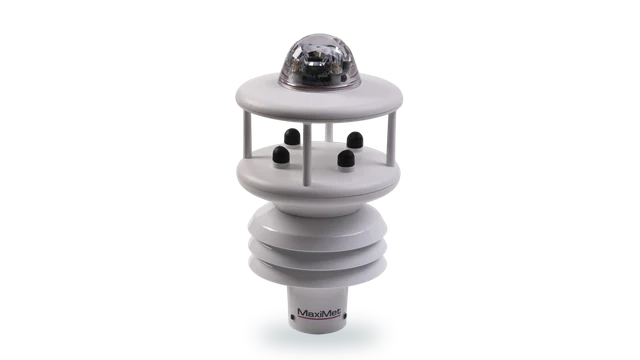
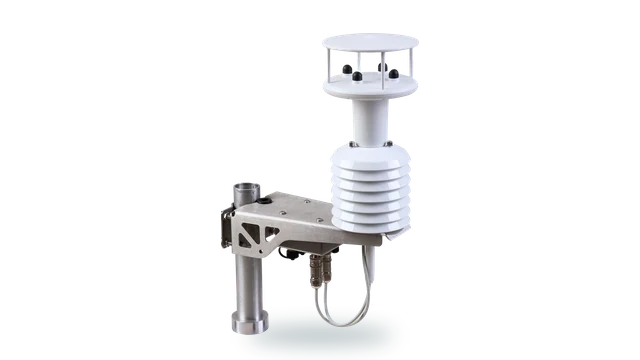
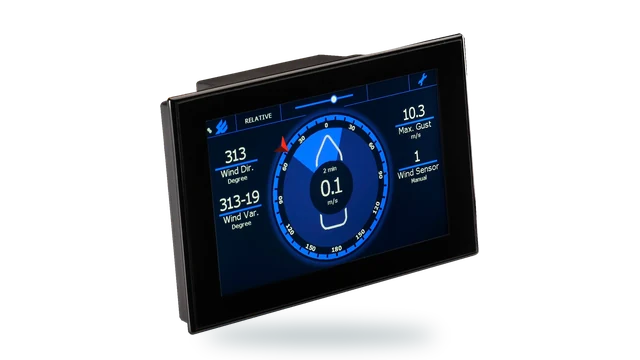
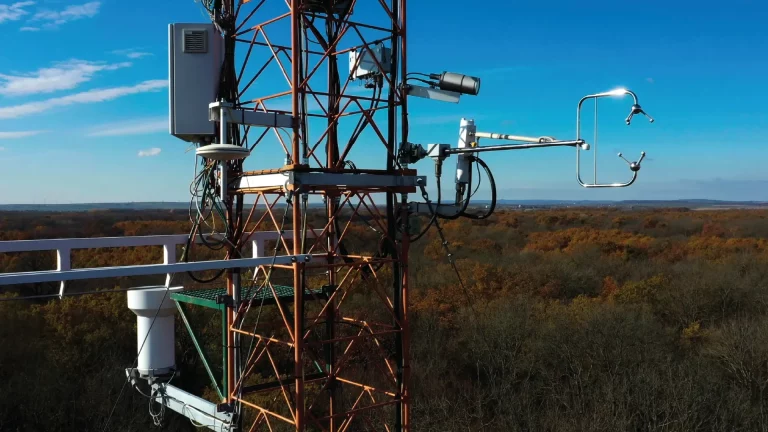
- MaxiMet GMX603 wind, temperature, humidity, pressure and TruMet optical rainfall from one mounting point
- MaxiMet GMX501 swaps rainfall for solar radiation
- MetConnect where the temperature screen and anemometer must sit at different heights
Near gas-insulated equipment
Ambient temperature and solar loading on the enclosure explain much of a gas pressure trend. Measure them where the equipment is.
- MaxiMet GMX501 temperature, humidity, pressure, wind and solar radiation in one unit
- MaxiMet GMX301 temperature, humidity, pressure and solar radiation without wind
DC cable routes
If the question is water getting into DC circuits, rainfall needs measuring at the yard. An optical gauge has no funnel to block and no bucket to level.
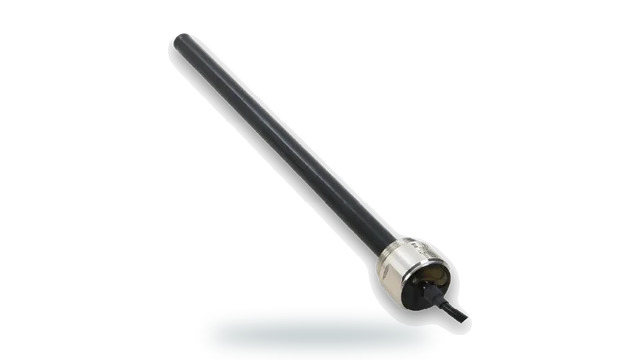
- TruMet PW100 optical rainfall, 0.1 mm pulse into an existing logger input, no moving parts
Line exits and gantries
If the question is wind on structures or conductors, measure at their height, not at the 10 m meteorological standard.
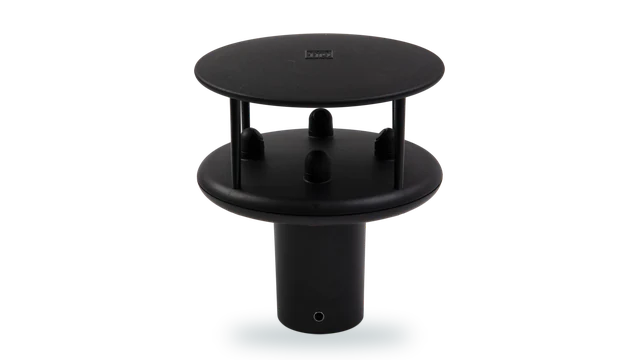
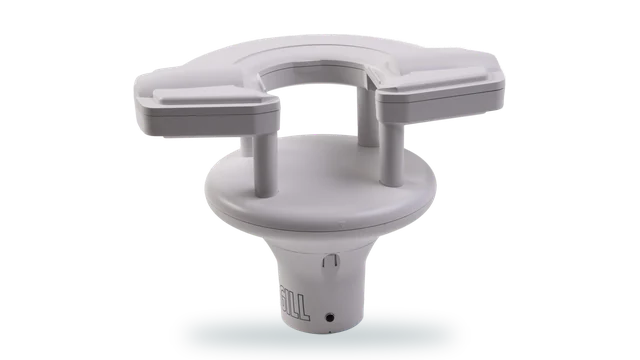
- WindSonic 75 wind to 75 m/s, accuracy published across the full range
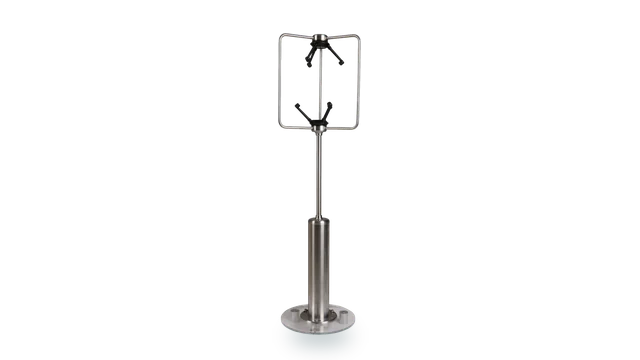
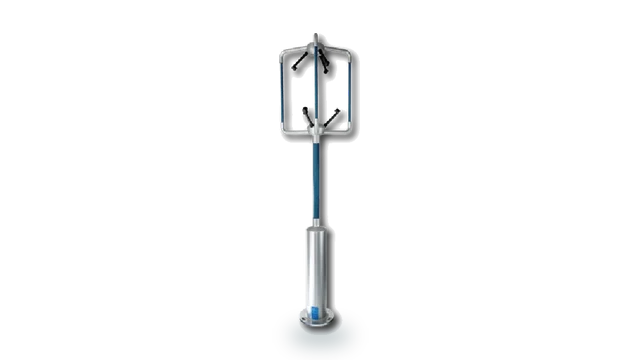
- WindUltra heated as standard, IP69k, native Modbus RTU, where icing is a risk
Into SCADA
Modbus RTU over 2-wire RS485 is the easiest route into an RTU, PLC or SCADA. At a substation, the usual practice is to terminate RS485 at a substation-rated device server in a local kiosk and take fibre to the control building.
- MaxiMet native Modbus RTU on all fourteen models, plus SDI-12 and NMEA 0183
- WindSonic 60 Option 5 Modbus RTU over 2-wire RS485, specified at order
Crane and work-at-height limits
Lifting, switching and work at height all have wind limits. Wind measured at the working point answers the question better than a forecast for the county.
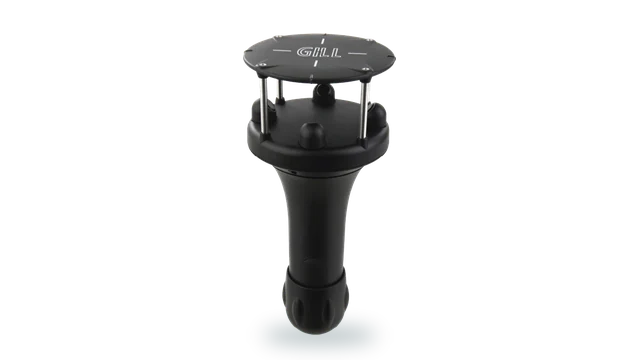
- WindSonic 60 compact 2-axis wind, 0.5 kg, IP66
- WindSonic M hard-anodised aluminium with optional heating
Calibration for the control building
Control buildings and relay rooms are kept within temperature and humidity limits to protect electronics. Labcal calibrates the hygrometers, thermometers and loggers that prove it.
- UKAS humidity calibration hygrometers, transmitters and loggers from any manufacturer
- UKAS temperature calibration probes, indicators and loggers
- UKAS air velocity calibration anemometers, including the wind sensors on the yard
What a conventional weather station really costs
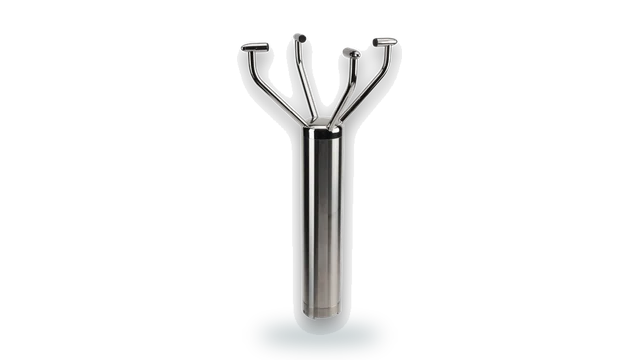
A conventional station is seven instruments: a cup anemometer, a wind vane, a pyranometer, a radiation shield with its own probe, a barometer, a tipping-bucket gauge and a datalogger to tie them together. That is seven mounting points, seven cable runs and twenty or more signal cores to marshal, a datalogger to scale every channel before SCADA sees a number, and seven calibration cycles on seven dates.
MaxiMet puts the same measurements in one housing, on one cable, with one SCADA point configuration and one calibration certificate. Fourteen models share the same housing, cable, protocol and mounting, so changing the parameter set does not change the installation design. The saving is rarely the sensor price. It is the cable runs you do not pull and the calibrations you do not manage, on an asset that will run for decades.
MaxiMet GMX501 wind, temperature, humidity, pressure and solar radiation. MaxiMet GMX603 swaps solar for TruMet optical rainfall. Where the temperature screen has to sit at 1.5 m and the anemometer at 10 m, MetConnect separates them.
Your data, in the systems you already run
Gill sensors produce native, open outputs, so the route to SCADA is a planning exercise rather than a custom build. Where an RTU or PLC already reads Modbus, it can poll the sensor directly. Elsewhere, a protocol gateway, pulse counter or serial device server bridges to the utility network under your own IT and OT policy.
MaxiMet RS232, RS422, RS485 and SDI-12, carrying Gill ASCII, NMEA 0183 or Modbus RTU and ASCII. WindSonic 60 and 75 Modbus RTU over 2-wire RS485 as Option 5. TruMet PW100 0.1 mm per pulse, electrically the same as a tipping bucket, so it drops into an existing logger input. Up to 32 devices can share one 2-wire bus.
Use screened twisted-pair cable with the screen bonded at one end, and on a substation terminate RS485 at a substation-rated device server in a local kiosk with fibre to the control building. We help plan power, cabling and earthing, units, timestamps, averaging and data quality flags.
Native outputs, a clear path to SCADA
Plan the integrationThe cheapest visit is the one you never make
Every site visit has a price: a crew, travel, access and permits, and often an outage window. On conventional instruments the visits come from bearings that wear, vanes that seize, buckets to level and funnels to clear. Gill wind, weather and rain sensors are solid-state, with none of those parts.
As an illustration only: if one visit costs 800 dollars, avoiding a single visit per site per year across 40 substations saves 320,000 dollars over ten years Replace the inputs with your own, and our team will run the numbers with you.
Solid-state sensors still deserve sensible inspection and calibration checks. Labcal, Gill’s UKAS-accredited laboratory, recalibrates instruments of any age and from any manufacturer.
Compare the installed system and its running costs, not the box
Run the numbers with usFive questions. Better specifications.
1. What decision or problem are we addressing? “We want weather data” is not a use case. “We want to understand recurring DC grounds at three substations” is.
2. Where do we need representative measurements? Name the asset, the site and the conditions that matter.
3. Which parameters are genuinely required? Select by application, not by catalogue.
4. How will the data reach the people who need it? Interfaces, communications, integration and security, decided at the start.
5. How will we judge success over its lifetime? Data quality, usability, maintenance effort and the value of what you learn.
Bring us your answers, or just your questions
Talk to an engineerQuestions about substation weather monitoring
Most substation weather monitoring starts with wind speed and direction, air temperature, humidity, dew point and rainfall, with solar radiation added where heating effects matter, for example on gas-insulated equipment. The right set depends on the decision the data supports, so start with the operational question and select parameters to match it rather than by catalogue.
Airport and regional stations are accurate for where they are, but weather changes over short distances, terrain and structures. Faults, flashovers and storm damage happen at one specific site, so a local measurement records what that asset actually experienced and lines up with the substation’s own alarms, relay events and outage records.
Yes. If DC ground-fault readings consistently move after rain, comparing a local rainfall record with the ground-fault history points to where water is likely getting in, such as trenches, junction boxes or outdoor cabinets. It narrows the search; an engineer still confirms the cause, because condensation, temperature swings or switching can coincide with rain.
It can. Gas pressure moves with gas temperature, which follows ambient temperature and solar heating of the enclosure. Local temperature and solar radiation data helps engineers tell real pressure change from a hot, sunny spell, alongside any temperature compensation in the gas monitor. Correction methods and alarm thresholds stay with the equipment manufacturer’s guidance.
For general meteorological observations, WMO guidance places wind at 10 m over open terrain and air temperature at 1.25 to 2 m, away from obstructions. For an asset question, measure where the asset is: at structure height for wind on gantries, near gas-insulated equipment for heating effects, and at the yard for rainfall on DC cable routes.
Gill sensors provide native serial and pulse outputs. Where an RTU or PLC already reads Modbus RTU, it can poll the sensor directly over RS485; elsewhere a gateway, pulse counter or serial device server bridges to the utility network. On a substation, RS485 is normally terminated at a substation-rated device server in a local kiosk, with fibre to the control building.
Choose an all-in-one weather station such as MaxiMet when the measurements can share one well-exposed point and you want one mount, one cable and one data connection. Choose individual sensors such as WindSonic and TruMet when each measurement belongs in a different place, for example wind at structure height and rainfall at ground level. The two can be mixed on the same site.
Ultrasonic and optical sensors have no bearings, cups, vanes, buckets or funnels, so there are no moving parts to service. They still benefit from sensible inspection and periodic calibration checks. Labcal, an independent UKAS-accredited laboratory within Gill Group, calibrates air velocity, temperature and humidity instruments from any manufacturer.
Weather monitoring for a substation?
Tell us the site, the question you need answering and the systems the data has to reach. We will tell you plainly what we would measure, where, and with which output.
We aim to respond in one working day.