




Automatic weather stations From the mast to the logger
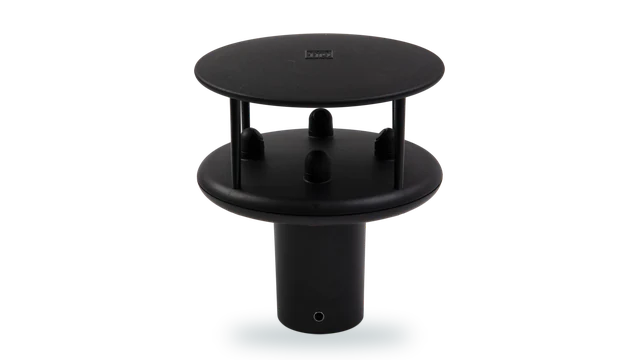
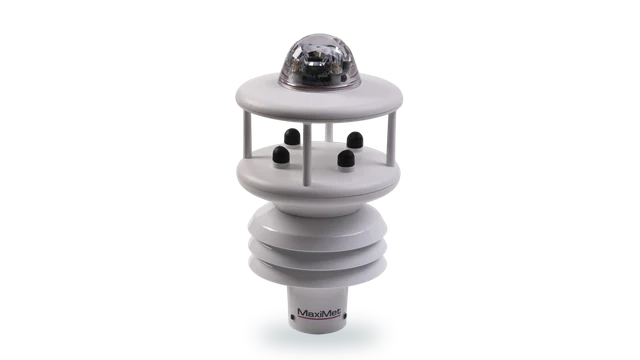
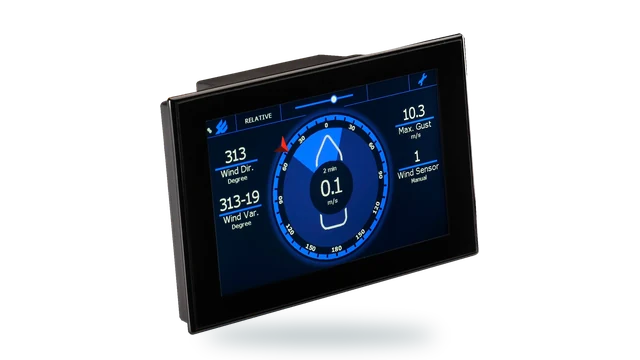
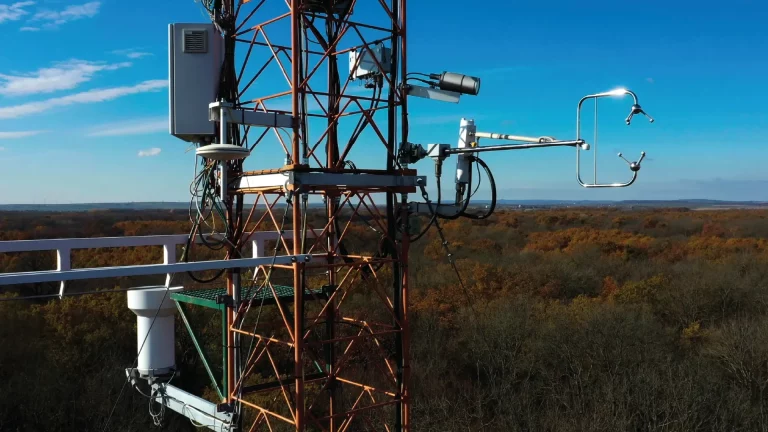
An automatic weather station is only as good as the readings at the top of the mast. Gill makes that part: the MaxiMet all-in-one weather sensor and the MetConnect sensor hub, sending clean data to the data logger, PLC or network you already run.
What goes wrong
The station that fails is the one nobody is watching
Most automatic weather stations sit on a remote mast that someone visits a few times a year. Between visits, small mechanical problems quietly turn into gaps and errors in the record. These are the usual suspects.
Bearings wear slowly
A cup anemometer loses speed as its bearings age and corrode. The data still looks plausible. It just reads low, and nobody can say since when.
Vanes stick
Ice, grit or a worn pivot can hold a wind vane in place, so the station reports the same direction for days while the weather moves on.
Gauges clog
Tipping-bucket funnels collect insects, leaves and debris. A blocked gauge reports a dry day in the middle of a storm.
Things break between visits
Animals chew cables, debris strikes the mast, trees fall, sites flood and stations get vandalised. Whatever the sensors, a routine site visit is the only way to catch it.
Too many parts to wire up
Six separate sensors means six cables, six configurations and six things to fault-find on a cold mast, often by someone who did not install them.
Some checks never go away
Temperature, relative humidity and pressure sensors all drift and need periodic calibration, whoever makes them. Every station also needs cleaning and inspection. Plan for both from day one.
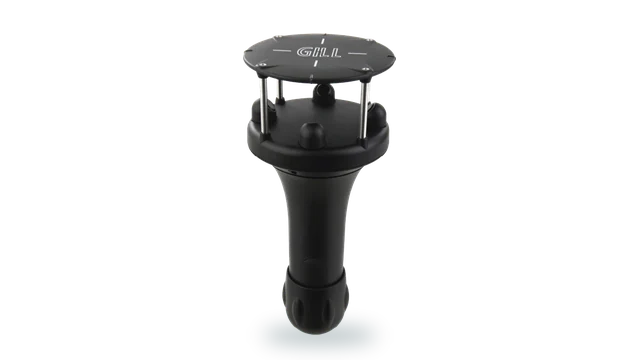
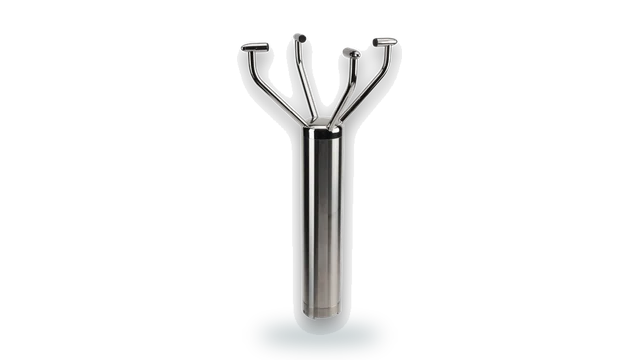
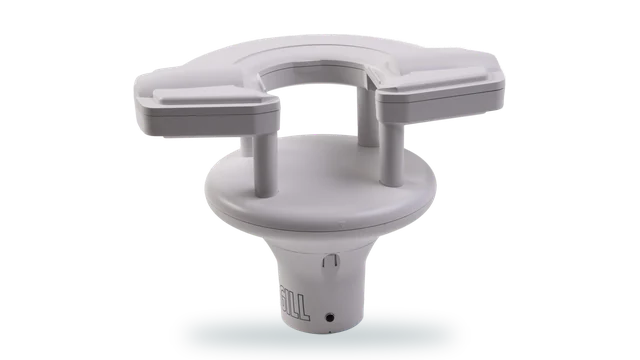
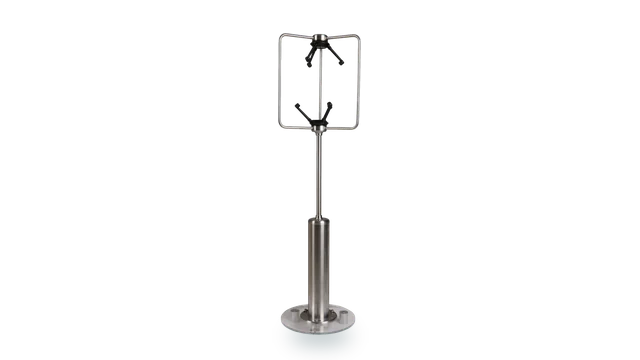
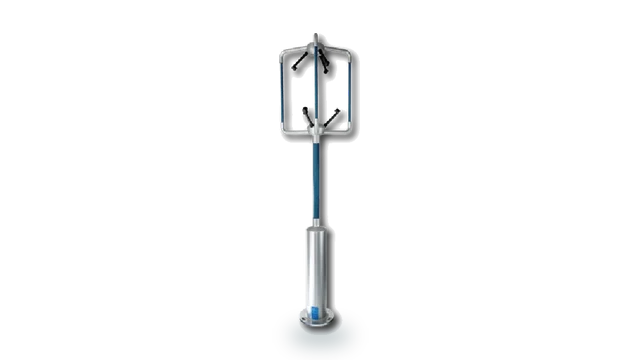
Gill sensors measure wind ultrasonically, with no bearings, cups or vane, and our optical rain gauges have no bucket to tip. That takes the first three problems off the mast. It does not take away the need to visit, check and calibrate a station, and we will not pretend it does.
Part by part
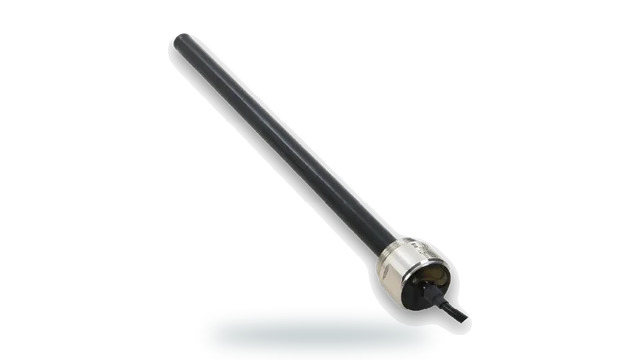
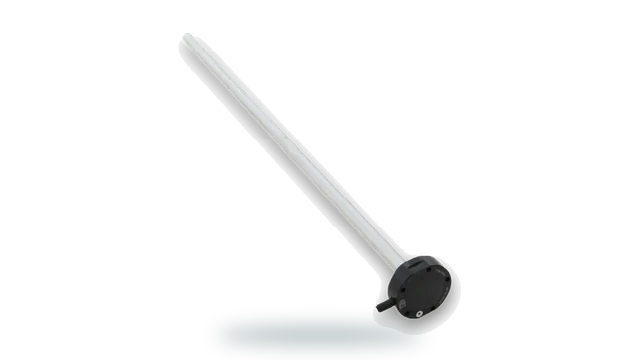
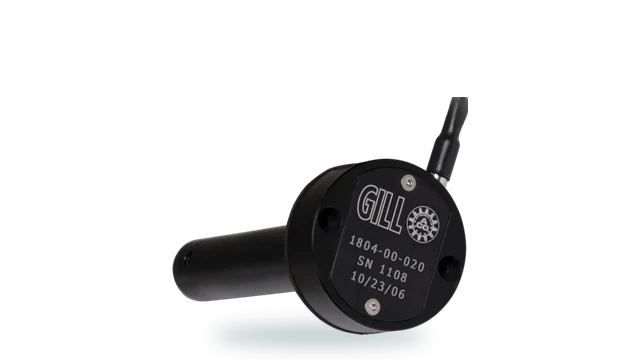
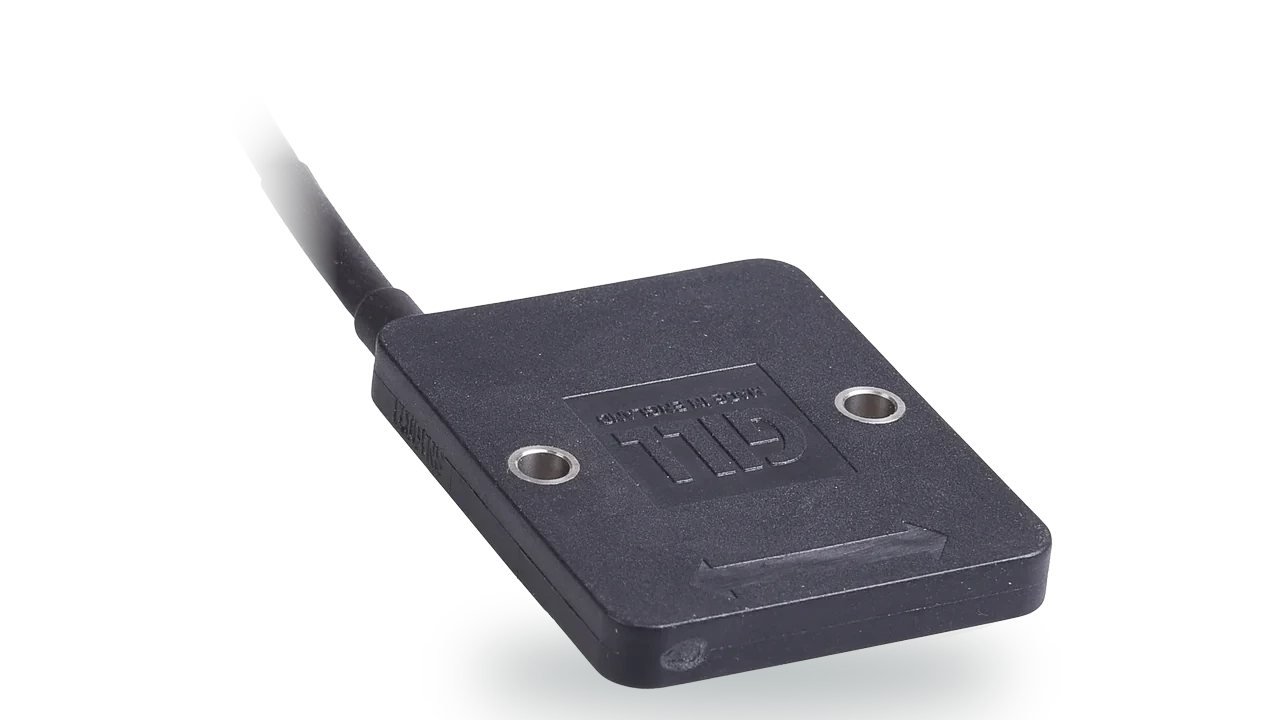
Five parts make an automatic weather station.
We make the one that measures.
Choose a part to see what it does, what to check before you specify it, and who usually supplies it.
- What it does
- Check first
- Supplied by
The sensing core
One mounting point, or every sensor at its own height
There are two ways to build the measuring part of an AWS. Which one fits depends on the standard you report to and how much hardware you want on the mast.
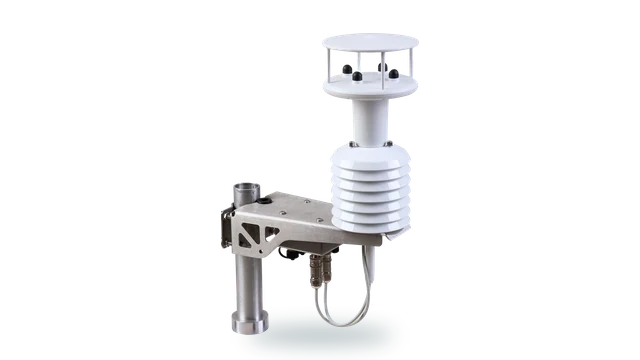
MaxiMet
- An all-in-one weather sensor: every measurement from one housing on one mast
- One cable and one output string to configure
- Fourteen models, chosen by the measurements you need
- Marine models add a 6-axis compass and IP68 for moving platforms
MetConnect
- A stainless steel sensor hub with an integrated radiation shield for the temperature and relative humidity probe, on its own pole at the recommended height for consistent readings
- A Gill anemometer, typically at 10 m, and a rain gauge, typically at 0.3 to 1.5 m, cabled into the hub
- Takes third-party analogue sensors, a Pt100 temperature probe and contact-closure inputs
- M12 connectors on every input and output
Upgrading a station
Keep the mast, the data logger and the link.
Lose the moving parts.
Check the data logger first
Check your data logger or PLC can accept the new sensor’s outputs. Each model’s outputs are on its datasheet. Expect to reprogram the data logger to read the new sensor.
Swap the sensors on the existing mast
A MaxiMet replaces the anemometer, vane and sensors at the top of the mast with one unit. A MetConnect keeps each measurement at the height it was taken before.
Set the new maintenance plan
No moving parts to fail. Keep the sensors clean and level, and follow the inspection and calibration intervals in the product manual.
Applications
Where Gill sensors work inside an AWS
Solar site monitoring
Solar radiation, wind and temperature measured beside the array, feeding the plant’s performance model.
Solar sites →Airport weather systems
Wind and weather for AWOS installations, where siting and formal requirements shape the station.
Airports →Reference and long-term records
MetConnect where sensors need separating by height and the record has to hold up for decades.
Reference monitoring →Field campaigns
A portable automatic weather station, light on power and quick to set up, that has to work first time in the field.
Field campaigns →Met-ocean and coastal
MaxiMet Marine on buoys and coastal masts, with a 6-axis compass for a platform that never stays still.
Met-ocean →Substations and grid assets
Site weather that tells operators when wind, heat or ice will change how an asset can be run.
Substations →Questions
Frequently asked questions
What is an automatic weather station?
An automatic weather station (AWS) is a weather station that needs no observer. It measures conditions such as wind speed and direction, air temperature, relative humidity, pressure, precipitation and solar radiation, and reports them continuously to a data logger, control system or network. Gill makes the measurement core of an AWS: the MaxiMet all-in-one weather sensor and the MetConnect sensor hub.
Is an automatic weather station the same as an automated weather station?
Yes. Both names describe a station that measures and reports the weather without anyone reading an instrument. Automatic is the usual term in the UK and in WMO guidance, while automated is common in North America. AWS covers both, and the equipment and the standards behind it are the same.
Does Gill supply complete automatic weather stations?
Gill supplies the sensors that take the measurements and output the data. The data logger, communications, power and mast are chosen to suit the site, by you or your integrator. Our engineers can advise on how a MaxiMet or MetConnect fits the system you are building or upgrading.
MaxiMet or MetConnect: which should I use in an automatic weather station?
Use a MaxiMet all-in-one weather sensor when you want every measurement from one compact unit on one cable and one mounting point. Use a MetConnect sensor hub when the sensors need to sit at different heights, for example to follow WMO No. 8 siting recommendations, or when the station needs to take third-party analogue sensors or a Pt100 temperature probe.
Can an automatic weather station run at a remote site?
Yes. Many automatic weather stations run unattended on a solar panel and battery and send their data over a cellular or satellite link. Gill sensors have no moving parts to wear out between visits, which suits sites that are reached rarely. Plan the power budget for the site, including heating where it is fitted.
Can I upgrade an existing automatic weather station with Gill sensors?
Yes, where the existing data logger can accept the Gill sensor’s outputs. Replacing cup anemometers, vanes and tipping buckets with a MaxiMet or MetConnect removes the moving parts while the data logger, communications and mast stay in place. Expect to reprogram the data logger to read the new sensor.
How much maintenance do Gill weather sensors need?
Less than a station with cups, vanes and tipping buckets, because there are no moving parts to fail. Gill sensors still need to be kept clean, level and inspected, and their temperature, relative humidity and pressure sensors calibrated at the intervals set out in the product manual, like any automatic weather station.
How high should the rain gauge be on an automatic weather station?
Typically between 0.3 m and 1.5 m, with the rim level. Keep the gauge as close to the ground as is practical: higher up, wind turbulence across the opening makes it undercount. Too low, and heavy rain splashing off the surrounding ground lands in the gauge and makes it overcount.
Why replace a tipping-bucket rain gauge?
A tipping bucket relies on a moving mechanism. Over time it can drift out of calibration, its pivot can wear or stick, heavy rain can cause bounces and double counts, readings lag behind the rain, and debris can clog the funnel. An optical rain gauge such as the TruMet PW100 has no moving parts to fail, though it still needs to be kept clean and level.
Have an application to discuss?
Talk to an engineer
Tell us what you need to measure, where and under what conditions. We’ll help you work out the appropriate approach.
- Our team replies. Not an account manager, and not a queue.
- Monday to Friday. We aim to respond in one working day.
- No obligation. Just honest advice on whether Gill is the right fit.